




What are the best methods for long-term storage of homegrown root vegetables?

Harvesting a bountiful crop of root vegetables is one of the most satisfying achievements for any home gardener. But the joy can quickly turn to dismay if those hard-won carrots, potatoes, beets, and parsnips spoil before you can enjoy them. Fortunately, with the right techniques, many root vegetables can be stored for months, providing fresh produce well into winter and beyond. This article will explore the most effective methods for long-term storage, helping you maximize your harvest.
Preparing Your Harvest for Storage
Before any long-term storage method can be applied, proper harvesting and initial preparation are crucial. Most root vegetables intended for storage should be harvested when mature, but before the ground freezes. Gently dig them up, taking care not to bruise or cut the roots, as any damage can lead to spoilage.
- Do Not Wash: For most root vegetables, resist the urge to wash off the soil. A thin layer of dirt can actually protect the roots. Simply brush off any large clumps of soil.
- Curing (for some): Potatoes, sweet potatoes, and winter squash benefit from a curing period. For potatoes and sweet potatoes, this means keeping them in a warm, humid environment (around 60-70°F/15-21°C with high humidity) for 1-2 weeks. This allows their skins to toughen, healing minor scrapes and improving storage life.
- Remove Greens: Trim the green tops off vegetables like carrots, beets, and parsnips immediately after harvesting, leaving about an inch of stem. The greens draw moisture from the roots, leading to wilting.
- Inspect Thoroughly: Only store perfect, unblemished vegetables. Any damaged, diseased, or bruised roots should be used immediately or composted, as they can quickly spoil an entire batch.
The Root Cellar Method: Cold, Dark, and Humid
Historically, root cellars were the gold standard for preserving hardy vegetables, and for good reason. They provide the ideal cool, dark, and humid conditions that many root vegetables thrive in. If you don’t have a dedicated root cellar, you can often mimic these conditions in an unheated basement, garage, or even a buried container.
Ideal Conditions:
- Temperature: Between 35-45°F (1-7°C).
- Humidity: High (85-95% is ideal for most root crops).
- Darkness: Essential to prevent sprouting and maintain quality.
- Ventilation: Good air circulation prevents the build-up of ethylene gas, which can accelerate ripening and spoilage.
Specifics for Root Cellar Storage:
Place vegetables in bins, crates, or even sturdy cardboard boxes. For vegetables that prefer high humidity (carrots, beets, parsnips, turnips), layer them in damp sand, sawdust, or peat moss. This prevents moisture loss and keeps them crisp. Potatoes, on the other hand, prefer slightly drier conditions and good air circulation; store them in breathable sacks or open crates.
Burying for Freshness
For those without a cellar, an old-fashioned method involves burying root vegetables directly in the garden. This method works well for carrots, parsnips, and even some hardy beets.

Dig a trench or pit about 18-24 inches deep in a well-drained spot. Line the bottom with straw or leaves. Place your unwashed root vegetables in the pit, layering them with more straw, sand, or peat moss. Cover with soil, then add a thick layer of straw, leaves, or even an old carpet to insulate against deep freezes. Mark the spot so you can find your treasures later! This method keeps vegetables at a consistent cool temperature and high humidity.
Freezing Root Vegetables
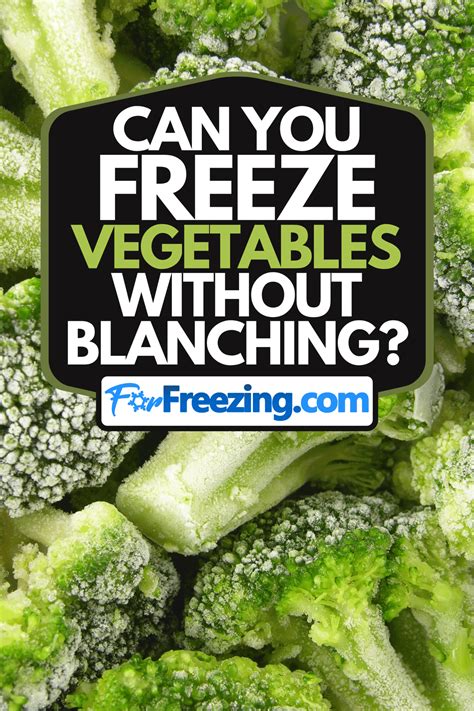
Freezing is an excellent long-term option for many root vegetables, particularly if you have limited cool storage space. While most root vegetables can be frozen, they generally require blanching first to preserve their texture, flavor, and nutritional value.
Steps for Freezing:
- Wash and Peel: Thoroughly clean and peel vegetables like carrots, beets, and parsnips.
- Chop: Cut them into desired sizes (slices, cubes, or small pieces).
- Blanch: Boil water and immerse the vegetables for a specific time (usually 2-5 minutes, depending on the vegetable and size). This stops enzyme action. Immediately transfer to an ice bath to stop cooking.
- Drain and Dry: Ensure vegetables are completely dry before freezing.
- Flash Freeze: Spread the blanched vegetables in a single layer on a baking sheet and freeze until solid. This prevents them from clumping together.
- Package: Transfer the frozen vegetables to freezer-safe bags or containers, removing as much air as possible. Label with the date.
Frozen root vegetables can last for 8-12 months.
Dehydrating for Long-Term Storage
Dehydration is another effective method, significantly reducing the volume and weight of your harvest. Dried root vegetables are lightweight and shelf-stable, making them great for emergency preparedness or camping.
Steps for Dehydrating:
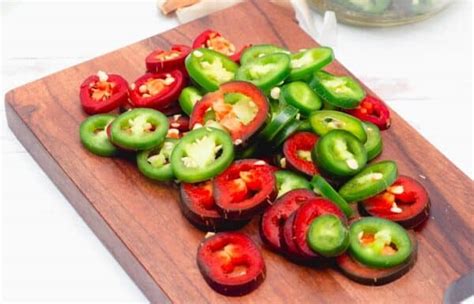
- Prepare: Wash, peel, and slice vegetables thinly and uniformly (about 1/8 to 1/4 inch thick). Blanching is recommended for most root vegetables before dehydrating to help with color and rehydration.
- Arrange: Place slices in a single layer on dehydrator trays.
- Dehydrate: Follow your dehydrator’s instructions for temperature and time, typically 120-140°F (49-60°C) for several hours until brittle.
- Condition: Once dried, allow vegetables to cool completely. Then, place them in airtight containers for a few days, shaking daily, to ensure any residual moisture equalizes.
- Store: Store dried vegetables in airtight containers in a cool, dark place.
General Tips for Successful Storage
- Regular Inspection: Check your stored vegetables periodically (monthly is good). Remove any that show signs of spoilage immediately to prevent it from spreading.
- Proper Spacing: Don’t overcrowd vegetables, especially in a root cellar or bins. Good airflow is key.
- Separate Species: Store potatoes away from other vegetables, especially onions, as they release gases that can accelerate spoilage in nearby produce.
- Use Oldest First: Implement a ‘first in, first out’ system to ensure you’re consuming the oldest stored vegetables first.
With careful planning and execution, your homegrown root vegetables can provide delicious, nutritious sustenance throughout the colder months, reducing food waste and extending the bounty of your garden. Experiment with these methods to find what works best for your specific vegetables and storage conditions.