What are the best methods to preserve peak summer garden bounty naturally?

Savoring Summer’s Abundance: Natural Preservation Techniques
There’s an unparalleled joy in harvesting the first fruits and vegetables of summer from your garden. The vibrant colors, the rich aromas, and the unbeatable freshness make all the hard work worthwhile. However, this peak season often brings a bounty so abundant that it’s challenging to consume it all before it spoils. Instead of letting your hard-earned produce go to waste, consider natural preservation methods that allow you to enjoy the taste of summer long after the season ends. These techniques not only extend the shelf life of your harvest but also lock in nutrients and flavor without the need for artificial additives.
Freezing: Locking in Freshness
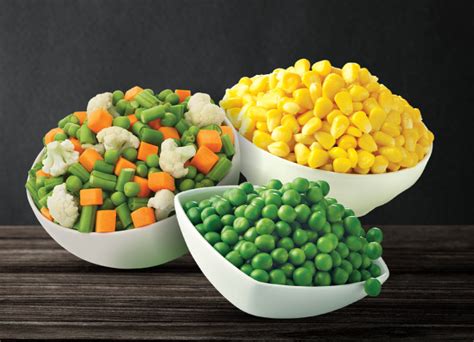
Freezing is arguably one of the simplest and most effective ways to preserve a wide variety of garden produce. It requires minimal equipment and retains much of the flavor, texture, and nutritional value of fresh ingredients. For most vegetables, a quick blanching process (briefly boiling and then plunging into ice water) is essential before freezing. This stops enzyme action that can lead to color and flavor degradation over time. Think blanched green beans, corn kernels, broccoli florets, and spinach ready for winter soups and stir-fries. Fruits, on the other hand, often freeze well without any pre-treatment. Berries, sliced peaches, and cherries can be spread in a single layer on a baking sheet to freeze individually before transferring to freezer bags, preventing them from clumping together.
Drying: Concentrating Flavor
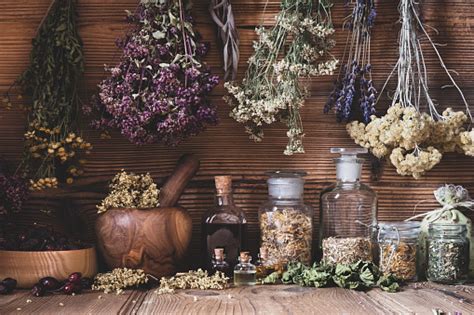
Drying is an ancient preservation method that removes moisture, inhibiting microbial growth and concentrating the natural flavors of your produce. It’s fantastic for herbs, creating potent dried versions that are perfect for seasoning. Think about drying basil, oregano, thyme, and mint. Fruits like apples, berries, and sliced peaches also make delicious dried snacks. Tomatoes, especially cherry or Roma varieties, become intensely flavorful sun-dried tomatoes when dried. You can use a food dehydrator for consistent results, air-dry in a well-ventilated area, or even use a low oven setting. The key is to ensure all moisture is removed to prevent spoilage.
Canning: The Timeless Tradition
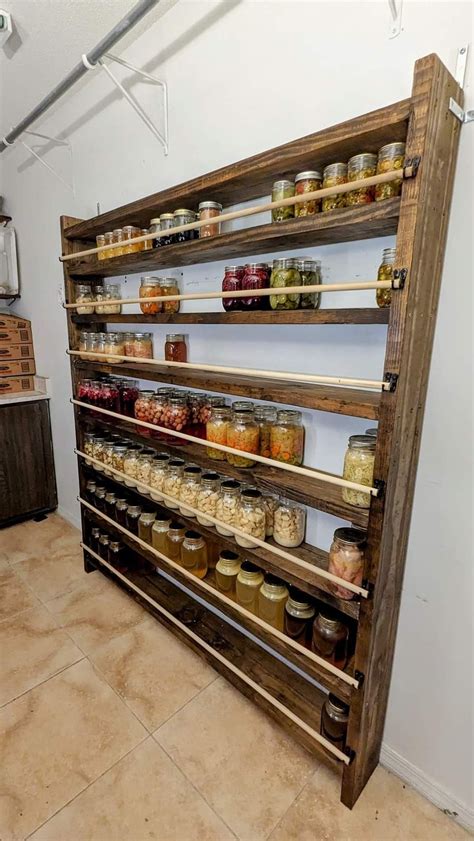
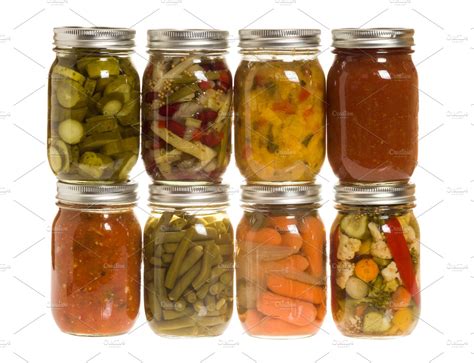
Canning involves sealing food in jars and heating them to a temperature that destroys spoilage organisms and creates a vacuum seal. This method is ideal for creating shelf-stable goods like jams, jellies, pickles, and sauces. For high-acid foods such as most fruits, fruit butters, and vinegared pickles, a water bath canner is sufficient. Think homemade strawberry jam, dill pickles, or tomato sauce. Low-acid foods, like green beans or corn, require a pressure canner to reach higher temperatures for safe preservation. Always follow tested recipes from reliable sources to ensure food safety when canning.
Fermentation: Cultivating Gut Health and Flavor
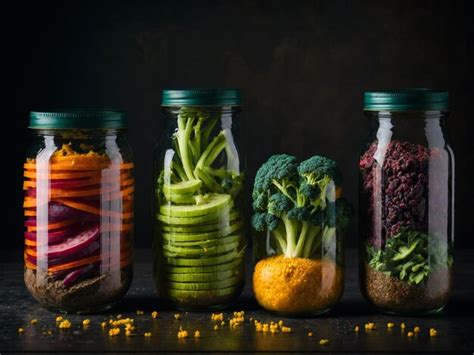
Fermentation is a living preservation method that uses beneficial microorganisms to transform fresh produce into probiotic-rich, flavorful foods. This process not only preserves but also enhances the nutritional value and creates unique tastes. Sauerkraut from cabbage, kimchi from various vegetables, and lacto-fermented pickles from cucumbers are prime examples. The basic process involves submerging vegetables in a salt brine, which encourages beneficial bacteria to thrive while inhibiting spoilage organisms. Fermented foods are a fantastic way to add complex flavors and support gut health.
Root Cellaring & Cool Storage: Simple Solutions
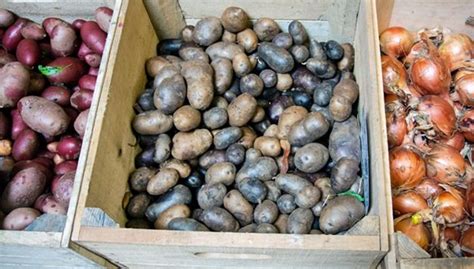
For certain types of produce, simply storing them in cool, dark, and appropriately humid conditions can extend their life for months. This method, often called root cellaring, doesn’t require electricity or special equipment beyond a suitable storage space. Root vegetables like potatoes, carrots, beets, and parsnips, along with winter squash and apples, are excellent candidates. An unheated basement, garage, or a dedicated root cellar can provide the ideal environment. Proper ventilation and protection from rodents are crucial for successful long-term storage using this natural approach.
Embrace Your Harvest
Preserving your summer garden bounty naturally is a rewarding endeavor that connects you more deeply with your food. Whether you choose the convenience of freezing, the concentrated flavors of drying, the tradition of canning, the health benefits of fermenting, or the simplicity of cool storage, each method offers a unique way to enjoy the fruits (and vegetables) of your labor throughout the year. Experiment with different techniques and find what works best for your produce and lifestyle, ensuring that the taste of summer is always within reach.