


What are the best methods to store excess garden produce long-term without electricity?

When your garden yields more than you can immediately consume, the challenge often becomes how to store the surplus effectively. For those seeking independence from the power grid or simply desiring more sustainable practices, traditional, electricity-free preservation methods are invaluable. These time-honored techniques leverage natural conditions and simple processes to extend the life of your harvest, ensuring a steady supply of fresh produce through the colder months.
Embracing the Root Cellar and Cold Storage
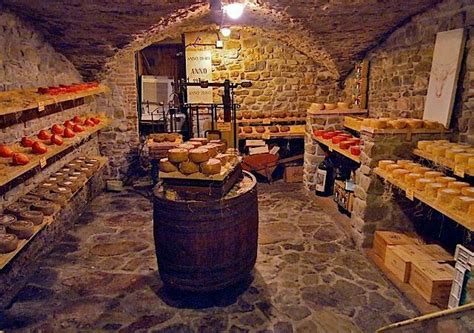
The root cellar is perhaps the most iconic and effective method for off-grid long-term storage. A good root cellar maintains a consistently cool temperature (just above freezing, typically 35-50°F or 2-10°C) and high humidity, crucial conditions for many fruits and vegetables. If a traditional underground cellar isn’t feasible, consider a cool, dark basement corner, an unheated garage, or even a buried insulated container as alternatives.
- Ideal Produce: Potatoes, carrots, beets, parsnips, turnips, cabbage, apples, pears, winter squash, and onions can all thrive in a proper cold storage environment.
- Tips for Success: Ensure good ventilation to prevent condensation and mold. Store different produce types separately if possible, as some, like apples, emit ethylene gas which can prematurely ripen other items. Keep produce clean but unwashed before storing to maintain its natural protective layer.
The Art of Drying and Dehydration
Drying is one of the oldest forms of food preservation, effectively removing moisture to inhibit microbial growth. While electric dehydrators are popular, sun drying and air drying are perfectly viable, electricity-free methods.
- Sun Drying: Best for fruits (apples, apricots, berries, tomatoes) and herbs in warm, dry climates with consistent sunshine. Slice produce thinly and arrange on screens or racks, turning periodically. Protect from insects and dew.
- Air Drying: Ideal for herbs (lavender, mint, oregano), hot peppers, and beans. Bundle herbs and hang them in a well-ventilated, dark, dry space. Beans can be dried in their pods and shelled later.
- Considerations: Patience is key. Ensure produce is completely dry before storing in airtight containers to prevent mold.
Curing and Waxing for Extended Shelf Life
Curing is a specific drying process that toughens the skin of certain vegetables, preparing them for long-term storage. Waxing, though less common for home growers, offers another protective layer.
- Curing: Onions and garlic need to be cured in a warm, dry, well-ventilated area for several weeks until their outer skins are papery and dry. Winter squash and pumpkins benefit from a short curing period (1-2 weeks at 80-85°F / 27-29°C) to harden their rinds before moving to cooler storage. Potatoes also benefit from a ‘curing’ period in a cool, dark, humid place for about two weeks post-harvest to heal any nicks and thicken skins.
- Waxing: Historically, root vegetables like turnips and rutabagas were dipped in food-grade wax to seal in moisture and prevent spoilage, though this method is labor-intensive for home use.

Fermentation: A Living Preservation Method
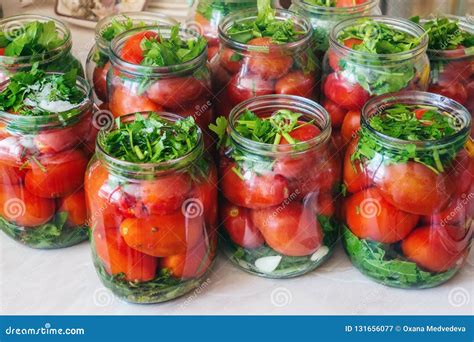
Fermentation is an ancient technique that uses beneficial microorganisms to transform fresh produce into a preserved, often more nutritious, product. It requires no electricity beyond perhaps boiling water for jar sterilization, which can be done on a wood stove or propane burner.
- How it Works: Lactic acid fermentation, common for vegetables, involves submerging produce in a saltwater brine. The salt draws out moisture and creates an anaerobic environment where lactic acid bacteria thrive, producing acid that preserves the food and gives it a distinctive tangy flavor.
- Popular Ferments: Sauerkraut (cabbage), kimchi (napa cabbage and other vegetables), pickles (cucumbers), and fermented carrots or beans are excellent choices.
- Benefits: Besides preservation, fermented foods are rich in probiotics, supporting gut health.
Packing in Sand or Sawdust
For certain root vegetables, packing them in a moist medium can prevent desiccation and extend storage life, particularly if you don’t have ideal root cellar humidity.
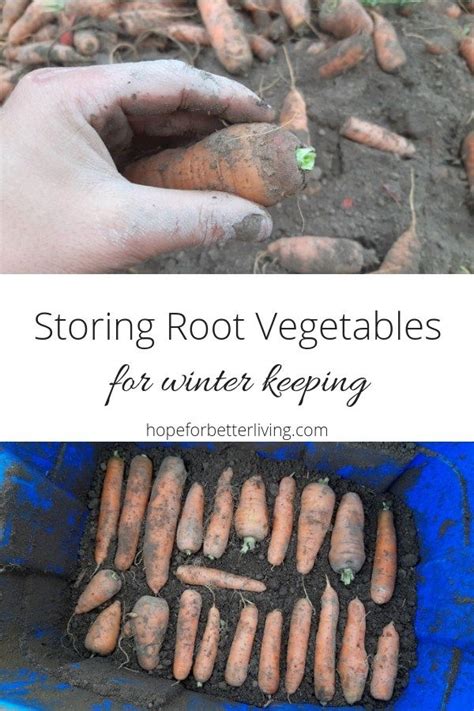
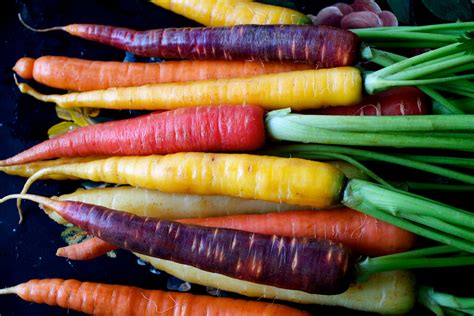
- Method: In a cool, dark place, layer clean (unwashed) carrots, beets, parsnips, or turnips in crates or barrels with slightly damp sand, sawdust, or peat moss. Ensure the vegetables aren’t touching each other. The medium helps maintain humidity and prevents moisture loss from the vegetables.
- Maintenance: Periodically check the medium and moisten it slightly if it feels dry. Inspect vegetables for any signs of spoilage and remove them immediately to prevent spread.
By integrating these traditional, electricity-free methods into your gardening and homesteading practices, you can dramatically increase your food self-sufficiency and enjoy your homegrown bounty year-round. These methods connect us to agricultural traditions, offering sustainable solutions that are both empowering and deeply satisfying.