What are the best natural DIY methods for preserving garden harvests?

As your garden bursts with abundance, the thought of letting any precious harvest go to waste can be disheartening. Fortunately, a wealth of natural, DIY preservation methods allows you to capture the vibrant flavors and nutrients of your homegrown produce, extending its enjoyment far beyond the growing season. Embracing these traditional techniques not only reduces waste but also provides a satisfying connection to your food and a pantry stocked with wholesome, homemade goodness.
Why Preserve Your Harvest Naturally?
Beyond the practical benefits of extending food shelf life, natural preservation methods often retain more nutrients compared to heavily processed alternatives. They empower you to control ingredients, avoiding artificial preservatives, excessive sugars, or undesirable additives. Furthermore, learning these skills fosters self-sufficiency, connects you to ancestral practices, and adds a fulfilling dimension to your gardening journey.
1. Dehydration (Drying)
Drying is one of the oldest and simplest methods, removing moisture to inhibit microbial growth. It’s excellent for fruits (apples, berries, apricots), herbs (oregano, basil, mint), and some vegetables (tomatoes, peppers, zucchini). You can use a food dehydrator, a conventional oven on low heat, or even direct sunlight in dry climates. Ensure items are thinly sliced and evenly spaced for efficient drying.
2. Canning (Water Bath & Pressure)
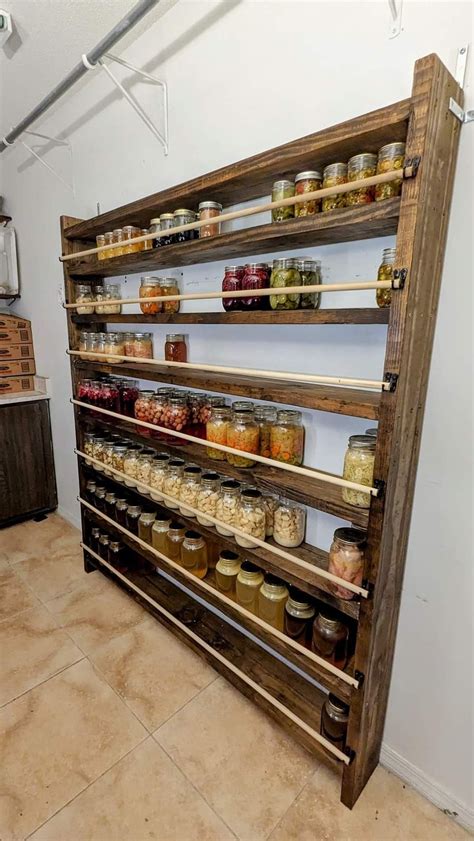
Canning involves sealing food in jars and heating them to destroy microorganisms and create a vacuum seal. Water bath canning is suitable for high-acid foods like fruits, jams, jellies, pickles, and tomatoes (with added acid). Pressure canning is essential for low-acid foods such as most vegetables, meats, and soups, as it reaches higher temperatures necessary to kill harmful bacteria like Clostridium botulinum. Always follow tested recipes and proper sterilization techniques for safety.

3. Fermentation
Fermentation uses beneficial bacteria to transform food, creating unique flavors and preserving it through lactic acid production. Sauerkraut, kimchi, pickles, and kombucha are classic examples. This method not only preserves but also enhances the nutritional value and digestibility of food, introducing probiotics. It typically requires just salt, water, and vegetables, along with a clean jar and a cool environment.
4. Freezing
Freezing is arguably the easiest method for many garden staples. While some fruits and berries can be frozen raw, most vegetables benefit from blanching (briefly boiling then plunging into ice water) beforehand to preserve color, flavor, and nutrients. Blanching stops enzyme action. Flash freezing individual pieces on a tray before bagging prevents clumping and allows for easy portioning.

5. Root Cellaring & Cool Storage
For root crops like potatoes, carrots, beets, and apples, a cool, dark, and humid environment can extend their freshness for months. A traditional root cellar is ideal, but basements, unheated closets, or even buried containers can serve the purpose. Proper ventilation and temperature (just above freezing, typically 35-50°F / 2-10°C) are crucial to prevent spoilage and sprouting.
6. Infusing Oils and Vinegars
While not for long-term storage of the produce itself, infusing oils and vinegars is a fantastic way to capture the essence of herbs, garlic, or chilies. These infusions make wonderful culinary gifts or additions to your own cooking. Ensure herbs are completely dry before infusing oils to prevent botulism risk. Store infused oils in the refrigerator and use vinegars within a few months.
Embrace the Art of Preservation
Diving into natural DIY preservation methods is a rewarding journey that enriches your culinary life and deepens your connection to the food you eat. Start with a method that excites you, experiment with different produce, and soon you’ll have a pantry brimming with delicious, nutritious, and naturally preserved garden treasures, ready to enjoy year-round. It’s a skill that not only saves money but also provides immense satisfaction and a taste of true self-sufficiency.