



What are the best natural remedies for common garden blights?

Embracing a Healthy Garden, Naturally
For those who cherish the bounty and beauty of a home garden, encountering blights can be disheartening. From tiny aphids to pervasive fungal diseases, these unwelcome guests threaten our plants and diminish our harvest. However, the good news is that country living often inspires a return to simpler, more sustainable practices. Many common garden ailments can be effectively managed and even prevented using natural remedies, safeguarding your plants, the environment, and your family’s health from harsh chemicals.
This article explores some of the most common garden blights and offers practical, natural solutions to keep your green space thriving.

Tackling Common Pests with Nature’s Arsenal
Aphids and Other Sap-Sucking Insects
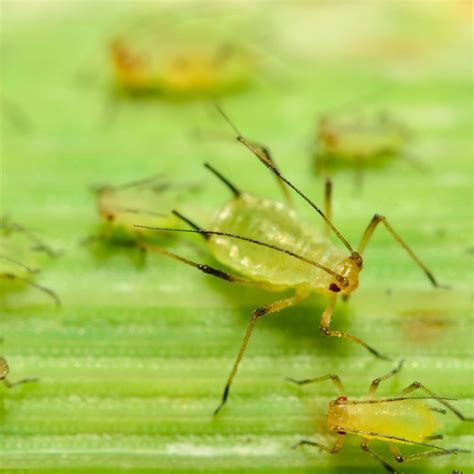
Aphids are tiny, soft-bodied insects that cluster on new growth, sucking the sap from plants and causing distorted leaves and stunted growth. They can also transmit plant viruses. Other sap-suckers include whiteflies and spider mites.
- Neem Oil Spray: A potent natural insecticide extracted from the neem tree, neem oil disrupts insect feeding and growth cycles. Mix according to product instructions (usually 1-2 tablespoons per gallon of water) with a few drops of mild soap, and spray thoroughly on affected plants, especially the undersides of leaves.
- Insecticidal Soap: A simple solution of mild liquid soap and water (e.g., 1-2 tablespoons dish soap per gallon of water) can smother soft-bodied insects. Ensure it’s a pure soap, not a detergent, to avoid harming plants.
- Beneficial Insects: Encourage natural predators like ladybugs, lacewings, and hoverflies by planting diverse flowers and herbs that provide nectar and pollen.
Slugs and Snails: The Mollusk Menace
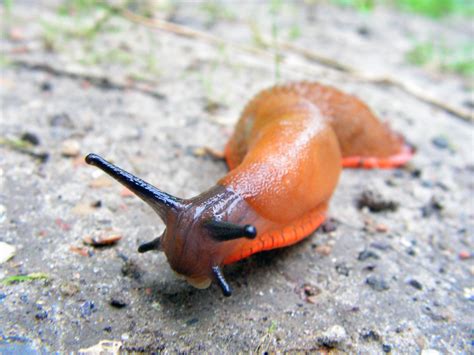
These slimy creatures can wreak havoc on young seedlings and tender leaves, leaving tell-tale silvery trails. They are particularly active in damp conditions.
- Diatomaceous Earth (DE): A fine powder made from fossilized diatoms, DE has sharp edges that scratch the protective waxy layer of slugs and snails, causing dehydration. Sprinkle a barrier around susceptible plants on dry days. Reapply after rain.
- Beer Traps: Bury shallow containers (like old yogurt cups) up to their rims near affected plants and fill them with beer. Slugs and snails are attracted to the yeast, fall in, and drown.
- Copper Barriers: Copper reacts with the slime of slugs and snails, giving them a mild electric shock. Place copper tape or strips around raised beds or pots.
Combating Fungal Diseases Organically
Powdery Mildew and Other Fungal Foes
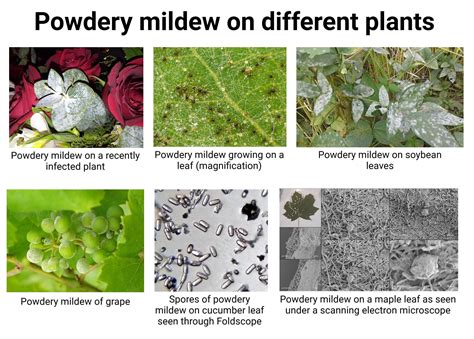
Powdery mildew appears as white, powdery patches on leaves, stems, and fruits, hindering photosynthesis. Other common fungal diseases include rust, black spot, and downy mildew.
- Baking Soda Spray: Mix 1 tablespoon baking soda, 1 tablespoon vegetable oil, and a few drops of liquid soap in a gallon of water. Spray infected plants weekly to change the pH on the leaf surface, making it less hospitable for fungi.
- Milk Spray: A simple solution of one part milk to nine parts water has shown promise in preventing and treating powdery mildew, especially on squash, cucumbers, and tomatoes. Spray weekly in sunny conditions.
- Proper Air Circulation: Space plants adequately, prune dense foliage, and avoid overhead watering to reduce humidity around plants, which fungi love.
Tomato Blight: A Gardener’s Heartbreak
Early blight and late blight can devastate tomato plants, causing dark spots on leaves, stems, and fruit, leading to plant death. Prevention is key.
- Crop Rotation: Do not plant tomatoes or related solanaceous plants (potatoes, peppers, eggplants) in the same spot for at least 3-4 years to break the disease cycle.
- Pruning: Remove lower leaves that touch the soil, as soil can harbor fungal spores. Ensure good air circulation within the plant.
- “Bordeaux Mixture” (Homemade): While the traditional Bordeaux mix uses copper sulfate, a natural alternative can be a garlic and onion spray (finely chop garlic/onions, soak in water, strain, and spray) which has some fungicidal properties. Always remove and dispose of infected plant material responsibly (not in compost).
General Strategies for a Resilient Garden
Beyond specific remedies, building a healthy garden ecosystem is the best defense against blights:
- Healthy Soil: Amend your soil with compost and organic matter to foster beneficial microorganisms that can suppress disease.
- Proper Watering: Water at the base of plants in the morning to allow foliage to dry quickly, reducing fungal growth.
- Plant Selection: Choose disease-resistant varieties suitable for your climate.
- Garden Hygiene: Regularly remove weeds, diseased leaves, and plant debris. Sanitize tools between uses.

Conclusion
Maintaining a healthy, vibrant garden free from blights doesn’t require a chemical arsenal. By understanding the common challenges and employing natural, eco-friendly remedies, you can nurture your plants and create a resilient garden ecosystem. Embrace observation, gentle intervention, and the wisdom of nature to ensure your country living space remains a source of beauty and abundant harvests for years to come.