What are the best no-canning methods to preserve abundant garden tomatoes?

The Bountiful Harvest: Preserving Tomatoes Without the Jar
There’s nothing quite like the taste of a sun-ripened tomato fresh from the garden. But when your plants produce more than you can possibly eat in a week, the delightful abundance can quickly turn into a race against spoilage. While canning is a traditional and effective method, it’s not for everyone. Perhaps you lack the equipment, the time, or simply prefer simpler approaches. The good news is that there are numerous no-canning methods to preserve your abundant tomato harvest, ensuring you can savor that fresh-from-the-garden flavor all year long.
Freezing: The Easiest Way to Lock in Freshness
Freezing is arguably the simplest and most versatile method for preserving tomatoes. You don’t need any special equipment beyond freezer-safe bags or containers. For whole tomatoes, simply wash them, remove the core, and place them on a baking sheet in a single layer until frozen solid. Once firm, transfer them to freezer bags. When you’re ready to use them, a quick rinse under warm water will help the skin slip right off.
Alternatively, you can chop, dice, or purée your tomatoes before freezing. This is ideal for making future sauces, soups, or stews. Cooked tomato purée or sauce can also be frozen in ice cube trays for small portions, or in larger containers for family-sized meals. Freezing helps retain the fresh flavor and nutritional value with minimal effort.

Dehydrating: Concentrating Flavor for Long-Term Storage
Dehydrating tomatoes transforms them into intensely flavorful sun-dried (or machine-dried) treasures. This method concentrates their sweetness and makes them excellent for adding a burst of flavor to pastas, salads, sandwiches, and more. You can use a food dehydrator or even your oven on its lowest setting. Slice tomatoes thinly, remove excess moisture, and dry until leathery but still pliable. Larger, meatier varieties like Roma or San Marzano work particularly well for drying.
Once dried, store them in airtight containers. You can rehydrate them in warm water or oil before use, or simply chop and add them directly to dishes for a chewy, flavorful kick. For an extra treat, pack them in olive oil with herbs and garlic once dried.

Fermentation: A Tangy Twist on Preservation
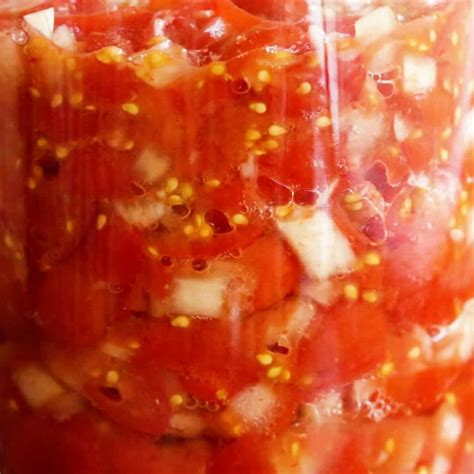
Fermentation is an ancient preservation technique that not only extends the shelf life of tomatoes but also introduces a wonderful tangy flavor and beneficial probiotics. You can ferment chopped tomatoes to make a lacto-fermented salsa, or even whole cherry tomatoes for a unique snack. The process involves submerging tomatoes in a saltwater brine, allowing beneficial bacteria to convert sugars into lactic acid, which acts as a natural preservative.
While it requires a bit more hands-on attention than freezing, the unique flavors and health benefits make it a worthwhile endeavor for adventurous home cooks. Always ensure proper sanitation and use reliable recipes when experimenting with fermentation.
Roasting and Freezing: Deepening Flavor
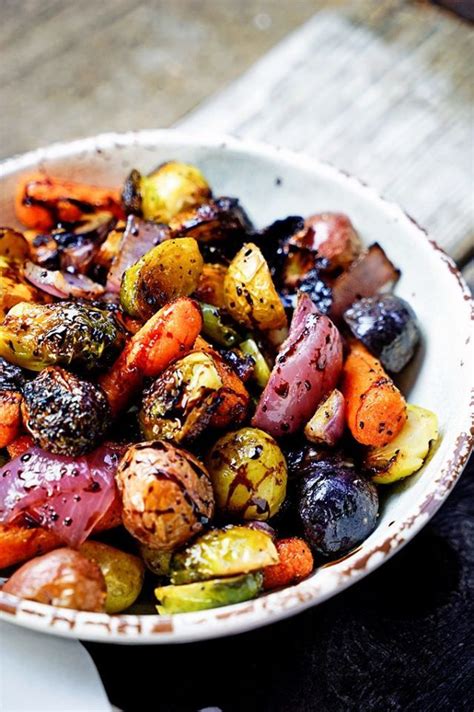
Roasting tomatoes before freezing is an excellent way to deepen their flavor profile. Toss halved or quartered tomatoes with a little olive oil, salt, pepper, and your favorite herbs (like basil or oregano). Roast them in the oven until they are soft, slightly caramelized, and their juices have thickened. This process brings out their natural sweetness and umami, creating a rich base for future sauces, soups, or stews.
Once cooled, the roasted tomatoes can be portioned into freezer bags or containers. They retain their incredible flavor and texture, making quick weeknight meals a breeze. Imagine the taste of summer tomatoes in the dead of winter!
Making and Freezing Sauces or Pastes
If you have a truly abundant harvest, cooking your tomatoes down into a sauce, paste, or purée before freezing is a highly efficient method. This minimizes freezer space by reducing the water content. Simply simmer peeled, seeded (optional), and chopped tomatoes until they reach your desired consistency. You can add onions, garlic, and herbs for a ready-to-use sauce, or cook them plain to create a versatile base.
Once cooled, transfer the sauce or paste into freezer-safe containers, leaving a little headspace for expansion. This method is incredibly rewarding, providing you with homemade, preservative-free tomato products that far surpass anything from a can or jar.

Enjoying Your Harvest All Year Long
With these no-canning methods, you can confidently tackle your garden’s tomato bounty. Whether you opt for the simplicity of freezing, the intense flavor of drying, the tang of fermentation, or the richness of roasting, each technique offers a unique way to preserve the taste of summer. Experiment with different methods to find what works best for your lifestyle and culinary preferences, and enjoy the satisfaction of homemade goodness all year long.