What are the best real food recipes to preserve homegrown seasonal gluts for winter meals?
Embracing the Abundance: Preserving Homegrown Gluts for Winter
There’s immense joy in harvesting your own fruits and vegetables, but sometimes the sheer abundance of a seasonal glut can feel overwhelming. Rather than letting precious produce go to waste, mastering a few real food preservation techniques can transform your summer bounty into wholesome, delicious meals that nourish you through the colder months. These methods not only save money and reduce food waste but also ensure you have access to nutrient-rich, additive-free ingredients straight from your garden.
Freezing Your Harvest: A Beginner-Friendly Approach
Freezing is arguably the simplest and most accessible method for preserving a wide variety of produce. Most vegetables benefit from a quick blanching before freezing to halt enzyme activity, preserving color, texture, and nutrients. Think about blanching green beans, broccoli florets, peas, and corn kernels for 2-3 minutes, then quickly chilling them in ice water before freezing them in a single layer on a baking sheet. Once solid, transfer to freezer-safe bags or containers.
Fruits like berries, sliced peaches, and cherries can often be frozen raw. Spread them on a tray to freeze individually before bagging them up to prevent clumping. For winter meals, these are perfect for smoothies, pies, crumbles, or simply thawed as a topping for yogurt. Purees are another fantastic option: blend roasted tomatoes into a rich sauce, pumpkin into a silky puree, or bell peppers into a versatile soup base, then freeze in portioned containers.

Canning and Jarring: The Art of Shelf-Stable Goodness
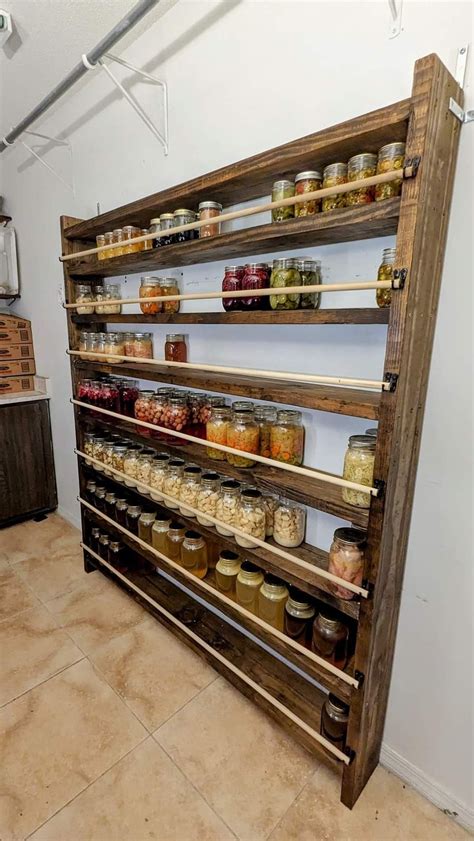
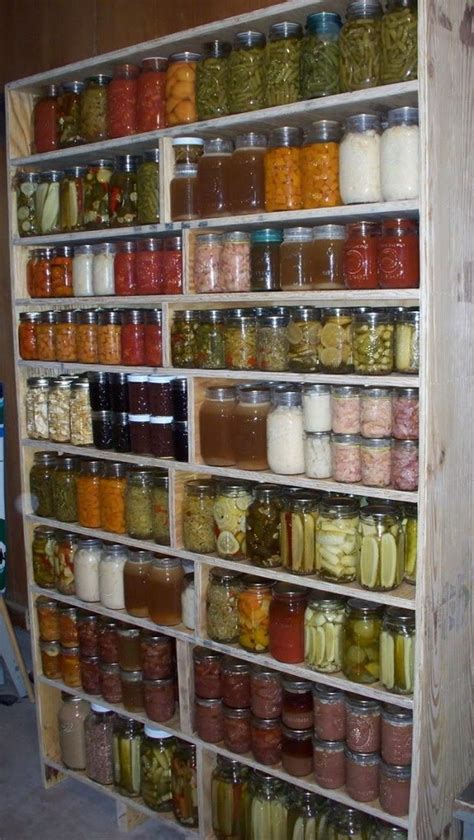
Canning provides shelf-stable pantry staples, allowing you to enjoy your harvest for a year or more without refrigeration. Water bath canning is suitable for high-acid foods like fruits, jams, jellies, pickles, and most tomato products (often with added acidity). Pressure canning is required for low-acid vegetables (like green beans, corn, potatoes) and meats, which carry a higher risk of botulism if not processed correctly. For beginners, water bath canning jams, jellies, and pickled vegetables is a great starting point.
Recipe Ideas:
- Tomato Sauce/Passata: Roast or simmer your ripe tomatoes, then pass them through a food mill. Season with herbs and salt, then water bath can for a versatile base for pasta, pizzas, and stews.
- Dill Pickles: Crisp cucumbers transformed with a brine of vinegar, water, salt, garlic, and fresh dill.
- Fruit Preserves: Strawberry jam, peach butter, or blueberry preserves are classic ways to capture summer’s sweetness.
- Salsa: A blend of tomatoes, onions, peppers, cilantro, and lime, water bath canned for a festive dip or meal accompaniment.
Dehydrating: Concentrating Flavors and Saving Space
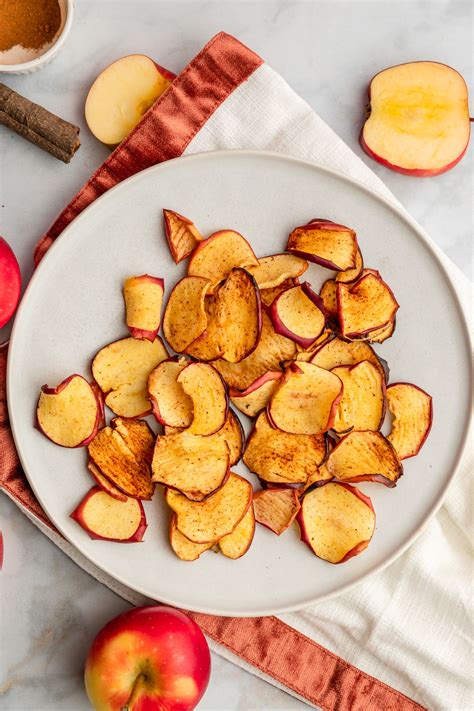
Dehydration removes moisture, preventing spoilage and concentrating flavors into lightweight, space-saving forms. A food dehydrator is ideal, but an oven on its lowest setting with the door ajar can also work. This method is excellent for herbs, fruits, and vegetables.
Recipe Ideas:
- Sun-Dried Tomatoes: Slice ripe tomatoes thinly and dehydrate until leathery. Rehydrate in warm water or oil for pasta, salads, or sauces.
- Fruit Leathers: Puree fruit (berries, apples, peaches) and spread thinly on dehydrator trays. A healthy, portable snack.
- Dried Herbs: Hang bundles of herbs in a dry, dark place or use a dehydrator. Crumble and store for winter seasonings.
- Mushroom Slices: Dried mushrooms add an intense umami flavor to soups, stews, and risottos.
Fermentation: A Living Tradition
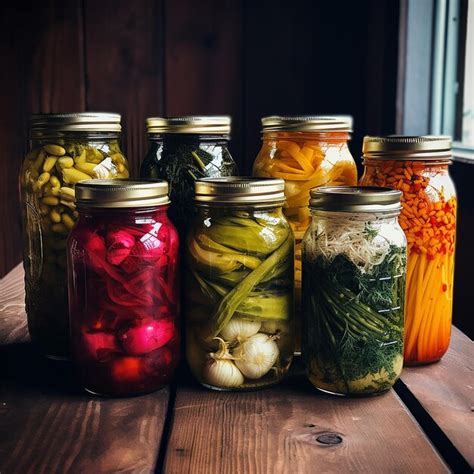
Fermentation is an ancient preservation method that not only extends the life of food but also enhances its nutritional value and creates unique, tangy flavors. Through the action of beneficial bacteria, sugars are converted into lactic acid, which acts as a natural preservative. This method is surprisingly simple and requires minimal equipment.
Recipe Ideas:
- Sauerkraut: Finely shredded cabbage, massaged with salt, then left to ferment in an airtight crock or jar. A staple for sandwiches or as a side dish.
- Lacto-Fermented Pickles: Whole or sliced cucumbers brined in salty water with spices. Unlike vinegar pickles, these are alive with beneficial bacteria.
- Kimchi: A spicy Korean fermented cabbage dish, adaptable to various vegetables from your garden.
Root Cellaring and Storage: Traditional Long-Term Keeps
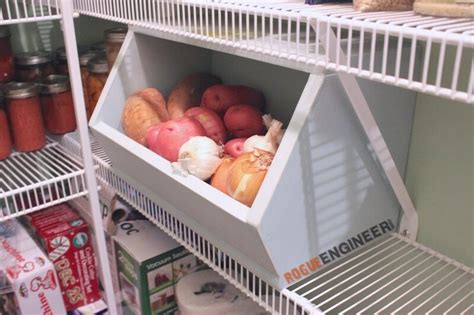
For certain root vegetables and hardy fruits, simple cool, dark, and humid storage can suffice, mimicking a traditional root cellar. Even without a dedicated root cellar, you can create suitable conditions in a cool basement, unheated pantry, or even insulated containers in a garage.
Ideal for:
- Root Vegetables: Carrots, beets, potatoes, parsnips, and turnips can last for months stored in damp sand, sawdust, or peat moss in a cool, dark place.
- Winter Squash: Varieties like butternut, acorn, and spaghetti squash cure on the vine and can be stored at room temperature (around 50-60°F / 10-15°C) for several months.
- Onions and Garlic: Store in mesh bags in a cool, dry, dark, well-ventilated area.
- Apples: Some varieties store exceptionally well for months in cool, slightly humid conditions.
Conclusion: A Year-Round Harvest from Your Garden
Preserving your homegrown gluts is a journey of learning and experimentation that connects you more deeply to your food and the seasons. Whether you choose the simplicity of freezing, the artistry of canning, the efficiency of dehydrating, the living goodness of fermentation, or the traditional wisdom of root cellaring, each method offers a unique way to enjoy the fruits (and vegetables!) of your labor long after the growing season ends. Start with one or two methods that appeal to you, and soon you’ll be enjoying delicious, real food winter meals made from your very own summer sunshine.