




What are the best real food substitutions for common pantry staples in recipes?

Transforming your cooking doesn’t require a complete pantry overhaul, but rather a thoughtful approach to common ingredients. Many processed pantry staples can be easily replaced with wholesome, real food alternatives that not only enhance flavor but also boost the nutritional value of your meals. Making these swaps is a simple step towards a healthier, more vibrant kitchen.
Sweeteners: Trading Refined for Natural
Refined white sugar is a common culprit in many recipes. While moderation is key, opting for natural sweeteners can provide additional nutrients and a more complex flavor profile.
- Instead of White Sugar: Consider maple syrup, honey, dates, or stevia. Maple syrup and honey offer distinct flavors and contain trace minerals, while pureed dates provide fiber and natural sweetness. Stevia is a calorie-free plant-based option. Adjust quantities based on sweetness intensity; generally, use slightly less liquid sweetener than sugar and reduce other liquids in the recipe accordingly.

Grains & Thickeners: Beyond All-Purpose Flour
All-purpose flour is a staple, but it’s often stripped of nutrients during processing. Healthier flour alternatives and natural thickeners can add fiber and vital nutrients to your dishes.
- Instead of All-Purpose Flour: For baking, whole wheat flour offers more fiber and nutrients (start by substituting 25-50% for a less dense texture). Almond flour and oat flour are excellent gluten-free options, adding protein and healthy fats.
- Instead of Cornstarch/Flour Thickeners: Arrowroot powder or tapioca starch are fantastic grain-free thickeners, often creating a clearer sauce than cornstarch. A roux made with whole wheat flour and a healthy fat can also be used.
Fats & Oils: Healthier Cooking Choices
Many recipes call for vegetable oils that are highly processed and less stable at high temperatures. Switching to less refined fats can be beneficial for health.
- Instead of Vegetable Oil/Canola Oil: Olive oil (extra virgin for low-heat cooking, lighter olive oil for higher heat), avocado oil (great for high-heat cooking), coconut oil (adds a distinct flavor, good for baking), or grass-fed butter/ghee are superior choices. They are less processed and offer healthy fats.
Sauces & Broths: Ditching the Cans
Canned cream soups, processed broths, and packaged sauces are often laden with sodium, unhealthy fats, and artificial ingredients. Homemade versions are surprisingly simple and far more nutritious.
- Instead of Canned Cream Soups: Make your own béchamel sauce (a simple white sauce from butter, flour, and milk), or a dairy-free cashew cream (blended soaked cashews with water). Pureed cooked vegetables like cauliflower or cannellini beans can also create a creamy base.
- Instead of Store-Bought Broths: Homemade bone broth or vegetable broth is easy to make from kitchen scraps and bones, offering superior flavor and often more nutrients without excess sodium.

Flavor Boosters: Fresh vs. Processed
Pre-made seasoning packets and breadcrumbs can contain hidden sugars, excessive salt, and anti-caking agents. Opting for fresh, whole ingredients ensures purity and vibrant flavor.
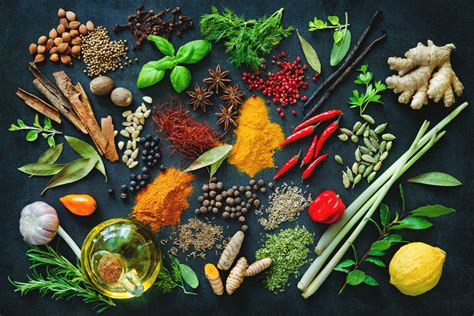
- Instead of Pre-packaged Spice Mixes: Use individual fresh or dried herbs and spices. This allows you to control the exact flavor profile and avoid unwanted additives.
- Instead of Store-Bought Breadcrumbs: Make your own from stale whole-grain bread, or use crushed oats, nuts, or seeds for a gluten-free and nutrient-rich coating.
Embracing real food substitutions is a powerful way to take control of what goes into your body and enhance the quality of your cooking. These simple swaps can lead to more flavorful, nutritious, and satisfying meals without sacrificing convenience or taste. Start small, experiment with a few substitutions, and enjoy the delicious results of a healthier pantry.