What are the best slow-cooking methods for tenderizing tough country meats?

Country meats, often sourced from older animals or tougher cuts, are renowned for their robust flavor but can be challenging to tenderize. Unlike more delicate cuts, these meats require specific cooking techniques to break down tough connective tissues, resulting in a melt-in-your-mouth texture. Slow cooking is the undisputed champion in this arena, transforming sinewy cuts into succulent, fork-tender dishes.
Understanding Why Slow Cooking Works
The magic of slow cooking lies in its ability to gently break down collagen, a tough protein found in abundance in country meats, into gelatin over extended periods at low temperatures. This process not only tenderizes the meat but also enriches the cooking liquid, creating a luxurious sauce. It allows time for muscle fibers to relax and for flavors to meld deeply.
Braising: The Quintessential Wet Heat Method
Braising is arguably the most effective method for tough cuts. It involves searing the meat first to develop a rich crust, then simmering it partially submerged in a flavorful liquid (broth, wine, or beer) in a covered pot, often in an oven or on a stovetop, for several hours. The moist, low-heat environment steadily breaks down the fibers, yielding incredibly tender results. Cuts like beef chuck, lamb shanks, or pork shoulder are perfect candidates.
Stewing: Comfort in a Bowl
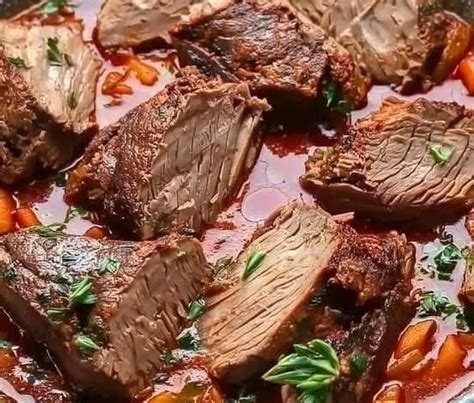
Similar to braising but typically involving smaller, uniformly cut pieces of meat fully submerged in liquid, stewing is another fantastic method. The constant contact with the simmering liquid ensures even tenderization. Stews are versatile, allowing for the addition of various vegetables and aromatics to create hearty, flavorful meals. Think beef stew, goulash, or chicken fricassee.

Smoking & BBQ: Low and Slow Flavor Infusion
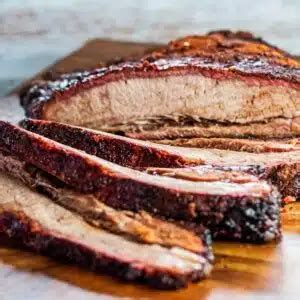
While often associated with dry heat, true BBQ and smoking are fundamentally slow-cooking methods. They rely on indirect, low heat (typically 225-275°F / 107-135°C) over many hours, coupled with the tenderizing effects of smoke. The long cooking time allows connective tissues to break down, while the smoke imparts a distinctive flavor. Brisket, pork butt, and ribs are classic examples that transform into juicy, pull-apart masterpieces through this technique.
The Versatility of Slow Cookers (Crock-Pots)
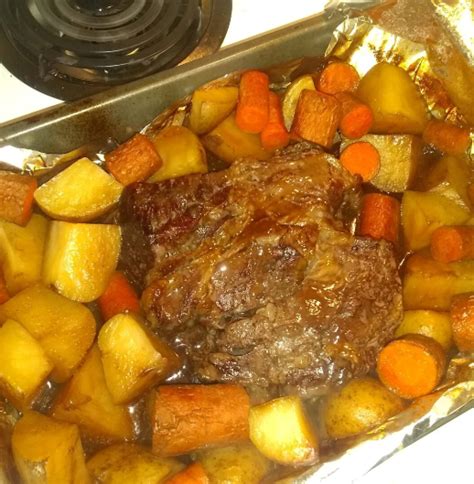
For convenience, the electric slow cooker is unbeatable. It maintains a consistent low temperature over many hours, making it ideal for set-it-and-forget-it meals. Meats like pot roasts, pulled pork, and chili can simmer all day, becoming incredibly tender with minimal oversight. Just combine your seared meat, liquids, and aromatics, and let the appliance do the work.
Key Principles for Maximizing Tenderness
- Low Temperature, Long Duration: Patience is key. Rushing the process will result in tough meat.
- Ample Moisture: Especially for braising and stewing, ensure the meat is adequately surrounded by liquid to facilitate collagen breakdown.
- Acidity: A splash of wine, vinegar, or tomatoes can help further break down tough fibers and add depth of flavor.
- Resting: After cooking, always let the meat rest for 10-20 minutes, covered, before slicing or shredding. This allows juices to redistribute, ensuring a more tender and moist final product.
- Searing: While not strictly for tenderizing, searing meat before slow cooking adds a crucial layer of flavor through the Maillard reaction.
Conclusion
Tough country meats don’t have to be a challenge. By embracing the art of slow cooking through methods like braising, stewing, smoking, or using a slow cooker, you can unlock their full potential, transforming them into dishes that are rich in flavor and wonderfully tender. Experiment with different cuts and techniques to discover your own favorite ways to enjoy these robust culinary treasures.