What are the easiest, no-special-equipment ways to preserve garden herbs?
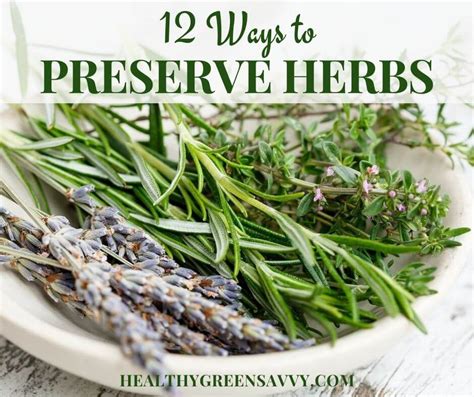
Embrace Your Herb Harvest Without Special Tools
The bounty of a flourishing herb garden is one of summer’s greatest pleasures, but what happens when the season wanes? Preserving your herbs allows you to capture their fresh, vibrant flavors for use long after the last frost. The good news is, you don’t need fancy dehydrators or vacuum sealers to do it. With just a few basic household items and a little know-how, you can easily preserve your homegrown herbs.
Air Drying: The Timeless Method
Air drying is perhaps the oldest and simplest way to preserve herbs, ideal for those with lower moisture content like rosemary, thyme, oregano, marjoram, and bay leaves. It requires nothing more than a warm, dry, well-ventilated space.
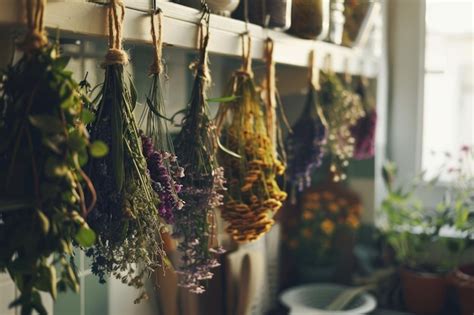
How to Air Dry:
- Bundle & Hang: Gather small bunches of herbs (about 4-6 stems), tie them together with twine or a rubber band, and hang them upside down in a place with good air circulation and away from direct sunlight, which can bleach their color and diminish flavor. A pantry, attic, or even a corner of your kitchen can work.
- Tray Drying: For more delicate herbs or leaves you’ve stripped from stems, you can spread them in a single layer on a clean screen, baking sheet lined with parchment paper, or even a brown paper bag with holes poked in it.
Drying can take anywhere from a few days to a couple of weeks, depending on the herb and humidity. You’ll know they’re ready when the leaves are brittle and crumble easily.
Freezing: Locking in Freshness
Freezing is an excellent method for preserving herbs with higher moisture content, such as basil, parsley, cilantro, chives, mint, and tarragon. It helps retain their vibrant color and fresh flavor, making them perfect for adding to cooked dishes.
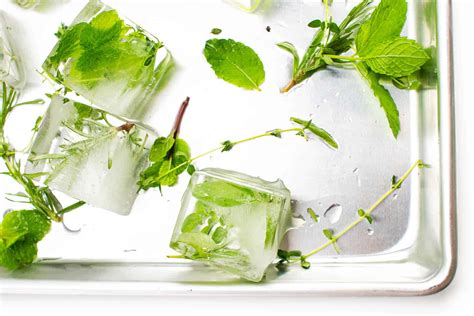
How to Freeze Herbs:
- In Ice Cube Trays: Chop your herbs finely, pack them into ice cube trays, and cover them with water or olive oil. Freeze until solid, then pop out the herb cubes and transfer them to a freezer-safe bag or container. These pre-portioned cubes are perfect for adding directly to soups, stews, sauces, or stir-fries.
- Directly in Bags: For larger quantities or herbs like dill and parsley, you can simply wash, pat dry thoroughly, chop (if desired), and then place them directly into freezer-safe bags. Press out as much air as possible before sealing. When you need them, just break off a piece or use them frozen.
Salt or Sugar Curing: An Ancient Technique
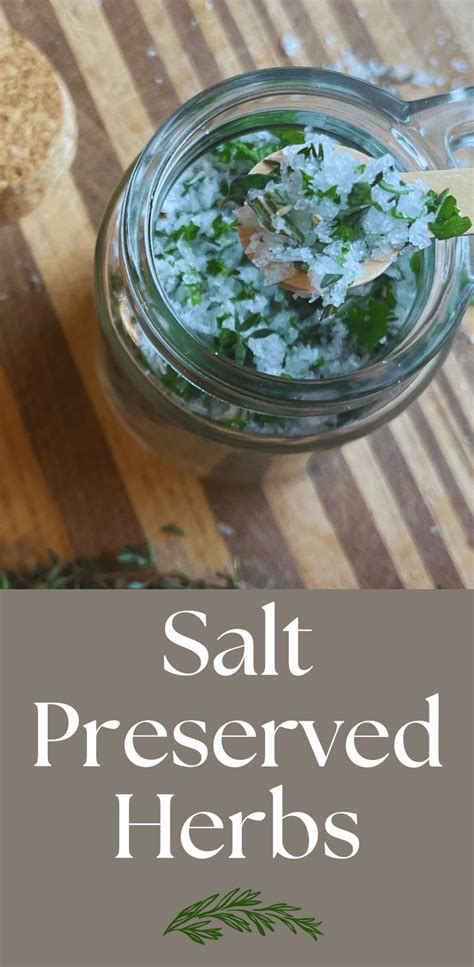
While less common for everyday herbs, salt or sugar curing can be a fascinating way to preserve certain varieties, especially those with robust flavors like rosemary, sage, or even mint (with sugar). This method draws out moisture and inhibits spoilage.
How to Cure Herbs:
- Salt Curing: Layer fresh, dry herb leaves with coarse salt in an airtight jar. Ensure the herbs are fully covered by salt. Over time, the salt will absorb moisture and infuse with the herb’s flavor. The salt itself becomes a seasoned ingredient you can use in cooking.
- Sugar Curing: Similar to salt, fresh mint leaves can be layered with granulated sugar in an airtight container. The sugar will absorb the mint’s essence, creating a beautiful mint sugar perfect for desserts or teas.
Herb Infused Vinegars: A Flavorful Elixir
Infusing herbs into vinegar is not only a preservation method but also creates a wonderful culinary ingredient. Hardier herbs like rosemary, thyme, oregano, and tarragon work beautifully, as do softer ones like basil and dill.

How to Infuse Vinegar:
- Sterilize a Bottle: Wash and sterilize a clean glass bottle or jar.
- Add Herbs: Gently bruise a handful of fresh, clean herbs and place them in the bottle.
- Pour Vinegar: Fill the bottle with good quality white wine vinegar, apple cider vinegar, or champagne vinegar.
- Steep: Seal the bottle and let it steep in a cool, dark place for 2-4 weeks. Taste periodically until the desired flavor strength is reached.
- Strain: Once infused, strain out the herbs and transfer the flavored vinegar to a clean bottle. Store in a cool, dark place.
Storing Your Preserved Herbs
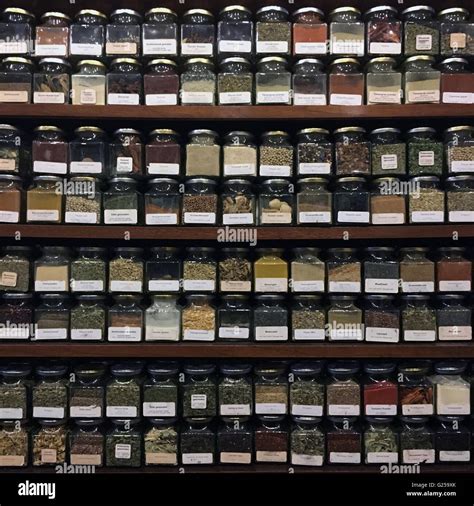
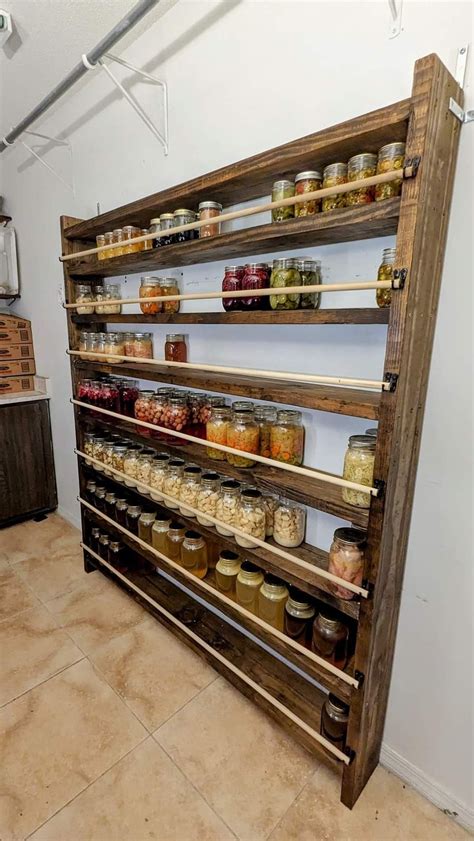
Proper storage is key to making your preserved herbs last. Dried herbs should be stored in airtight containers (glass jars are ideal) in a cool, dark place away from light and heat, which can degrade their flavor and potency. Frozen herbs should remain in their airtight freezer bags or containers, ready for direct use in cooking.
With these simple, no-special-equipment methods, you can easily extend the life of your garden’s bounty, ensuring a taste of summer’s freshness in every meal, all year long.