What are the easiest vegetables for a first-time country garden?
Starting Your Country Garden Adventure
There’s a unique charm and deep satisfaction in growing your own food, especially when you’re establishing a country garden. For first-timers, the vastness of possibilities can feel overwhelming. The key to a successful start isn’t ambition, but choosing the right, forgiving plants that offer quick rewards and build confidence. Setting up your first country garden should be an enjoyable experience, not a daunting task.

Why Easy Vegetables Matter for Beginners
When you’re new to gardening, quick successes are powerful motivators. Opting for vegetables known for their resilience, rapid growth, and minimal fuss reduces the chances of discouragement. It allows you to learn the rhythm of your soil, sun, and water without the added stress of complex plant care. These easy-to-grow varieties provide a gentle introduction to gardening principles and offer delicious harvests that make all your efforts feel worthwhile.
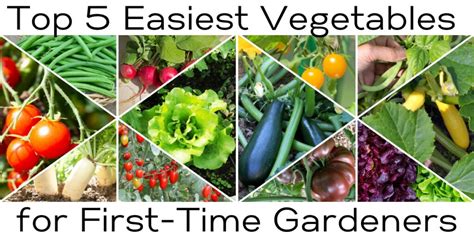
Top Picks for Your First Country Vegetable Patch
1. Radishes: The Speedy Satisfier
Radishes are often ready for harvest in as little as three to four weeks from seeding. They require minimal space, grow well in most soil types, and are a fantastic way to quickly see results. Just make sure they get consistent moisture to prevent them from becoming woody or too spicy. Their rapid growth makes them incredibly gratifying for impatient new gardeners.
2. Lettuce and Other Salad Greens: Cut-and-Come-Again Goodness
Loose-leaf lettuce, spinach, and Swiss chard are incredibly easy to grow and offer continuous harvests. Sow seeds directly in the ground, keep them watered, and pick outer leaves as needed. They tolerate some shade and don’t demand excessively nutrient-rich soil, making them perfect for beginners looking for fresh greens right from their yard.

3. Bush Beans: Prolific and Problem-Free
Unlike pole beans, bush beans don’t require trellising, making them less demanding. They germinate easily, grow quickly, and produce abundant yields. Plant them in succession every couple of weeks for a continuous supply throughout the summer. While generally robust, keep an eye out for common pests, but otherwise, they are one of the most reliable crops for a novice.
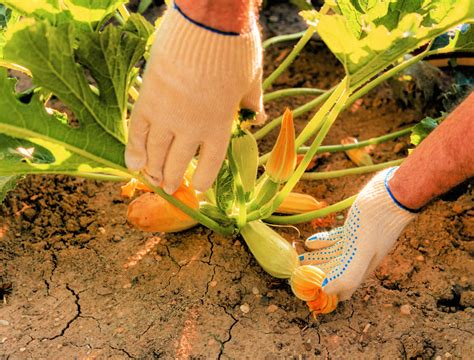
4. Zucchini and Summer Squash: The Giving Plants
Be warned: zucchini can be very prolific! While some call it a curse, for a beginner, it’s a blessing of easy success. Plant them in full sun with plenty of space and rich soil, and you’ll likely have more squash than you know what to do with. Harvest young and often for the best flavor and to encourage more production. Just one or two plants can feed a small family all season.
5. Cherry Tomatoes: Sweet Rewards with Little Fuss
While larger tomatoes can sometimes be finicky, cherry varieties are generally more forgiving than their larger counterparts. They’re vigorous growers, produce a massive amount of fruit, and are incredibly rewarding. Plant them in a sunny spot, provide a stake or small cage for support, and water consistently. The taste of your first homegrown cherry tomato is pure bliss and a testament to your green thumb!
6. Peas: Sweet Snaps and Shelled Delights
Both shelling peas and snap peas are delightful and relatively easy to grow. They prefer cooler weather, so plant them in early spring as soon as the soil can be worked. They’ll need something to climb on – a small trellis, netting, or even sturdy branches will do. The reward of fresh, sweet peas picked straight from the vine is unparalleled and a true seasonal treat.

Essential Tips for First-Time Country Gardeners
- Sunlight is Key: Most vegetables need at least 6-8 hours of direct sunlight per day. Choose your garden spot wisely before you even plant a seed.
- Soil Matters: Good drainage and rich, organic soil are crucial. Consider raised beds or amending your native soil generously with compost to improve its structure and fertility.
- Consistent Watering: Especially important during germination and fruit development. Deep, infrequent watering is generally better than shallow, frequent sprinkles, encouraging deeper root growth.
- Start Small: Don’t try to plant an acre on your first go. A 10×10 foot plot can produce a surprising amount of food and is much more manageable, allowing you to learn without being overwhelmed.
- Observe and Learn: Spend time in your garden. Notice what’s working, what isn’t, and enjoy the process. Every season is a new learning opportunity.

Embrace the Journey
Starting a country garden is an incredible journey of discovery and connection with nature. By choosing easy-to-grow vegetables, you set yourself up for early successes, which will fuel your passion and knowledge for seasons to come. Don’t be afraid to experiment, adjust, and most importantly, enjoy the fruits (and vegetables!) of your labor. Your first country garden is the beginning of a rewarding, lifelong hobby.