What are top natural ways to deter deer from homestead vegetable beds?

Understanding the Deer Challenge
Deer, while beautiful creatures, can quickly decimate a season’s worth of hard work in a homestead vegetable garden. Their browsing habits can be incredibly frustrating for gardeners, especially those committed to natural and organic methods. The good news is that a variety of effective, natural strategies can be employed to protect your precious produce without resorting to harsh chemicals or complicated systems. Success often lies in combining several approaches to create a multi-layered defense.

The Power of Physical Barriers
The most foolproof natural method for deterring deer is creating a physical barrier. While it might require an initial investment of time and resources, a well-constructed fence is the gold standard.
- Tall Fencing: Deer can jump surprisingly high, so fences need to be at least 7-8 feet tall to be truly effective. A slightly angled fence (leaning out from the garden) can be even more daunting as it disorients their jumping ability.
- Double Fencing: A less visually intrusive option is to create two shorter fences (e.g., 4-5 feet tall) spaced about 3-4 feet apart. Deer are reluctant to jump into a confined space, making this a surprisingly effective deterrent.
- Netting and Cages: For smaller, individual beds or vulnerable plants, deer netting draped over hoops or sturdy cages made from hardware cloth can provide direct protection. Ensure the netting is securely anchored to the ground.
Scent and Taste Aversion: Natural Repellents
Deer have a highly developed sense of smell and taste, which can be leveraged to your advantage. Many natural substances are unpleasant to deer, prompting them to seek food elsewhere.
- Rotten Egg Spray: A surprisingly effective and widely used repellent. Mix 6-8 raw eggs with a gallon of water, let it sit for a few days to ferment, then strain and spray on plants. Reapply after heavy rain. The sulfurous smell deters deer without harming plants.
- Hot Pepper Spray: Capsaicin, the compound that makes peppers hot, is a strong irritant to deer. Blend hot peppers (cayenne, habanero) with water and a drop of dish soap (as an emulsifier), strain, and spray. Be cautious when applying to avoid eye or skin irritation.
- Bar Soap: Hanging bars of strong-smelling soap (like Irish Spring) from stakes around the garden, or grating it around plants, can deter deer with its pungent scent.
- Human Hair and Pet Fur: Placing bundles of human hair or dog fur (collected from brushes) in mesh bags around the garden can signal a predator presence. Replenish regularly.

Strategic Planting: Companion Plants and Deer-Resistant Varieties
While deer will eat almost anything if hungry enough, certain plants are less appealing to them due to their texture, scent, or taste. Incorporating these into and around your vegetable beds can offer a layer of passive protection.
- Strong-Scented Herbs: Plant herbs like lavender, rosemary, mint, sage, and thyme around the perimeter of your garden or interspersed with vulnerable vegetables. Their strong aromas can mask the scent of preferred plants.
- Prickly or Fuzzy Plants: Plants with thorny stems or fuzzy leaves are generally less palatable. While most vegetables don’t fit this description, surrounding beds with plants like lambs ear or thistles (where appropriate) can deter them.
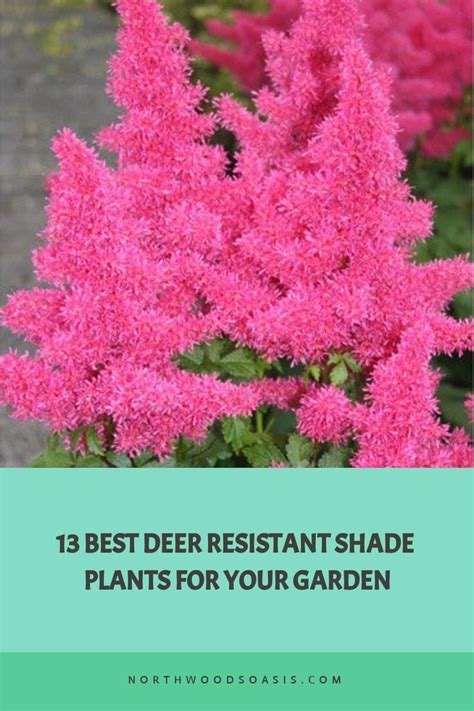
- Deer-Resistant Flowers: Marigolds, zinnias, and daffodils are often avoided by deer and can add beauty while offering some protection.
Sound and Visual Deterrents (with limitations)
Deer are creatures of habit and can be startled by sudden changes or unfamiliar objects. While less effective long-term than physical barriers or repellents, these methods can provide temporary relief or supplement other strategies.
- Reflective Objects: Hanging old CDs, aluminum pie plates, or shiny streamers can reflect light and move in the wind, startling deer.
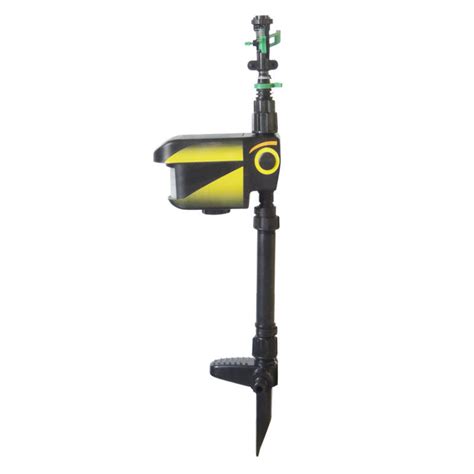
- Motion-Activated Sprinklers: These devices detect movement and spray a burst of water, effectively frightening deer away. They are most effective in specific problem areas and when deer are first learning the boundaries.
- Wind Chimes or Radios: Unusual noises can deter deer initially, but they often habituate to constant sounds.
Maintaining a Deer-Unfriendly Environment
Beyond specific deterrents, general garden practices can also make your homestead less appealing to deer.
- Cleanliness: Promptly harvest ripe vegetables and clean up fallen fruit or vegetables that might attract deer.
- Crop Rotation and Diversification: Varying your crops and planting locations can disrupt deer feeding patterns.
- Regular Presence: Frequent human activity in the garden can make deer wary.
Conclusion: Persistence and Combination Are Key
Successfully deterring deer from your homestead vegetable beds naturally is rarely a one-and-done solution. Deer are adaptable, and what works one season might be less effective the next. The most successful approach typically involves a combination of strategies: a primary physical barrier, reinforced by scent and taste deterrents, and supported by smart planting choices and good garden hygiene. Regular monitoring, rotating repellents, and persistent effort will help ensure your harvest stays yours.