


What are your best seasonal preserving tips for garden gluts?
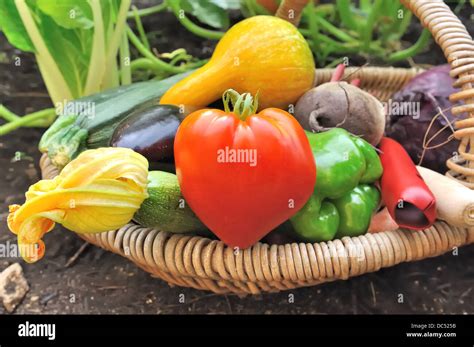
A bountiful harvest is one of the greatest joys of gardening, but it often comes with a challenge: what to do with a sudden glut of ripe produce? From an explosion of zucchini to a torrent of tomatoes, knowing how to preserve your seasonal treasures can extend the taste of summer long into the colder months. Here are some of the best tips for tackling those garden gluts efficiently and deliciously.
Embracing the Freezer: Your Quick-Fix Solution
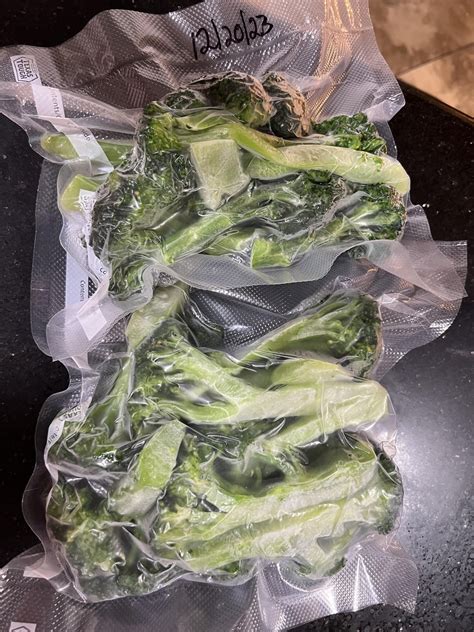
Freezing is perhaps the easiest and most versatile method for preserving many garden vegetables and fruits, requiring minimal special equipment beyond freezer-safe containers or bags. It’s perfect for capturing the fresh flavor of your harvest.
- Berries and Stone Fruits: Wash, pat dry, and spread in a single layer on a baking sheet to freeze solid. Once frozen, transfer to freezer bags or containers. This prevents clumping and makes it easy to grab just what you need for smoothies, pies, or sauces.
- Tomatoes: For sauces and soups, simply core and cut tomatoes into quarters, then freeze them on a tray. Once solid, transfer to bags. The skins will slip right off when thawed. You can also make and freeze purées or sauces directly.
- Zucchini and Summer Squash: Grate or slice and blanch briefly before freezing to maintain texture. Alternatively, shred and freeze for baking into breads and muffins.
- Herbs: Chop fresh herbs and mix with a little olive oil or water, then freeze in ice cube trays. Once solid, pop them out and store in a freezer bag for instant flavor in cooking.
The Art of Canning and Jarring: Shelf-Stable Delights
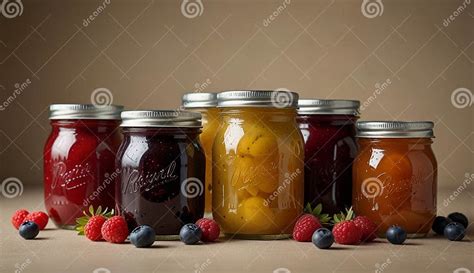
Canning and jarring offer a more permanent solution, creating shelf-stable goods that can last for years. While it requires more initial effort and specific equipment (canners, jars, lids), the reward of a pantry stocked with homemade preserves is immense.
- Jams, Jellies, and Preserves: Ideal for fruit gluts like berries, peaches, plums, and apples. Mastering pectin use and proper sealing techniques is key to success.
- Pickles: Cucumbers, green beans, dilly carrots, and even pickled onions are fantastic ways to preserve vegetables. Acid (vinegar) and salt are your allies here.
- Tomato Sauces and Salsas: Turn an abundance of tomatoes into jars of marinara, passata, or spicy salsa. Always follow tested recipes to ensure proper acidity for safe water bath canning.
Dehydrating for Long-Lasting Flavor and Snacks
Dehydrating removes water content from food, concentrating its flavors and significantly extending its shelf life. A food dehydrator is helpful, but an oven on its lowest setting or even sun-drying (in hot, dry climates) can work.
- Fruit Leathers and Dried Fruit: Perfect for apples, pears, berries, and even overripe bananas. Great for healthy snacks or adding to granola.
- Dried Herbs: Hang bunches of herbs in a dry, dark place or use a dehydrator. Once brittle, crumble and store in airtight containers.
- Sun-Dried Tomatoes: Slice tomatoes thinly, season, and dry until leathery. Store in olive oil or airtight containers.
Beyond the Basics: Pickling, Fermenting, and Infusing
Lacto-Fermentation for Gut Health
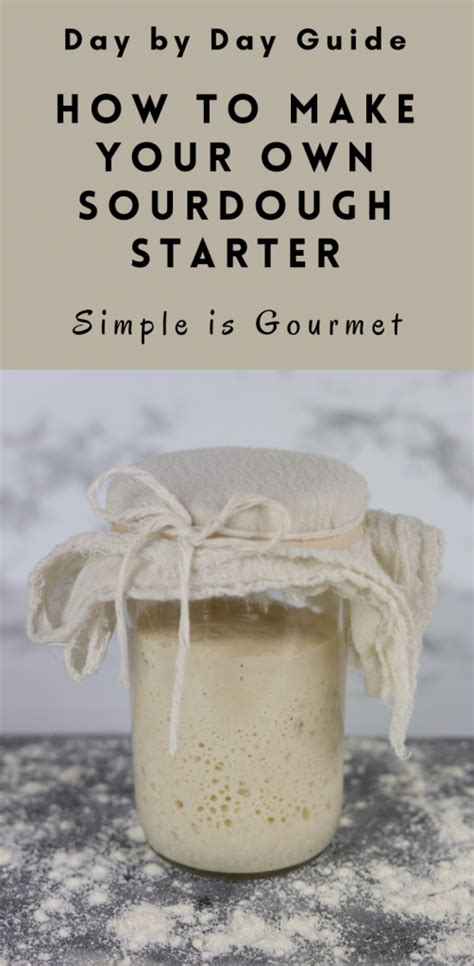
Fermenting vegetables like cabbage (sauerkraut), cucumbers (fermented pickles), or a mix of root vegetables introduces beneficial probiotics and creates unique, tangy flavors. It’s a simple process that requires salt, water, and time.
Vinegar and Oil Infusions
Infuse vinegars with herbs like rosemary, thyme, or garlic for salad dressings. Create herb-infused oils (use caution with fresh garlic in oil, as it poses a botulism risk; store garlic oil in the fridge and use quickly, or blanch garlic first).
General Tips for Preserving Success
- Batch Process: Set aside dedicated time to process large quantities. It’s often more efficient than doing small amounts repeatedly.
- Label Everything: Include the item and the date preserved. You’ll thank yourself later!
- Stock Up on Supplies: Jars, lids, freezer bags, and labels are essential. Buy them before the glut hits.
- Follow Tested Recipes: Especially for canning, using scientifically tested recipes from reputable sources (like university extensions) is crucial for food safety.
- Don’t Be Afraid to Share: If you truly have more than you can preserve, share your bounty with neighbors, friends, or local food banks.
Preserving your garden’s bounty is a rewarding skill that reduces food waste, saves money, and provides delicious, homegrown goodness throughout the year. With a little planning and effort, those overwhelming garden gluts can become a source of culinary joy.