




What are your best tips for cooking real food in basic country kitchens?

Venturing into a country cottage or a rustic Airbnb often means trading modern culinary conveniences for the charm of a simpler kitchen. While a sleek, fully-equipped kitchen might be the norm at home, cooking ‘real food’ – fresh, wholesome, and delicious – in a basic country kitchen can be incredibly rewarding. It forces creativity, resourcefulness, and a deeper connection to ingredients. Here are some of the best tips to make your culinary adventures in a basic country kitchen a success.
Embrace the Essentials: Less is More
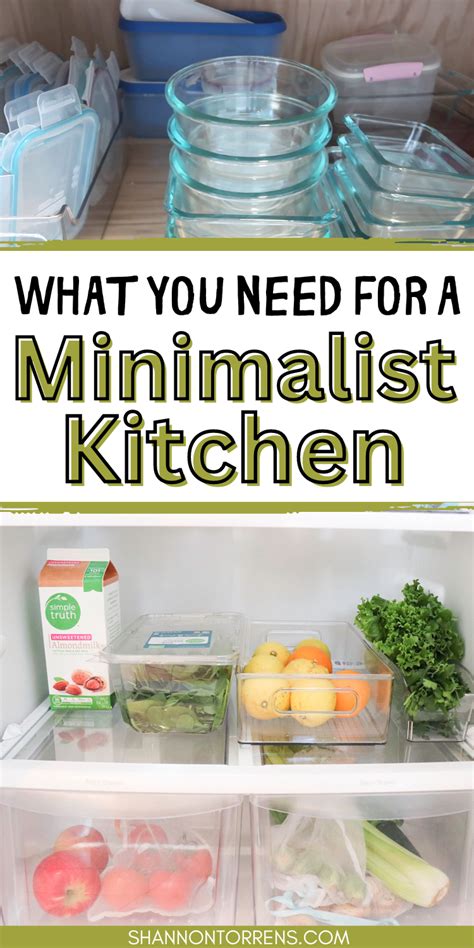
Basic country kitchens typically come with foundational tools: a few pots and pans, basic utensils, a cutting board, and perhaps a small oven or stovetop. Instead of lamenting what’s missing, embrace what’s there. Focus on multi-purpose tools like a good chef’s knife, a sturdy cast-iron pan (if available), and a versatile pot. You don’t need a gadget for everything; often, a fork can whisk, and a mug can measure. Plan meals that require minimal specialized equipment.
Prioritize Fresh, Local Ingredients
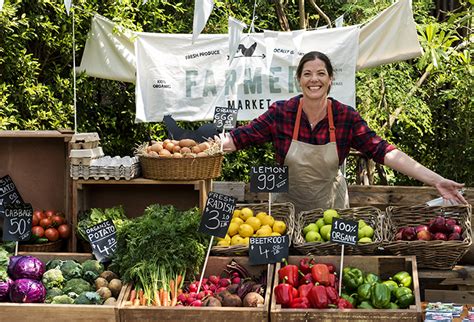
This is where country cooking truly shines. With fewer pantry staples or exotic spices, the quality of your primary ingredients becomes paramount. Seek out local farmers’ markets, roadside stands, or even a neighbor’s garden. Fresh vegetables, fruits, eggs, and local meats will provide incredible flavor without the need for complex preparations. A simple dish made with peak-season produce will always outperform an elaborate one made with mediocre ingredients.
Master Simple, Versatile Techniques
Forget sous-vide or molecular gastronomy. In a basic kitchen, grilling, roasting, sautéing, and boiling are your best friends. These techniques require minimal equipment and can transform fresh ingredients into delectable meals. Learn how to properly sear a piece of meat, roast vegetables until caramelized, or make a hearty soup from scratch. These foundational skills are your strongest assets.
Creative Pantry Management
Before you even start cooking, take stock of the existing pantry. You might find salt, pepper, a basic oil, or even some flour. Supplement these with a few key items from your travels: a good quality olive oil, some dried herbs (rosemary, thyme, oregano are versatile), garlic, onions, and perhaps a small amount of vinegar or lemon for brightness. Don’t overbuy; focus on items that can be used across multiple meals.
One-Pot Wonders and Sheet Pan Meals
When cooking space is limited and cleanup is a concern, one-pot or one-pan meals are invaluable. Soups, stews, frittatas, and roasted chicken with vegetables all fall into this category. They are not only easy to prepare but also minimize the number of dishes you’ll need to wash – a significant advantage when the sink is small and the dishwasher is non-existent.

Embrace the Imperfection and Enjoy the Process
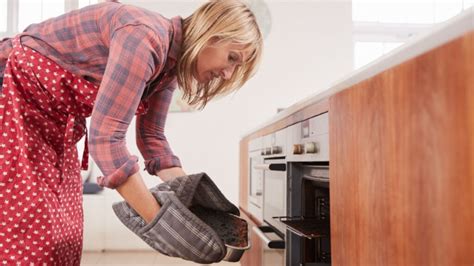
Cooking in a basic country kitchen isn’t about perfection; it’s about the experience. The slightly uneven heat from an older stove, the simple satisfaction of chopping vegetables on a wooden board, or the aroma of a stew simmering slowly – these are the moments to savor. It’s an opportunity to slow down, appreciate the craft of cooking, and connect with your food in a way that modern kitchens often don’t allow.
Ultimately, cooking real food in a basic country kitchen is an exercise in mindful simplicity. By focusing on fresh ingredients, mastering fundamental techniques, and being resourceful with your tools, you’ll discover that some of the most memorable and delicious meals can be created in the most unassuming of settings. It’s not just about feeding yourself; it’s about immersing yourself in the authentic charm of country living.