




What are your best tips for maintaining a strong sourdough starter weekly?
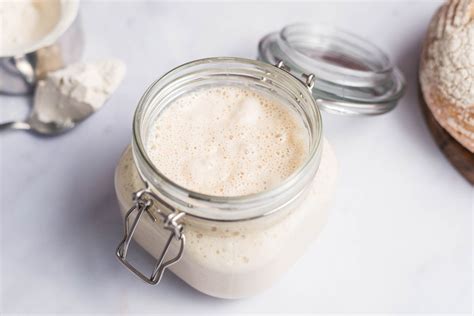
Maintaining a strong and vibrant sourdough starter is the cornerstone of successful sourdough baking. A well-cared-for starter, often referred to as a “pet,” will consistently deliver the leavening power and complex flavors you desire in your bread. While it might seem daunting at first, establishing a weekly routine makes starter maintenance a simple and rewarding task. Here are our best tips to keep your sourdough starter robust and ready for action week after week.
Consistency is King: Establishing Your Feeding Schedule
The most crucial aspect of maintaining a strong starter is regular feeding. For a starter kept at room temperature, daily feeding is ideal. If you bake less frequently, you can store your starter in the refrigerator and feed it once a week. The key is consistency. Choose a time each week (or day) and stick to it. Before feeding, always discard a portion of your starter—this prevents it from becoming too acidic and ensures you have enough “food” for the active microbes.
Mastering the Ideal Feeding Ratio
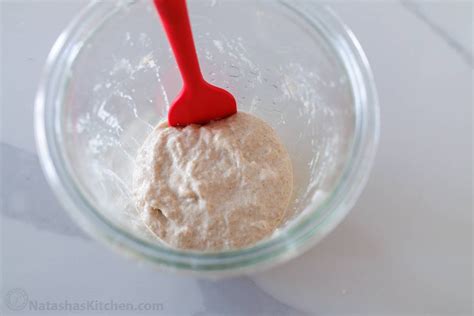
The standard feeding ratio is 1:1:1 (starter:water:flour by weight). This means if you keep 50g of starter, you would feed it with 50g of water and 50g of flour. However, you can adjust this ratio based on your starter’s activity and the temperature of your kitchen. A ratio of 1:2:2 or even 1:3:3 can be used if you need to slow down its activity or if your kitchen is very warm. Always use unbleached bread flour or all-purpose flour and filtered water (chlorine can inhibit yeast activity).
Temperature Matters: Finding the Sweet Spot
Temperature significantly impacts your starter’s activity. A warmer environment (around 75-80°F or 24-27°C) will make your starter more active and rise faster, while a cooler environment will slow it down. If your kitchen is cold, try placing your starter in a warmer spot, like on top of your refrigerator, in an oven with just the light on, or in a proofing box. Conversely, if it’s too warm, it might become over-fermented quickly, leading to a very sour taste.
Recognizing a Healthy and Active Starter
A strong sourdough starter exhibits several tell-tale signs:
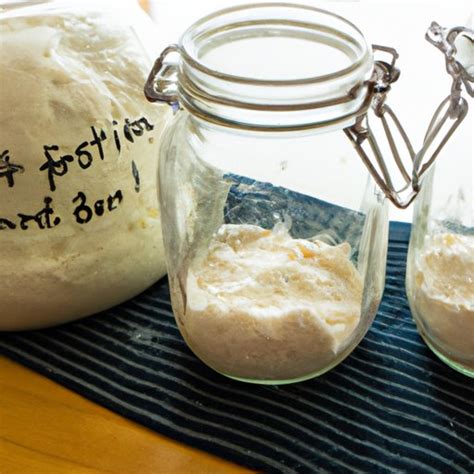
- Activity: It will double or triple in size after feeding, usually within 4-12 hours depending on temperature and feeding ratio.
- Bubbles: You’ll see numerous small and large bubbles throughout the starter, especially on the surface and sides of the jar.
- Aroma: It should have a pleasant, slightly sweet, yeasty, and mildly acidic aroma, similar to ripe fruit or beer. A strong, vinegary smell indicates it’s hungry or over-fermented.
- Texture: It should be light, airy, and somewhat stringy when stirred.
If your starter is sluggish, try a few consecutive feedings at a warmer temperature with a 1:1:1 ratio.

Managing Discard and Refrigeration
Don’t throw away your sourdough discard! It’s a fantastic ingredient for pancakes, waffles, crackers, muffins, and more. When you’re not baking frequently, storing your starter in the refrigerator is a great way to reduce feeding frequency. Feed your starter, let it become active for a couple of hours at room temperature, and then place it in the fridge. When you’re ready to bake, pull it out, feed it once or twice at room temperature to revive its activity, and then use it.

Troubleshooting Common Starter Issues
Even with the best intentions, starters can sometimes be temperamental.
- Sluggish Starter: If it’s not rising well, try feeding it more frequently (12-hour intervals) for a few days, ensure it’s in a warmer spot, and use a strong bread flour.
- Hooch: A dark liquid on top indicates hunger. Stir it in (it adds flavor) and feed your starter more frequently or with a higher ratio of flour.
- Mold: This is the one true sign of a dead starter. If you see fuzzy, colored spots (green, black, orange), discard the entire batch and start fresh. Never try to salvage a moldy starter.

By following these weekly maintenance tips, you’ll cultivate a robust, reliable sourdough starter that consistently performs, bringing the joy of artisan bread-making into your home. Happy baking!