




What are your best tips for packing real food on a rural road trip?

Embarking on a rural road trip offers unparalleled freedom and the chance to discover hidden gems. However, unlike urban adventures, finding healthy, real food options in remote areas can be a significant challenge. Fast food or convenience store snacks might be readily available, but they rarely provide the nourishment needed for sustained energy. Packing your own real food ensures you stay healthy, energized, and budget-conscious throughout your journey. It’s all about smart planning and strategic packing.
Plan Your Meals Meticulously
The foundation of successful real food packing is thorough planning. Before you even think about groceries, map out your route and estimate the number of meals and snacks you’ll need between potential resupply points. Consider the duration of your trip, the number of people traveling, and any dietary restrictions or preferences.
Think beyond just main meals. Snacks are crucial for maintaining energy levels during long drives or impromptu hikes. Focus on versatile ingredients that can be used for multiple dishes to minimize waste and maximize space in your cooler and pantry box. A well-thought-out meal plan will save you time, stress, and money on the road.
Master the Art of Cold Storage
A high-quality cooler is your ultimate ally for keeping real food fresh. Invest in a well-insulated cooler that can hold ice for several days. Pack it strategically: place frozen water bottles (which double as drinking water later) or solid ice packs at the bottom. Layer items that need to stay coldest, like raw meats or dairy, directly on the ice.
To maximize efficiency, consider using a separate, smaller cooler for drinks. This reduces the frequency of opening your main food cooler, helping to maintain its internal temperature. Always keep your cooler out of direct sunlight, preferably inside the vehicle or under a tarp when parked, to prolong the life of your ice and food.

Prioritize Non-Perishables and Easy-to-Eat Snacks
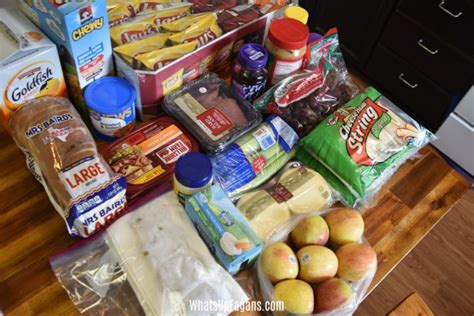
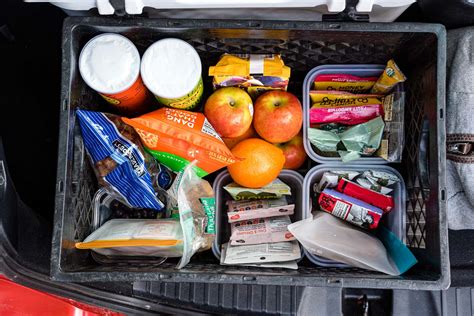
While fresh produce and meats are desirable, a significant portion of your road trip provisions should consist of shelf-stable items. Think nuts, seeds, dried fruits, granola bars, whole-grain crackers, and canned goods like tuna, chicken, or beans (opt for pull-tab cans for convenience). Sturdy fruits and vegetables such as apples, oranges, carrots, and bell peppers also travel well.
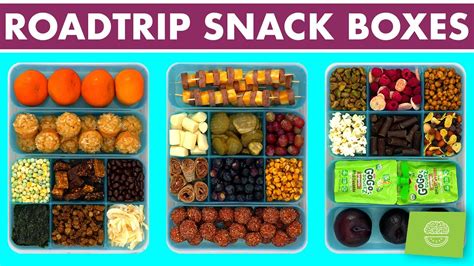
For snacks, focus on items that are easy to grab and eat with minimal mess. Pre-portioned cheese sticks, hard-boiled eggs, hummus with pre-cut veggies, or whole-wheat tortillas are excellent choices. These options provide sustained energy without requiring plates or cutlery, making pit stops quick and efficient.

Prep Ahead for Maximum Convenience
The less cooking and chopping you have to do on the road, the more time you’ll have to enjoy the scenery. Dedicate time before your trip to wash and chop all vegetables, pre-cook grains like quinoa or rice, and even prepare simple sauces or dressings. Cook and portion meats if your trip is short, or plan for simple, quick-cook proteins.
Store all pre-prepped ingredients in airtight, reusable containers, clearly labeled for easy identification. This not only keeps food fresh and prevents spills but also transforms meal assembly on the road into a quick and enjoyable task rather than a chore. Think of it as your mobile, ready-to-assemble kitchen.
Don’t Forget Hydration and Hygiene
Staying hydrated is crucial, especially when exploring rural landscapes where access to potable water might be limited. Pack large reusable water bottles or a substantial water jug, and consider bringing electrolyte packets to replenish minerals, particularly if you plan on hiking or being active. Dehydration can quickly sap your energy and enjoyment.
Equally important is maintaining proper hygiene. Pack essential items like hand sanitizer, wet wipes, paper towels, and biodegradable soap for dishwashing. Food safety is paramount: keep raw meats separate from other foods, clean all surfaces that come into contact with food, and always have trash bags to dispose of waste responsibly. Remember the golden rule: pack it in, pack it out.
With a little foresight and smart packing strategies, your rural road trip doesn’t have to mean compromising on healthy, delicious, real food. Embrace the planning process as part of the adventure, and you’ll be well-fueled to explore every hidden corner and breathtaking vista your journey unfolds.