




What are your best tips for preserving excess garden bounty in recipes?
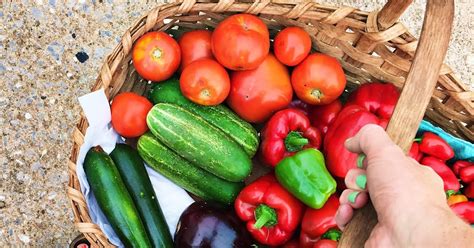
A successful garden brings immense joy, but also a glorious, sometimes overwhelming, abundance of fresh produce. Transforming this bounty into shelf-stable ingredients or ready-to-use meals is not just economical; it’s a deeply satisfying way to extend the harvest and enjoy your garden’s flavors throughout the year. Here are some of the best tips for preserving your excess garden bounty directly into recipes or recipe-ready forms.
Freezing for Future Feasts
Freezing is arguably the easiest and most versatile method for preserving many types of produce, retaining much of their flavor and nutritional value. For vegetables like green beans, broccoli, and corn, blanching them briefly in boiling water before an ice bath and then freezing on a sheet pan helps maintain their color, texture, and flavor, preventing them from becoming mushy when thawed. These can then be added directly to stir-fries, casseroles, or side dishes.
Fruits, especially berries, peaches, and cherries, can be frozen whole on a baking sheet before transferring to freezer bags. This prevents clumping and allows you to grab just what you need for smoothies, baked goods, or sauces. You can also create fruit purees for future jams, jellies, or dessert bases.
Beyond raw produce, freezing prepared foods is a game-changer. Think about making large batches of tomato sauce, pesto (without cheese if freezing for longer), vegetable stock, or even roasted vegetable purees. Portion these into freezer-safe containers or bags, and you’ll have instant bases for countless meals later on, from pasta dishes to hearty soups.
Canning and Pickling: Old Methods, New Flavors
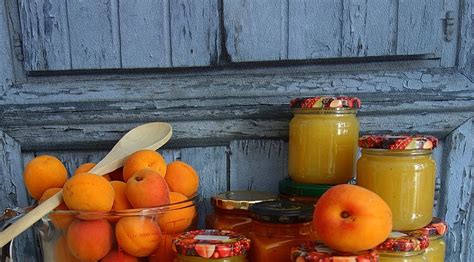
Canning allows you to store produce at room temperature for extended periods, making it a fantastic option for preserving a large harvest. Water bath canning is suitable for high-acid foods like fruits, jams, jellies, pickles, and tomatoes. Imagine having homemade strawberry jam for toast in winter or tangy dill pickles to accompany your summer barbecue.
For low-acid vegetables such as green beans, corn, or potatoes, pressure canning is essential to ensure safety and prevent spoilage. This method opens up a world of possibilities for ready-to-eat vegetables or stew components. Additionally, pickling and fermenting offer unique flavor profiles. Pickled beets, carrots, or even fermented sauerkraut and kimchi not only preserve vegetables but also add probiotic benefits and a zesty punch to your meals.

Drying and Dehydrating: Concentrated Goodness
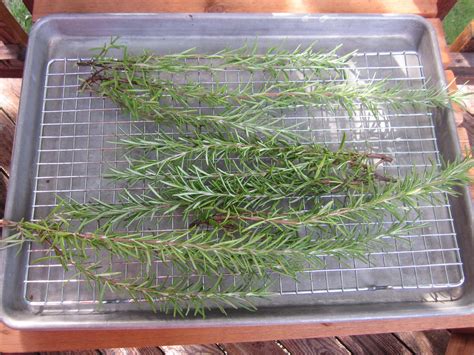
Drying removes moisture, concentrating the flavors of your garden bounty. This method is perfect for herbs like basil, oregano, thyme, and rosemary. Simply hang them to dry or use a dehydrator, then crush and store them in airtight containers. Dried herbs are far more flavorful than store-bought varieties and can be used in almost any savory dish.
Fruits like apples, pears, and plums can be sliced thin and dehydrated for healthy snacks or added to trail mix and oatmeal. You can also make fruit leathers from pureed fruit, a delicious and kid-friendly treat. Sun-dried tomatoes, made from your own garden tomatoes, are a culinary delight, adding intense umami to pastas, salads, and sandwiches.
Infusions and Oils: Aromatic Extracts
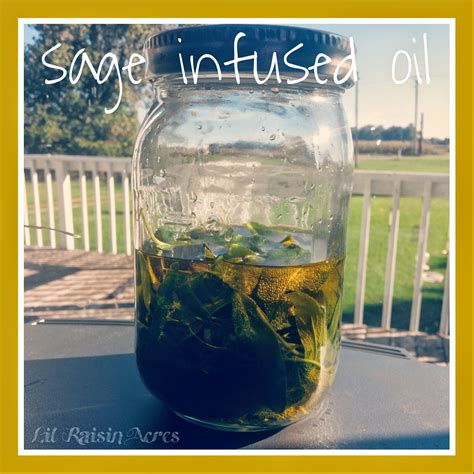
Beyond direct food preservation, you can capture the essence of your garden through infusions. Herb-infused vinegars (like tarragon or basil vinegar) and oils (such as garlic-rosemary oil) make excellent additions to salad dressings, marinades, or simply for drizzling over dishes. Just ensure proper safety guidelines are followed, especially with oils, to prevent bacterial growth.
Flavored salts and sugars are another creative way to preserve and enhance. Infuse sugar with lavender or rose petals for baking, or create savory salts with dried chili flakes, citrus zest, and herbs for rubs and seasoning blends. These make wonderful gifts too!
Creative Recipe Ideas for Preserved Goods
The real magic happens when you integrate your preserved bounty into daily cooking. Frozen pureed pumpkin or squash can become the base for creamy soups or pies. Canned tomatoes are the backbone of countless Italian dishes. Dehydrated mushrooms can be rehydrated and added to risottos or gravies, while dried herbs elevate almost any savory meal. Get creative with your preserved goods and experiment with new flavor combinations.
Consider making large batches of chili with your canned beans and tomatoes, or a winter stew filled with your frozen root vegetables. Bake muffins with frozen berries or fruit purees. Your preserved garden bounty isn’t just about survival; it’s about culinary inspiration, allowing you to enjoy the peak flavors of summer and fall, no matter the season.
Preserving your garden’s excess is a rewarding endeavor that connects you more deeply to your food source. Whether you choose freezing, canning, drying, or infusing, each method offers a unique way to enjoy your hard work long after the growing season has ended. Embrace the bounty and savor the flavors of your garden year-round!