
What are your best tips for sourcing fresh, local ingredients while camping or rural traveling?
Embrace Local Flavors on Your Next Adventure
One of the great joys of camping and rural traveling is the opportunity to truly immerse yourself in the local culture, and there’s no better way to do that than through food. Moving beyond packaged meals and supermarket chains allows you to savor the freshest ingredients, support local economies, and create unforgettable culinary memories. But how do you reliably source these treasures when you’re off the beaten path? Here are our best tips for finding delicious, local fare wherever your journey takes you.
Strategic Planning and Packing
A successful local food adventure begins before you even hit the road. A little foresight can significantly enhance your chances of finding culinary gems.
Research Your Route
- Farmers Markets: Use websites like LocalHarvest.org or simply Google “farmers markets near [town name]” for your planned stops. Note down opening days and times, as they often vary.
- Farm Stands & CSAs: Look for U-pick farms, roadside stands, or even Community Supported Agriculture (CSA) programs that offer visitor pickups along your route.
- Local Shops: In smaller towns, the independent butcher, bakery, or general store is often your best bet for local specialties.
Pack Smart
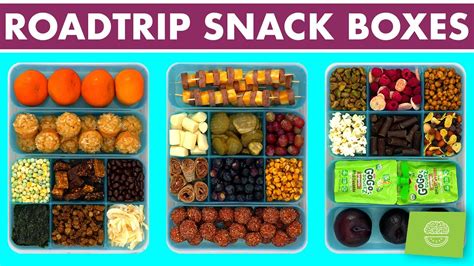
- Cooler & Ice: A good quality cooler is non-negotiable for keeping fresh produce, meats, and dairy safe. Consider a dual-zone cooler if space allows.
- Reusable Bags & Containers: Be prepared to carry your haul from markets, and bring containers for storing leftovers or fragile items like berries.
- Basic Cooking Essentials: Beyond your camping stove, think about a sharp knife, cutting board, peeler, and basic spices.
Where to Find Local Gems on the Go
Once you’re on the road, keep your eyes peeled and your senses open. Local food sources are often right under your nose.
Farmers Markets: Your Primary Hub
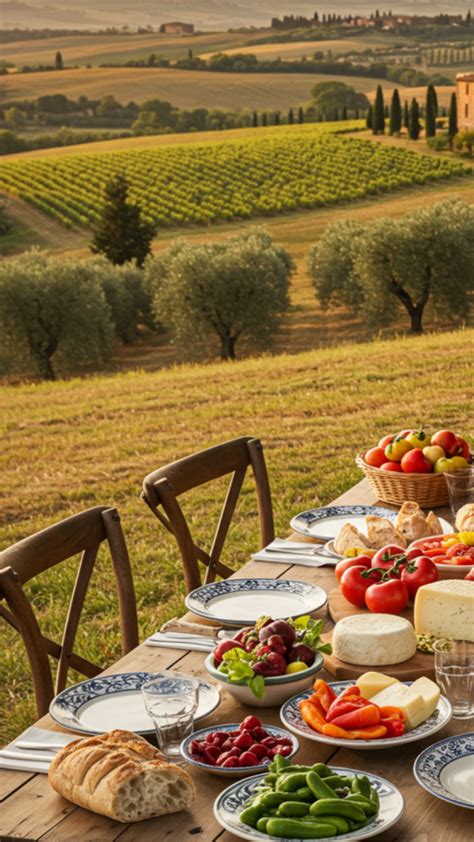
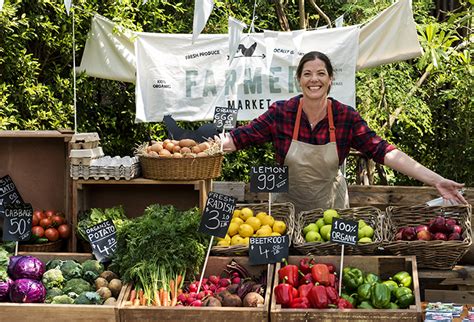
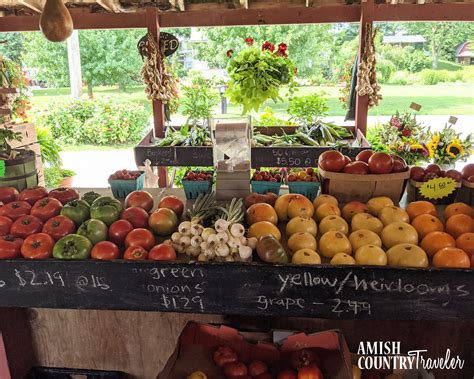
These are the absolute gold standard for fresh, local ingredients. Arrive early for the best selection, especially if you’re looking for specialty items. Don’t be shy about asking vendors for cooking tips or storage advice; they are often the growers themselves and a wealth of information.
Roadside Stands and Farm Gates
These informal setups are common in rural areas, offering seasonal produce, eggs, or even homemade jams on an honor system. Look for hand-painted signs or small tables overflowing with goods. This is where you’ll often find the freshest, straight-from-the-farm items that never make it to bigger markets.
Local Butcher Shops and Bakeries
In quaint towns, these establishments are often community staples. A local butcher can provide cuts of meat from nearby farms, while a small bakery might offer artisanal breads or pastries made with local grains or fruit.
What to Look For and How to Engage
Knowing what’s available and how to interact with local purveyors can make all the difference.
Prioritize Seasonal Produce
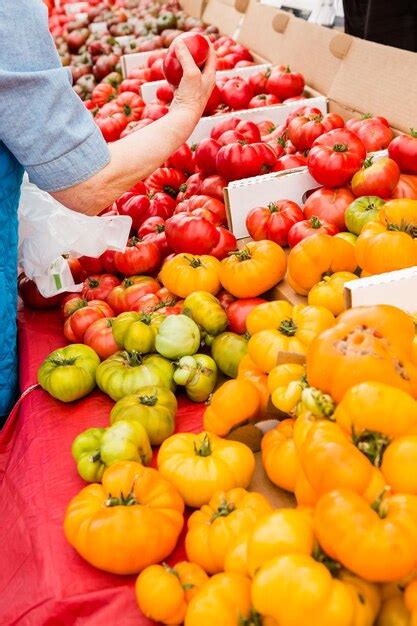
Embrace the rhythm of the region. Focus on fruits and vegetables that are in season, as they will be at their peak flavor and most readily available. This adds an element of delightful spontaneity to your menu.
Seek Out Local Specialties
Every region has its unique culinary identity. Keep an eye out for local cheeses, honey, artisanal breads, homemade jams, or even regional meat products. These are fantastic for enhancing your meals and make great souvenirs.
Talk to the Locals
The best tips often come from those who live there. Strike up conversations with campground hosts, gas station attendants, or restaurant staff. They can point you towards hidden gems, the best fishing spots, or a farm stand you might otherwise miss.
Food Safety First
Always prioritize food safety, especially when dealing with fresh, unpackaged items. Wash all produce thoroughly, keep perishables properly chilled, and cook meats to safe temperatures. When in doubt, it’s always better to err on the side of caution.
Conclusion: Savor the Journey, Taste the Region
Sourcing fresh, local ingredients while camping or rural traveling isn’t just about feeding yourself; it’s about enriching your entire travel experience. It connects you directly to the land, the people, and the unique flavors of each place you visit. So, next time you hit the road, make it a culinary adventure – your taste buds (and the local economy) will thank you!