



What are your go-to real food recipes for preserving the harvest?

Embracing the Abundance: Real Food Harvest Preservation
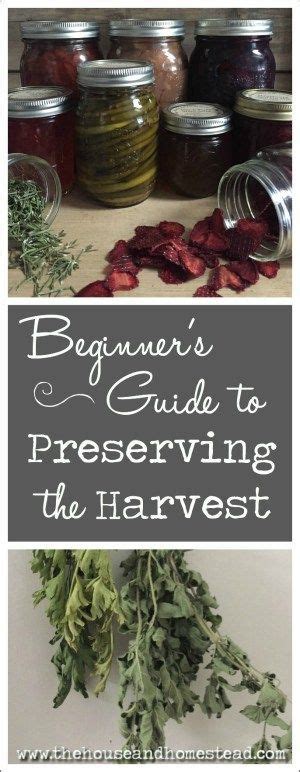
As the growing season culminates, our gardens and local markets burst with a vibrant bounty. Preserving this harvest isn’t just about preventing waste; it’s about extending the flavors of peak season, ensuring nutritious food for colder months, and connecting more deeply with our food sources. For those committed to real food principles, the methods of preservation are as wholesome as the produce itself. Forget artificial additives and excessive sugars; these go-to real food recipes focus on natural methods that highlight the inherent goodness of your yield.
Canning: Sealing in Summer’s Essence
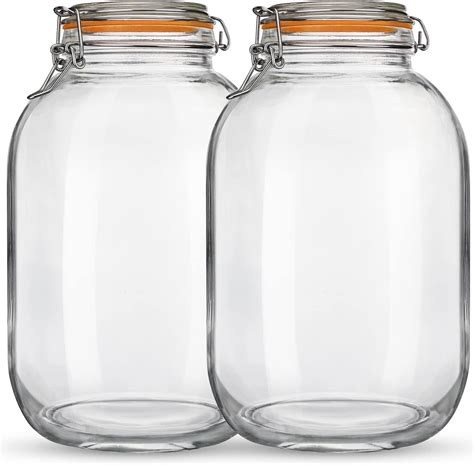
Canning is perhaps the most iconic method of food preservation, transforming perishable produce into shelf-stable jars of deliciousness. From tangy pickles to sweet jams and robust sauces, the possibilities are endless. Always follow tested recipes and proper sterilization techniques for safety.
Classic Dilly Beans
A perennial favorite, dilly beans are crisp, tangy, and perfect as a snack or side dish. They’re an excellent way to preserve green beans that are often abundant.
- Ingredients: Fresh green beans, white vinegar, water, pickling salt, dill heads (or seeds), garlic cloves, optional red pepper flakes.
- Method: Trim and wash beans. Pack tightly into sterilized pint jars with garlic, dill, and pepper flakes. Bring vinegar, water, and salt to a boil. Pour hot brine over beans, leaving 1/2-inch headspace. Process in a boiling water canner according to altitude and jar size guidelines.
Homemade Tomato Sauce with Garden Herbs
Transform bushels of ripe tomatoes into rich, flavorful sauce that forms the base of countless winter meals. This method allows you to control salt and sugar content, making it truly real food.
- Ingredients: Ripe tomatoes, onions, garlic, fresh basil, oregano, salt, pepper.
- Method: Core and quarter tomatoes, then simmer with chopped onions, garlic, and herbs until softened. Pass through a food mill or blend for desired consistency. Simmer until thickened. Ladle hot sauce into sterilized jars, leaving appropriate headspace, and process in a boiling water canner.
Freezing: Simplicity and Speed for Busy Kitchens
Freezing is arguably the easiest and quickest way to preserve most fruits and vegetables while retaining much of their flavor, texture, and nutritional value. Blanching is key for many vegetables to halt enzyme action.

Blanched Green Beans or Broccoli Florets
Perfect for quick weeknight meals, frozen blanched vegetables are incredibly versatile.
- Method: Wash and trim vegetables. Blanch in boiling water for a specified time (e.g., 2-3 minutes for green beans, 3 minutes for broccoli). Immediately plunge into an ice bath to stop cooking. Drain thoroughly, pat dry, and spread in a single layer on baking sheets to freeze solid. Transfer to freezer bags or containers, removing as much air as possible.
Berry Puree or Whole Berries
Preserve summer’s sweet berries for smoothies, desserts, or sauces.
- Method: Wash and dry berries. For whole berries, spread on a baking sheet and freeze solid before transferring to freezer bags. For puree, blend berries (with a touch of lemon juice if desired) and freeze in ice cube trays or freezer-safe containers.
Dehydrating: Concentrated Flavors and Light Storage
Dehydration removes moisture, concentrating flavors and making foods incredibly lightweight and shelf-stable. It’s excellent for fruits, herbs, and even vegetables for soups and stews.
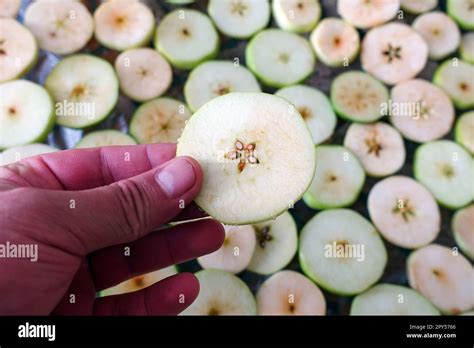
Dried Apple Rings or Fruit Leather
A healthy, natural snack that’s easy to make.
- Method: Wash, peel (optional), core, and slice apples thinly. Dip in lemon water to prevent browning. Arrange in a single layer on dehydrator trays. Dry until pliable but not sticky. For fruit leather, blend fruit puree and spread thinly on solid dehydrator sheets.
Herb Blends and Sun-Dried Tomatoes
Preserve the aromatic essence of your herb garden or the intense flavor of sun-ripened tomatoes.
- Method: Wash and thoroughly dry herbs. Place on dehydrator trays or hang in bundles in a warm, dry, airy place until brittle. Crumble and store in airtight containers. For tomatoes, slice thinly and dry until leathery.
Fermentation: Probiotic Powerhouses for Gut Health
Fermentation is an ancient preservation technique that not only extends shelf life but also enhances nutritional value by introducing beneficial probiotics. It requires minimal equipment and is wonderfully hands-on.
Homemade Sauerkraut
Simple to make and incredibly beneficial for gut health, sauerkraut is a staple in real food kitchens.
- Ingredients: Cabbage, non-iodized salt.
- Method: Shred cabbage finely. Massage with salt until it releases enough brine to submerge itself. Pack tightly into a clean jar, ensuring all cabbage is submerged under the brine. Use a weight to keep it down. Seal loosely or use an airlock. Ferment at room temperature for 1-4 weeks, then transfer to cold storage.
Quick Pickled Carrots or Radishes
While not a long-term fermentation, quick pickling offers a tangy, probiotic-rich crunch that’s ready in just a few days.
- Ingredients: Sliced carrots or radishes, water, vinegar, salt, optional spices (dill, mustard seeds).
- Method: Pack vegetables into jars. Combine water, vinegar, and salt (and spices) and bring to a boil. Pour hot brine over vegetables. Allow to cool, then refrigerate for at least 24 hours before enjoying.

Embrace the Art of Preservation
Preserving the harvest with real food recipes is a rewarding journey that connects you to your food, reduces waste, and stocks your pantry with wholesome goodness. Whether you choose the timeless art of canning, the convenience of freezing, the intensity of dehydrating, or the health benefits of fermentation, each method empowers you to enjoy the flavors of the season long after it has passed. Experiment, find your favorites, and savor the satisfaction of a well-preserved bounty.