What behind-the-scenes tip saves time creating ‘farm-to-table’ recipe content?
The Secret Sauce: Strategic Sourcing and Batch Content Creation
Creating compelling ‘farm-to-table’ recipe content is a labor of love, celebrated for its authenticity and connection to local producers. However, the very essence of this niche—seasonal ingredients, direct farmer relationships, and an emphasis on freshness—can make the content creation process incredibly time-consuming. The biggest behind-the-scenes tip to save time isn’t just one action, but a two-pronged strategy: establishing robust, direct sourcing relationships and implementing a rigorous batch content creation workflow.
Build Direct Relationships with Farmers and Producers
One of the most significant time sinks in farm-to-table content is the hunt for quality, in-season ingredients. Instead of last-minute trips to multiple markets or hoping specific items are available, cultivate direct relationships with local farmers and producers. This means more than just knowing their names; it means understanding their harvest schedules, communicating your needs in advance, and potentially even visiting their farms.
By building these connections, you gain predictable access to the freshest produce. Farmers can give you a heads-up on what’s coming into season, allowing you to plan your recipes and content calendar weeks or even months in advance. This foresight eliminates frantic last-minute ingredient scrambles and ensures your content truly reflects what’s available locally and seasonally.
Batching for Maximum Efficiency: Cook, Shoot, Write
Once you have a reliable ingredient stream, the next crucial step is to batch your content creation tasks. Think of it like a culinary assembly line. Instead of creating one recipe from start to finish (sourcing, cooking, photographing, writing, editing) and then repeating the entire cycle, group similar tasks together.
Plan Your Cooking Sessions
- Ingredient Prep: On one day, wash, chop, and portion ingredients for several recipes.
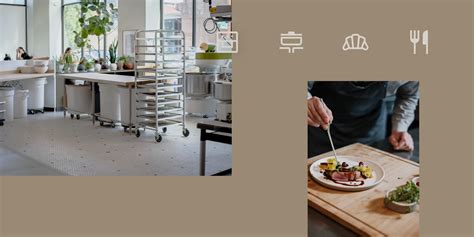
- Cooking Day: Dedicate a full day to cooking multiple dishes. Choose recipes that might share oven temperatures or stovetop space. For example, bake two different seasonal tarts while a stew simmers, or prepare multiple components that can be assembled into different finished dishes later.
Streamline Your Photography
Set up your photography station once and shoot multiple dishes in succession. Utilize consistent lighting (natural light is ideal if available) and props. Photograph ingredients, in-process shots, and final plated dishes for several recipes on the same day. This saves immense time compared to breaking down and setting up your shoot environment for each individual recipe.
Dedicate Writing and Editing Blocks
Once the cooking and photography are done, dedicate specific blocks of time solely to writing recipe instructions, crafting engaging narratives about the ingredients and farmers, and editing photos. Switching between creative modes (cooking, styling, writing) is mentally taxing and inefficient. By separating these tasks, you allow your brain to focus and achieve a higher quality output in less time.
Leverage Your Local Network for Storytelling
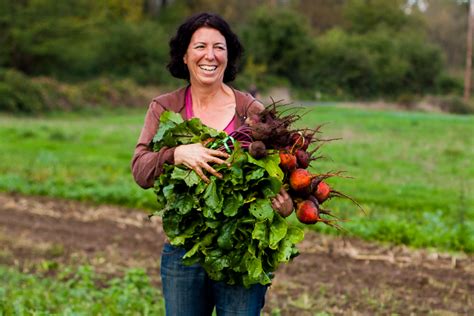
These direct farmer relationships not only save time on sourcing but also provide a wealth of authentic storytelling material. Documenting the farm visits, the farmers themselves, and the journey of the food from soil to plate can be integrated into your content. This adds depth and integrity, further engaging your audience without requiring entirely separate content creation efforts. A simple interview or a few candid shots during an ingredient pickup can enrich multiple recipes.
The Compound Effect of Consistency
Implementing strategic sourcing and batch content creation isn’t a one-off fix; it’s a sustainable workflow that compounds over time. The more you work with specific farmers, the more streamlined your communication becomes. The more you batch, the faster and more efficient your process gets. This allows you to produce a higher volume of authentic, high-quality farm-to-table recipe content with significantly less stress and wasted effort.