What BTS tips make rustic cooking or garden-to-table processes feel authentic, not staged?

In an age where visual content reigns supreme, the charm of rustic cooking and the garden-to-table movement has captured countless imaginations. Yet, translating these earthy, authentic experiences into compelling visuals without them feeling staged or artificial is a significant challenge. The goal isn’t just to show a beautiful dish or a bountiful harvest, but to convey the genuine story, the labor of love, and the simple beauty of real life unfolding. So, what are the behind-the-scenes secrets to achieving this elusive authenticity?
Embrace the Imperfections
True rustic living isn’t about picture-perfect symmetry or pristine surfaces. It’s in the slightly crooked carrot, the smudge of soil on a fresh-picked tomato, or the well-worn cutting board bearing the marks of countless meals. Allowing these natural imperfections to be visible, rather than meticulously hiding them, immediately signals authenticity. Show the varied shapes of hand-picked vegetables, the occasional stray leaf, or even a hand with a bit of flour dust. These elements are not flaws; they are badges of genuineness.
Resist the urge to over-clean or over-polish everything. A slightly chipped ceramic bowl or an aged wooden spoon tells a story that a brand-new, sterile prop simply cannot. The aim is to capture a moment as it naturally exists, not as a meticulously arranged still-life.
Focus on the Process, Not Just the Product
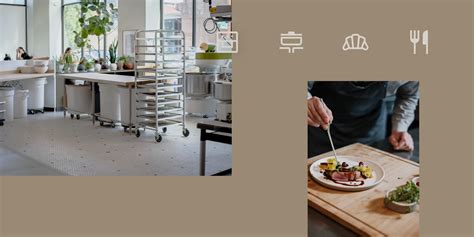
The journey from seed to plate is inherently authentic. Instead of just presenting the finished meal, dedicate significant screen time to the ‘how’. This could involve scenes of hands digging in the soil, gently plucking herbs, washing freshly gathered produce, or the rhythmic chop of vegetables on a wooden board. These actions create a narrative and invite the viewer into the experience, making them feel like a participant rather than just an observer.
Capture the candid moments of preparation: the concentration on a face while kneading dough, the steam rising from a simmering pot, or the quiet satisfaction of harvesting. These “in-between” moments are often more powerful than the final glamour shot, grounding the content in reality and showing the true effort involved.

Leverage Natural Light and Settings
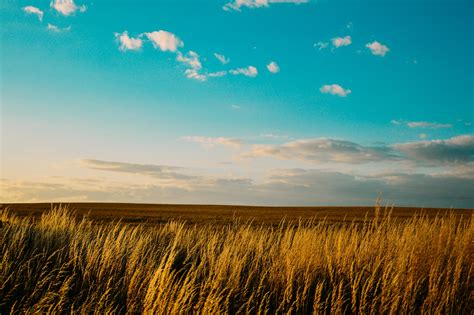
Artificial studio lighting can often strip away the natural warmth and texture inherent in rustic scenes. Whenever possible, utilize natural light – whether it’s the soft glow from a kitchen window, the dappled sunlight filtering through garden leaves, or the golden hour light hitting a outdoor cooking setup. Natural light tends to be more forgiving and creates a genuine, inviting atmosphere.
Furthermore, shoot in the actual environment where the magic happens. If it’s garden-to-table, show the garden. If it’s rustic cooking, capture the real kitchen or outdoor fire pit. These authentic backdrops add layers of context and credibility that cannot be replicated by a sterile set. The subtle nuances of a real environment – the texture of stone, the grain of wood, the ambient sounds – all contribute to the feeling of authenticity.
Engage All Senses Through Visuals
While content is visual, the best authentic content subtly hints at other senses. Think about how to visually convey the crunch of a fresh vegetable, the warmth of a baking loaf, or the earthy scent of damp soil. This might involve close-up shots of steam rising, textured ingredients, or dynamic cuts that imply sound. For instance, showing a knife slicing through a crisp vegetable implies a satisfying crunch, making the viewer feel more immersed.

Texture plays a huge role. Highlight the rough skin of a potato, the velvety surface of a ripe peach, or the rich crumb of homemade bread. These tactile details elevate the visual experience from flat to palpable, drawing the audience deeper into the authenticity of the moment.
Prioritize Candid Over Posed
The quickest way to make something feel staged is to over-pose it. For authentic content, embrace a more documentary-style approach. Capture genuine reactions, spontaneous movements, and unscripted moments. This might mean filming a bit longer to catch those unexpected gems, or simply being ready to shoot without over-directing your subjects.
Whether it’s a child curiously examining a snail in the garden, a friend laughing while stirring a pot, or the quiet moment of reflection over a freshly prepared meal, these candid instances are what truly resonate. They provide glimpses into the human element, connecting viewers to the emotion and reality of the experience.

Ultimately, making rustic cooking and garden-to-table processes feel authentic comes down to a fundamental respect for reality. It’s about celebrating the natural order, accepting imperfections, and telling the complete story—not just the highlight reel. By focusing on the process, embracing natural elements, and prioritizing genuine moments over polished perfection, content creators can craft visuals that truly connect with an audience, making every rustic bite and garden harvest feel as real and heartfelt as it truly is.