What daily chores involve kids in real food and country living tasks?

Cultivating Connection: Why Involve Kids in Country Living Chores?
In an increasingly digital world, connecting children with the tangible realities of where their food comes from and how a home functions is more vital than ever. Country living, or even embracing homesteading principles in a suburban setting, offers countless opportunities to teach kids invaluable life skills, foster a deep appreciation for nature, and build a strong family unit through shared responsibility. Far from being mere drudgery, these daily chores can become engaging lessons in biology, economics, and self-sufficiency.
Growing Our Own Food: The Garden
The garden is perhaps the most direct link to real food. Involving children from seed to harvest teaches them patience, the wonder of growth, and the effort required to produce food. Simple tasks are often the most effective.
- Planting Seeds and Seedlings: Kids love digging in the dirt. Giving them their own small plot or a few pots to plant beans, sunflowers, or cherry tomatoes teaches them the basics of cultivation.
- Watering: A daily ritual, watering helps children understand plant needs and the responsibility of care. Even toddlers can manage a small watering can.
- Weeding: While not the most glamorous, weeding can be turned into a game of identifying ‘good’ vs. ‘bad’ plants. Older children can learn about different types of weeds and their impact.
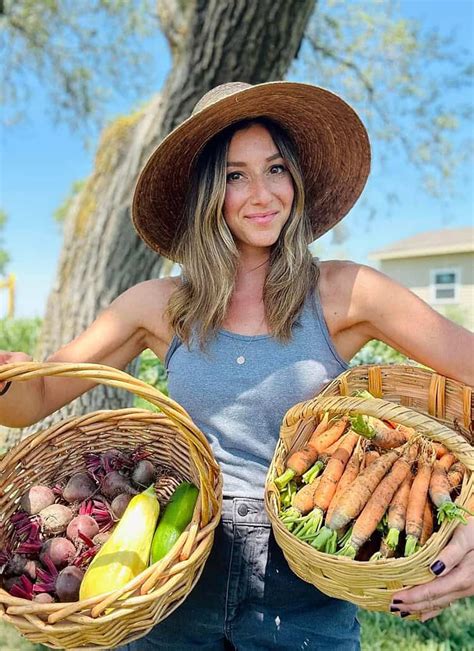
- Harvesting: This is the ultimate reward! Picking ripe berries, pulling carrots, or gathering eggs (if you have chickens) provides instant gratification and a direct connection to their food source. They see their hard work literally bear fruit.
- Composting: Teaching children about composting turns kitchen scraps into a valuable resource, closing the loop on food waste and enriching the garden soil.
From Farm to Table: Food Preparation
Once food is harvested or purchased, preparing it is the next crucial step. Involving children in the kitchen reinforces healthy eating habits and practical culinary skills.
- Washing and Preparing Produce: Simple tasks like washing vegetables, tearing lettuce for a salad, or snapping green beans are perfect for younger hands.
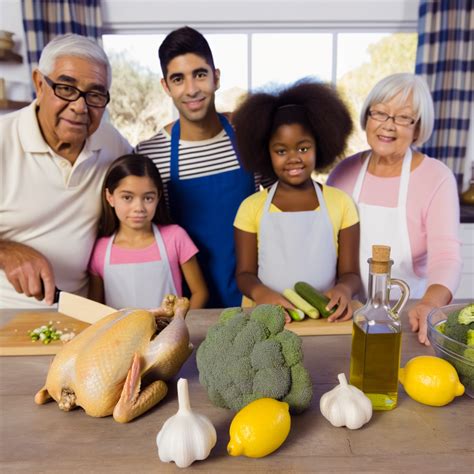
- Basic Cooking Skills: As they grow, kids can learn to chop vegetables safely (with supervision), stir ingredients, measure, and follow simple recipes. Making bread from scratch, baking cookies, or preparing a family meal together are invaluable experiences.
- Food Preservation: If country living involves preserving the harvest, kids can help with tasks like pitting fruit for jam, shelling peas for freezing, or even stirring a batch of apple butter. This teaches them about seasonality and reducing waste.
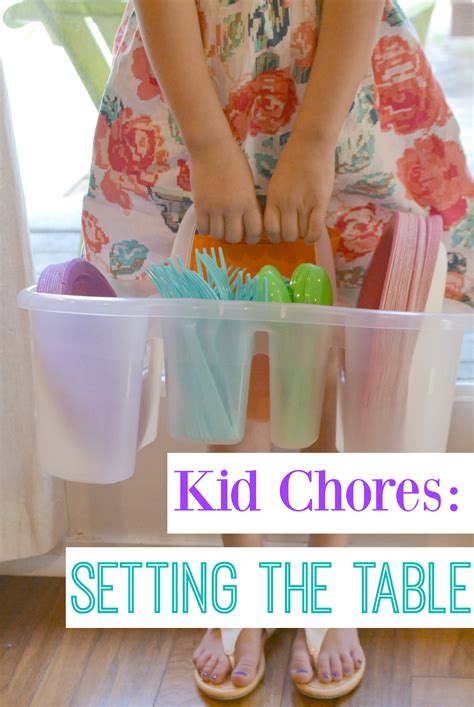
- Setting the Table & Doing Dishes: These fundamental chores teach responsibility and contribute directly to the family meal routine.
Nurturing Our Animals: Pet & Livestock Care
If your country living involves animals, they provide some of the most profound lessons in empathy, routine, and responsibility.
- Feeding Animals: Whether it’s the family dog, barn cats, chickens, or goats, children can be responsible for daily feeding routines.
- Collecting Eggs: For families with chickens, collecting eggs is a delightful daily treasure hunt, connecting kids directly to where their breakfast comes from.
- Cleaning Coops/Pens: Older children can help with the less glamorous but essential task of cleaning animal habitats, understanding the full cycle of animal care.
- Grooming Pets: Brushing a dog or cat, or even a larger animal, teaches gentle care and observation skills.

Maintaining Our Home & Land
Country living often involves more extensive home and land maintenance than urban life, providing unique chore opportunities.
- Yard Work: Raking leaves, weeding flower beds, sweeping patios, or helping to plant trees gives children a sense of contributing to the beauty and order of their surroundings.
- Gathering Firewood: If you heat with wood, collecting, stacking, or even just carrying smaller logs can be a robust chore for older children, teaching them about energy sources and physical work.
- Basic Household Repairs: Learning to change a lightbulb, unclog a drain, or use a screwdriver for minor fixes are practical skills that build confidence and self-reliance.
- Laundry: From sorting clothes to folding and putting them away, laundry is a universal chore that teaches organization and independence.

The Heart of It All: Why It Matters
Involving kids in these real food and country living tasks goes far beyond simply getting chores done. It instills a sense of purpose, develops problem-solving abilities, and fosters a deep respect for the natural world and the effort required to sustain life. They learn the value of hard work, develop patience, and gain an understanding of interconnected systems. By making these chores a shared family endeavor, punctuated with conversation and appreciation, you’re not just raising helpful children—you’re nurturing capable, resilient, and deeply connected individuals ready to face the world with practical skills and a grounded perspective.