What DIY method best preserves garden herbs for winter cooking?
Bringing Garden Freshness to Winter Kitchens
As the vibrant growing season wanes, the thought of cooking without fresh, aromatic herbs can be daunting for any home gardener. Fortunately, several simple and effective DIY methods can help you capture the essence of your summer garden, preserving its bounty for flavorful winter cooking. The “best” method often depends on the type of herb and its intended use, as each technique excels at maintaining specific qualities.
Drying: A Timeless Preservation Technique
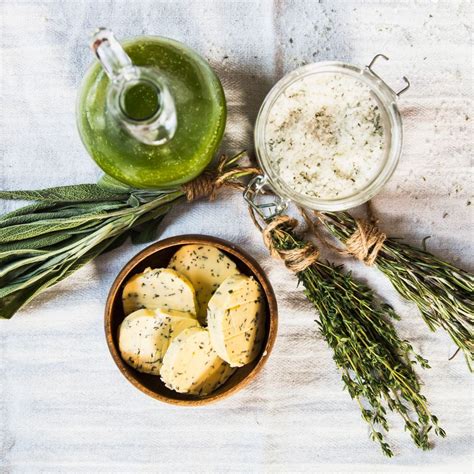
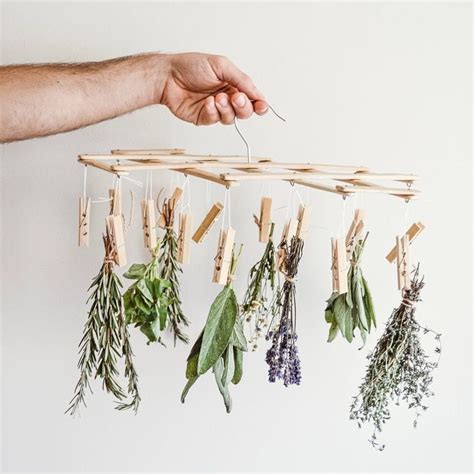
Drying is perhaps the oldest and most straightforward method for preserving herbs, particularly those with lower moisture content and robust leaves. Herbs like oregano, thyme, rosemary, bay leaves, and sage dry beautifully and retain much of their potent flavor. You can air-dry by hanging small bundles in a warm, well-ventilated area away from direct sunlight. For a quicker process, a food dehydrator offers controlled heat and airflow, or a low oven setting can also be used with caution.
Dried herbs are excellent for long-term storage, taking up minimal space, and intensifying in flavor, making them ideal for stews, roasts, and marinades. Once fully dry and brittle, crumble them and store in airtight containers in a cool, dark place.
Freezing: Capturing Freshness
For tender-leaved herbs such as basil, parsley, cilantro, dill, chives, and mint, freezing is often superior to drying for preserving their vibrant color and fresh flavor. Drying these herbs can often result in a significant loss of aroma and a muted color. Freezing helps to maintain their essential oils and delicate texture.
Popular Freezing Methods:
- Herb Cubes in Oil or Water: Chop herbs finely and pack them into ice cube trays. Cover with olive oil or water and freeze. Once solid, transfer the cubes to freezer bags. These are perfect for adding directly to soups, sauces, or sautéed dishes.
- Chopped and Bagged: Simply chop herbs, spread them in a single layer on a baking sheet to flash freeze, then transfer to freezer-safe bags. This method works well for herbs you plan to add to dishes during cooking.
- Pesto or Herb Paste: For basil and parsley, making pesto (without cheese for longer freezer life) or a simple herb paste with olive oil is an excellent way to preserve their fresh taste. Portion into small containers or ice cube trays before freezing.

Infusing: Flavorful Liquids for Culinary Use
While not a direct method of preserving the physical herb, infusing herbs into vinegars or oils is a fantastic way to capture their flavor for salad dressings, marinades, and cooking. Robust herbs like rosemary, thyme, oregano, and even garlic and chili peppers work wonderfully for infused oils and vinegars. Always ensure herbs are completely dry before infusing in oil to prevent botulism risk. Store infused oils in the refrigerator and use within a few weeks, or choose a vinegar infusion for longer pantry stability.

The Best Method Depends on the Herb and Dish
Ultimately, the “best” DIY method for preserving garden herbs for winter cooking is a combination approach. Robust, woody herbs like rosemary and thyme shine when dried, their flavors concentrating to provide depth to slow-cooked meals. Delicate, leafy herbs such as basil and cilantro retain their bright, fresh notes best when frozen, perfect for finishing dishes or incorporating into quick sauces.
For most home cooks, a combination of drying some herbs and freezing others in ice cube trays or as pesto offers the greatest versatility and ensures a continuous supply of homegrown flavor throughout the colder months. Experiment with different methods to discover which best suits your specific herbs and culinary preferences, transforming your winter kitchen with the taste of summer.