
What DIY method effectively composts kitchen scraps for garden soil?
Transforming kitchen scraps into nutrient-rich compost is one of the most rewarding DIY projects for any gardener. Not only does it divert waste from landfills, but it also creates a powerful, organic amendment that drastically improves soil structure, fertility, and water retention. Finding the right method depends on your space, time commitment, and the types of scraps you generate. Let’s explore several effective DIY composting techniques.
The Unseen Benefits of Composting Kitchen Scraps
Composting isn’t just about waste reduction; it’s about creation. By turning your daily food waste into ‘black gold,’ you provide your garden with a slow-release fertilizer packed with essential microbes and nutrients. This strengthens plant immunity, reduces the need for chemical fertilizers, and contributes to a healthier, more vibrant ecosystem in your backyard.

Understanding Composting Fundamentals
Regardless of the method, successful composting hinges on a balanced mix of ‘greens’ and ‘browns,’ moisture, and aeration. Greens (nitrogen-rich) include fruit and vegetable scraps, coffee grounds, and fresh grass clippings. Browns (carbon-rich) consist of dry leaves, shredded newspaper, cardboard, and wood chips. A general ratio of 1 part green to 2-3 parts brown is ideal. Avoid composting meat, dairy, oily foods, and diseased plants, as these can attract pests and create odors.
Popular DIY Composting Methods for Kitchen Scraps
1. Hot Composting: The Speedy Approach
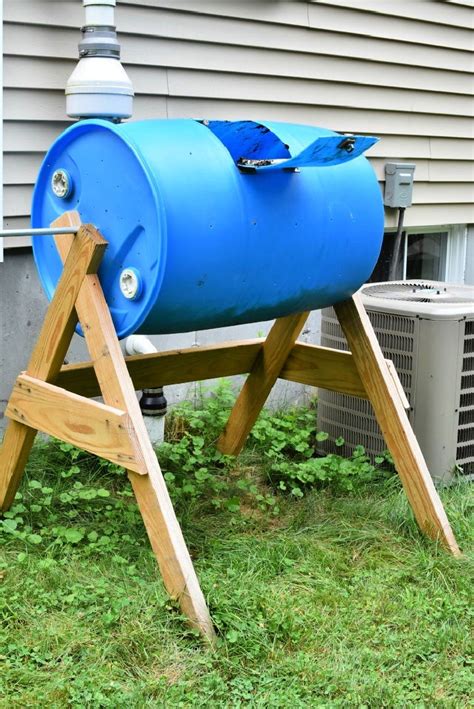
Hot composting is for those who want quick results, often yielding finished compost in a few weeks to months. It requires a more active approach, maintaining a large pile (at least 3x3x3 feet) and regularly turning it to introduce oxygen. The key is to achieve and maintain internal temperatures between 130-160°F (55-70°C), which breaks down materials rapidly and kills weed seeds and pathogens. This method is excellent for larger volumes of kitchen scraps mixed with garden waste.

2. Cold Composting: Low-Effort Simplicity
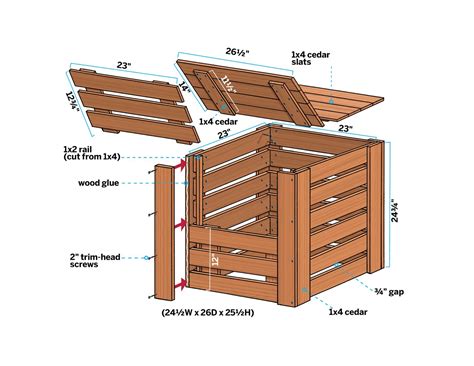
Also known as passive composting, this method is the easiest but also the slowest. Simply pile up your kitchen scraps and other organic materials in a designated corner of your yard or a simple bin. There’s no turning required, and decomposition relies on natural processes over several months to a year. While less labor-intensive, it’s crucial to still observe the greens-to-browns ratio to prevent odors and ensure eventual breakdown.
3. Vermicomposting: Worm Power
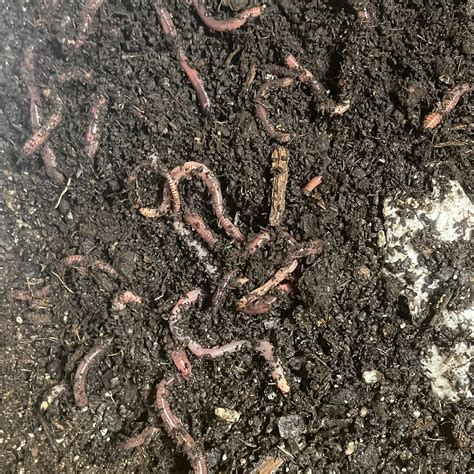
Ideal for small spaces, apartments, or those with limited outdoor areas, vermicomposting uses specialized composting worms (like red wigglers) to break down organic matter. Worm bins are compact and can be kept indoors or outdoors, provided temperatures are mild. Worms efficiently convert kitchen scraps (excluding citrus, onions, and spicy foods in large quantities) into nutrient-rich castings, which are an exceptional soil amendment. It’s a clean, odorless process when done correctly.
4. Bokashi Composting: Fermentation First
Bokashi is a unique anaerobic (oxygen-free) fermentation method that uses a special bran inoculated with beneficial microbes. You layer kitchen scraps (including meat and dairy, which most other methods exclude) with the Bokashi bran in a sealed bucket. After a couple of weeks of fermentation, the pickled scraps are then buried directly in the garden soil or added to a traditional compost pile to finish decomposing. This method is excellent for breaking down a wider variety of food waste.
Choosing the Right Method for Your Garden
Consider your available space: hot composting requires a dedicated area for a pile or large bin, while vermicomposting and Bokashi are excellent for small patios or indoors. Your time commitment also plays a role; hot composting demands regular attention, whereas cold composting is hands-off. Finally, think about the types of scraps you produce. If you have significant amounts of meat or dairy waste, Bokashi might be your best bet. For general fruit and veggie scraps, a simple cold or hot pile works wonderfully.
Troubleshooting Common Composting Problems
- Odors: Usually indicates too many greens, too much moisture, or lack of aeration. Add more browns, turn the pile, and ensure good drainage.
- Pests: Often attracted by meat, dairy, or uncovered food scraps. Bury food waste deep in the pile, avoid problematic items, or use a pest-proof bin.
- Slow Decomposition: Can be due to a lack of nitrogen (greens), insufficient moisture, or too little aeration. Adjust your greens/browns ratio, moisten the pile (it should feel like a wrung-out sponge), and turn it regularly.
Applying Your Nutrient-Rich Compost
Once your compost is dark, crumbly, and smells earthy, it’s ready! Use it as a top dressing around plants, work it into garden beds before planting, or mix it with potting soil for containers. Compost improves soil structure, slowly releases nutrients, and helps suppress plant diseases, creating a thriving environment for your garden to flourish.

Embrace the Composting Journey
Composting kitchen scraps is a powerful step towards a more sustainable home and a healthier garden. By choosing the DIY method that best fits your lifestyle, you’ll not only reduce waste but also enrich your soil naturally, fostering a cycle of growth and renewal right in your own backyard. Start small, learn as you go, and enjoy the incredible benefits of homemade compost!