
What DIY methods best protect homegrown produce from pests in root cellar storage?
Understanding Root Cellar Pest Challenges
Storing homegrown produce in a root cellar is an ancient and effective method for preserving the harvest, extending the bounty of your garden well into the colder months. However, the cool, dark, and often humid environment that’s perfect for vegetables can also become an inviting haven for various pests. From rodents like mice and rats to insects such as slugs, beetles, and even fungi, these unwelcome guests can quickly decimate your carefully cultivated stores if not properly managed. Implementing proactive, DIY pest protection strategies is crucial to ensuring your efforts don’t go to waste.
The key to success lies in understanding the common culprits and creating a multi-layered defense system that deters pests before they become a problem. This involves a combination of meticulous preparation, smart storage techniques, natural deterrents, and vigilant monitoring. By taking a hands-on approach, you can maintain a safe and pest-free haven for your produce without relying on harsh chemicals.

Pre-Storage Preparations: The First Line of Defense
Before any produce enters your root cellar, thorough preparation is paramount. Begin by deep cleaning the cellar itself. Remove any old produce, debris, or lingering organic matter that could attract pests or harbor their eggs. Scrub walls, floors, and shelving with a stiff brush and a solution of water and vinegar or a mild, non-toxic disinfectant. Ensure the cellar is completely dry before introducing new produce, as moisture can encourage mold and mildew, which in turn attract certain pests.
Next, meticulously inspect every single item of produce before storage. Discard anything showing signs of damage, rot, or insect infestation. Even a small bruise or a single slug can quickly spread problems throughout your entire harvest. Root crops like potatoes, carrots, and beets should be brushed clean of excess soil but not washed, as moisture can lead to spoilage. Onions and garlic should be thoroughly cured in a warm, dry, well-ventilated area until their outer skins are papery and dry, making them less attractive to pests and more resistant to rot.
Smart Storage Techniques for Pest Exclusion
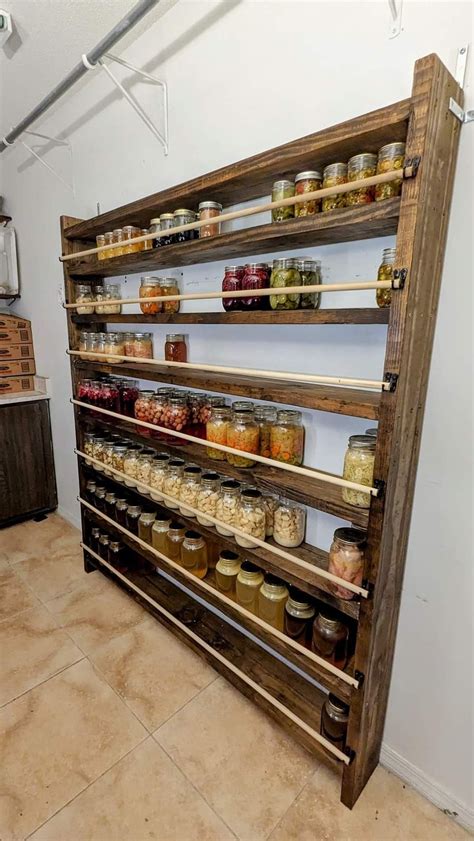
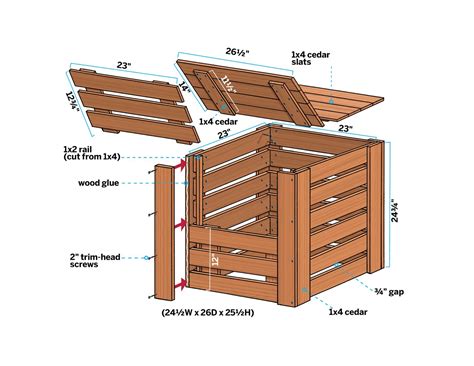
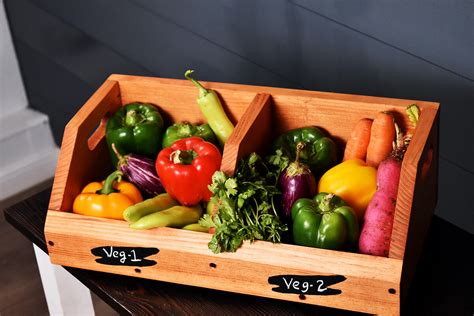
How you store your produce within the cellar plays a significant role in pest prevention. Good air circulation is vital; overcrowding can lead to stagnant air, increased humidity, and ideal conditions for fungal growth and some pests. Use slatted shelves, bins, or crates that allow air to flow around individual items. Keeping different types of produce separate can also limit the spread of potential issues. For example, storing apples and potatoes together can cause potatoes to sprout faster due to ethylene gas released by apples, making them more susceptible to pests.
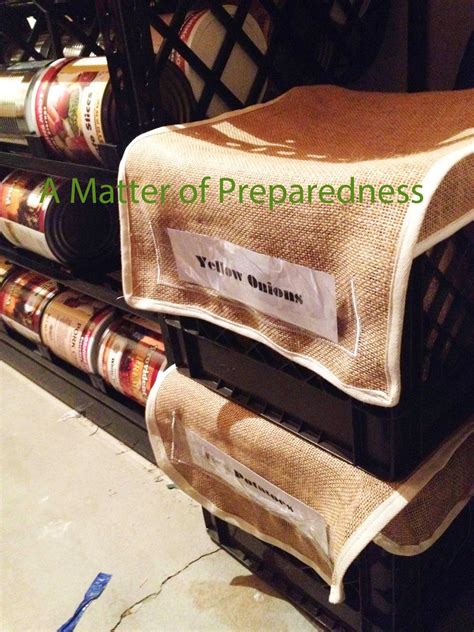
Invest in pest-proof containers where possible. For root vegetables, use bins filled with damp sand, sawdust, or peat moss to maintain humidity and prevent shriveling, ensuring these materials are fresh and pest-free. For items like onions, garlic, and squash, breathable mesh bags or hanging racks can be effective. Consider storing items susceptible to rodent damage, like nuts or dried fruits, in airtight metal or heavy plastic containers. Elevating storage bins off the floor can also deter ground-dwelling pests.
Natural Deterrents and Monitoring Systems
Beyond physical barriers, several natural DIY methods can help deter pests. Diatomaceous earth (food grade) is a highly effective, non-toxic powder that dehydrates insects on contact. Lightly dust it around the perimeter of your root cellar, along shelves, and even directly on some root crops (wash thoroughly before eating). Strong-smelling herbs like mint, bay leaves, or cloves can also act as natural repellents when placed strategically among your stored goods. Some gardeners swear by placing sachets of dried marigolds or chrysanthemums.
Regular monitoring is crucial. Make it a habit to inspect your root cellar at least once a week. Look for signs of pest activity such as droppings, gnaw marks, slime trails, or wilting/rotting produce. Set up simple traps if you suspect rodent activity – snap traps are effective and do not involve poisons that could contaminate your food. For slugs, shallow dishes of beer can act as an attractive and effective trap. Early detection allows you to address problems before they escalate.

Maintaining a Pest-Free Environment Long-Term
Sealing your root cellar effectively from the outside world is a critical, often overlooked, step. Inspect the foundation, walls, and ceiling for any cracks, gaps, or holes that could serve as entry points for rodents or insects. Use caulk, expanding foam, or fine mesh screening to seal these openings. Ensure that the door is tightly sealed and that any vents are covered with fine hardware cloth to allow airflow while keeping pests out. Regularly check these seals for wear and tear.
Practice good sanitation throughout the storage period. Promptly remove any produce that shows signs of spoilage or pest damage. Regularly sweep and clean the floor to remove crumbs or fallen produce that might attract pests. Consider a rotational storage system, where older produce is used first, preventing items from sitting too long and becoming overly susceptible to pests or rot. By consistently applying these DIY methods, you can create a robust defense system that protects your valuable homegrown harvest, ensuring a continuous supply of fresh, healthy produce.

Conclusion
Protecting your homegrown produce in root cellar storage from pests doesn’t require harsh chemicals or complex systems. By combining diligent pre-storage preparation, thoughtful organization, natural deterrents, and consistent monitoring, you can create a resilient, pest-resistant environment. These DIY methods empower you to safeguard your harvest naturally, ensuring your pantry remains stocked with fresh, wholesome food throughout the year, truly embodying the spirit of sustainable living and self-sufficiency.