




What easy homemade recipes teach kids real food skills?

In an age dominated by processed foods and digital entertainment, teaching children fundamental real food skills has never been more crucial. The kitchen is a vibrant classroom where kids can learn far more than just how to mix ingredients; they gain life skills that promote health, independence, and a greater appreciation for what they eat. Easy homemade recipes are the perfect entry point for nurturing these invaluable abilities.
Why Teach Kids Real Food Skills?
Involving children in the cooking process offers a wealth of benefits that extend beyond the plate. It’s about empowering them to make informed choices and build confidence. By actively participating, kids:
- Understand Nutrition Better: Seeing ingredients transform into a meal helps them connect food to their bodies’ needs.
- Develop Independence: Learning to prepare their own snacks or simple meals fosters self-reliance.
- Enhance Fine Motor Skills: Chopping, stirring, and measuring all contribute to developing dexterity.
- Boost Creativity and Problem-Solving: Experimenting with flavors and adapting recipes encourages innovative thinking.
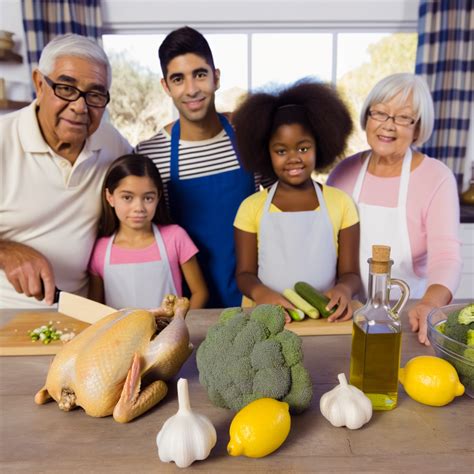
- Build Stronger Family Bonds: Cooking together creates cherished memories and opens avenues for communication.

Foundational Real Food Skills Learned Through Simple Recipes
Even the most basic recipes can be a treasure trove of learning opportunities. Here are some core food skills children naturally acquire:
- Measuring and Following Instructions: Understanding quantities and sequential steps is a vital life skill, not just for cooking.
- Ingredient Recognition: Identifying different vegetables, fruits, and pantry staples, and learning about their origins.
- Basic Knife Skills: With supervision, even young children can learn to safely chop soft ingredients using age-appropriate tools.
- Food Safety and Hygiene: Washing hands, understanding cross-contamination, and proper food storage become second nature.
- Sensory Exploration: Touching, smelling, and tasting different ingredients broadens their palate and reduces picky eating.
Easy Recipes to Start With
The key is to start simple and choose recipes where kids can be actively involved from start to finish. Here are a few ideas:
Breakfast Builders
Overnight Oats: Kids can measure oats, milk, chia seeds, and add their favorite fruits or sweeteners. Minimal cooking required, maximum customization.
Scrambled Eggs or Omelets: Cracking eggs, whisking, and adding cheese or veggies (with supervision at the stove) teaches fundamental cooking techniques.

Lunchtime Creations
Build-Your-Own Wraps/Pizzas: Preparing fillings like sliced cheese, veggies, and deli meats, then assembling their own creation, gives them ownership.
Homemade Soup (Simple Blended): Kids can wash and chop vegetables (soft ones), add them to a pot, and blend cooked ingredients for a healthy, comforting meal.
Dinner Delights
Pasta with Simple Sauce: Measuring pasta, stirring sauce, and adding cooked veggies are great entry-level tasks.
Sheet Pan Dinners: Chopping vegetables (potatoes, broccoli), tossing with oil and spices, and arranging on a sheet pan for roasting is incredibly satisfying.
Snack Time Sensations
Fruit Skewers: Washing, peeling (if needed), and cutting fruits, then threading them onto skewers builds fine motor skills.
Energy Balls (No-Bake): Mixing oats, nut butter, honey, and other add-ins, then rolling them into balls, is a fun, hands-on activity.

Tips for Cooking with Kids
To make the experience enjoyable and educational, remember a few key strategies:
- Patience is Key: Expect messes and take your time. The goal is learning, not perfection.
- Age-Appropriate Tasks: Assign tasks that match their developmental stage. Toddlers can wash veggies, older kids can measure and stir.
- Safety First: Teach knife safety, stove top awareness, and proper handwashing from the start.
- Make it Fun: Play music, tell stories, or turn it into a game.
- Empower Choice: Let them pick a recipe or an ingredient to include, fostering enthusiasm.

Beyond the Recipe: Life Lessons
When children learn to cook, they’re not just acquiring culinary techniques; they’re gaining invaluable life lessons. They learn about planning, budgeting for ingredients, the satisfaction of creating something from scratch, and the joy of sharing food with loved ones. These experiences build confidence, resilience, and a deep appreciation for the effort that goes into a meal, ultimately shaping them into more capable and conscious individuals.

So, next time you’re planning a meal, invite your kids into the kitchen. Start with something simple, embrace the process, and watch as they develop real food skills that will nourish them for a lifetime.