What essential homestead kitchen tools for real food cooking in a tiny cabin?

Embarking on a tiny cabin lifestyle, particularly one focused on real food and homesteading principles, presents a unique and rewarding culinary challenge. With limited space, every item in your kitchen must earn its keep, offering multi-functionality, durability, and efficiency. The goal isn’t just to cook, but to thrive sustainably, preparing nourishing meals from scratch without clutter or compromise.

The Philosophy of Tiny Kitchens: Less is More
The core principle for outfitting a tiny cabin kitchen is minimalism. This isn’t about deprivation, but about intentional selection. Prioritize tools that serve multiple purposes, are robust enough to last for years, and are easy to clean and store. Think natural materials, manual operation where possible, and items that contribute to a holistic, self-sufficient cooking experience. Opt for quality over quantity, as these tools will be your culinary companions for the long haul.
Essential Cooking & Prep Tools
The Workhorse: Cast Iron Skillet/Dutch Oven
A well-seasoned cast iron skillet (10-12 inches) and a cast iron Dutch oven are non-negotiable. They can fry, sauté, bake, roast, and even function as a bread oven. Their heat retention is excellent, they’re nearly indestructible, and they only get better with age.
Precision & Safety: Sharp Knife & Cutting Board
A single, high-quality chef’s knife (8-inch) paired with a sturdy wooden cutting board is fundamental. A sharp knife is safer and more efficient. Choose a wooden board for its resilience and natural antibacterial properties.
Manual Power: Hand Grinder/Food Mill
For grinding grains, making sauces, or milling corn, a hand-cranked grinder or food mill offers versatility without relying on electricity. These are invaluable for true homestead cooking.
Mixing & Measuring: Bowls & Spoons
A nested set of 2-3 stainless steel or enamel mixing bowls provides flexibility for various tasks. Supplement with a basic set of measuring cups and spoons for accurate recipe execution. A sturdy silicone spatula and a metal ladle round out your essential stirring and serving utensils.

Baking & Preservation Basics
Versatile Baking: Sheet Pan
One good quality baking sheet can be used for roasting vegetables, baking biscuits, or even drying herbs. Look for a sturdy, rimmed aluminum or stainless steel sheet.
Storage & Canning: Mason Jars
Mason jars are the ultimate multi-tasker. Use them for storing dried goods, canning preserves, drinking water, fermenting vegetables, or as makeshift measuring cups. A variety of sizes (pint, quart) will serve you well.
Water & Cleaning Efficiency
Water Management: Large Water Container & Filter
If you’re off-grid, a large, food-grade water container (5-gallon) for hauling and storing potable water is critical. Pair it with a reliable water filter system (gravity-fed or pump) for safe drinking and cooking.
Eco-Friendly Cleaning: Scrub Brush & Natural Soap
Minimizing waste means efficient cleaning. A good stiff-bristled scrub brush and a block of natural, biodegradable dish soap are perfect for keeping your few dishes clean without harsh chemicals or excessive water use.
Smart Storage Solutions
In a tiny cabin, every inch counts. Consider magnetic knife strips for wall storage, hanging pot racks, and tiered shelving units to maximize vertical space. Keeping your few essential tools organized and easily accessible prevents clutter and streamlines your cooking process.
Conclusion
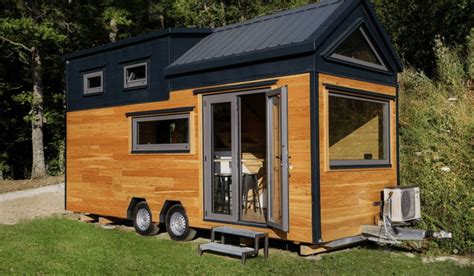
Equipping a tiny cabin kitchen for real food cooking isn’t about sacrificing culinary ambition; it’s about intelligent selection and embracing simplicity. By focusing on multi-functional, durable, and manually operated tools, you create a powerful yet compact kitchen that supports a nourishing, self-sufficient lifestyle. Each carefully chosen item becomes an extension of your commitment to real food and sustainable living, proving that great meals can indeed emerge from the smallest of spaces.