



What homemade pantry staples are essential for a week-long off-grid country cabin stay?

Embracing Self-Sufficiency with Homemade Provisions
Embarking on a week-long off-grid adventure in a country cabin presents a unique opportunity to disconnect and embrace self-reliance. While packing, the focus shifts from convenience to sustainability and robust flavors. Homemade pantry staples are not just about saving money; they’re about ensuring you have nutrient-dense, customizable ingredients that stand up to the rigors of travel and off-grid cooking, providing comfort and culinary delight far from civilization.
The Backbone of Breakfasts and Baked Goods
Starting your day right in an off-grid setting is paramount, and homemade mixes make it simple and satisfying. A pre-mixed jar of instant oatmeal or granola, perhaps with dried fruits, nuts, and a touch of brown sugar, provides a quick, warm meal. Similarly, a dry pancake or biscuit mix, requiring only the addition of water (or perhaps a locally sourced egg or milk if available), can transform mornings. Don’t forget a small amount of sourdough starter, kept active, for fresh bread or flatbreads if you’re ambitious and have access to an oven or campfire griddle.

Preserved Delights: Fruits, Vegetables, and Flavor
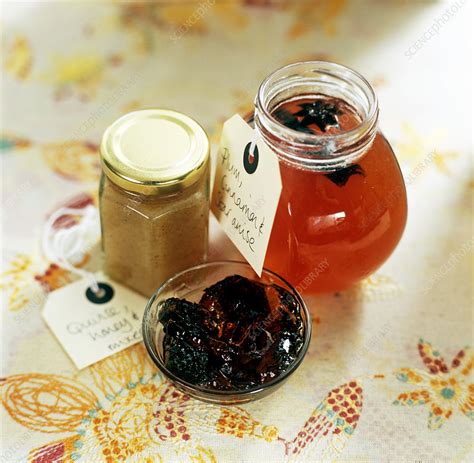
When refrigeration is limited, well-made preserves become your best friend. Jams, jellies, and fruit butters made from seasonal produce offer a sweet complement to breakfast or a quick snack. Pickled vegetables – think dilly beans, pickled onions, or sauerkraut – add a tangy crunch to any meal and are excellent for digestion. Dried fruits, such as apple slices, apricots, or berries, provide natural sweetness and energy, perfect for hiking snacks or adding to your morning cereal.
Hearty Proteins and Savory Bases
For more substantial meals, homemade protein sources are invaluable. Jerky, whether beef, turkey, or even mushroom, is a lightweight, high-protein snack or meal addition that requires no refrigeration. Pre-cooked and safely canned meats (if you have the equipment and expertise) can be a godsend, but simpler alternatives include pre-mixed lentil or bean bases seasoned with dried herbs. These form the foundation for stews, soups, or hearty salads, providing sustained energy throughout your day of exploring.
Flavor Enhancers: Broths, Spice Blends, and Sauces
Even basic ingredients can be elevated with the right flavorings. Dehydrated vegetable or bone broth mixes, or homemade bouillon cubes, are fantastic for adding depth to soups, grains, or as a warm drink. Curated spice blends – a taco mix, an Italian herb blend, or a warming curry powder – can transform simple cabin meals. Small jars of homemade shelf-stable condiments like a spiced fruit chutney or a robust barbecue sauce can also add a gourmet touch to your wilderness dining experience.

Sweet Treats and Comforting Beverages
No off-grid stay is complete without a little indulgence. Pre-made dry mixes for cookies or brownies, requiring only a few wet ingredients (like water, oil, or a collected egg), can provide a delightful dessert. Homemade hot cocoa mix, combined with powdered milk, offers a comforting evening drink. Don’t forget small packets of dried herbal teas from your garden, providing warmth and relaxation after a day of adventure.
Packing Smart for Your Off-Grid Kitchen
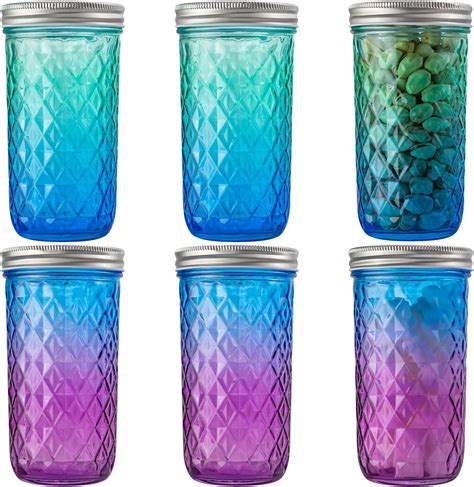
When preparing these staples, consider lightweight, durable packaging. Glass jars are excellent for preserves and mixes, but ensure they are well-protected during transit. Reusable, airtight bags are ideal for dried goods and spices. Label everything clearly with contents and any necessary cooking instructions. By investing time in preparing these homemade pantry essentials, you’re not just packing food; you’re packing self-sufficiency, flavor, and the joy of truly living off the land, even if just for a week.