

What natural DIY pest control works best for vegetable gardens?

Embracing Nature’s Solutions for a Thriving Vegetable Garden
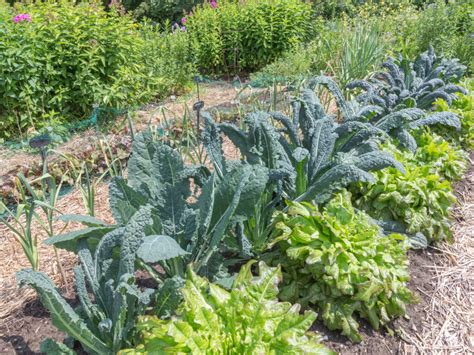
Cultivating a bountiful vegetable garden is a rewarding endeavor, but unwanted pests can quickly turn a dream harvest into a nightmare. Chemical pesticides, while effective, come with concerns about their impact on your health, the environment, and beneficial insects. Fortunately, a wealth of natural, DIY pest control methods exists, allowing you to protect your plants safely and sustainably. By understanding the biology of common garden pests and implementing smart preventative and reactive strategies, you can keep your vegetable patch vibrant and productive.

Prevention: The First Line of Defense
The most effective pest control often starts with prevention. A healthy garden ecosystem is inherently more resilient to pest outbreaks. Implementing a few key practices can significantly reduce the likelihood of infestations.
Companion Planting
Companion planting is an age-old technique that leverages the natural repellent or attractive properties of certain plants. For example, marigolds are known to deter nematodes and other soil pests, while nasturtiums can act as a trap crop, luring aphids away from more desirable vegetables. Basil planted near tomatoes can repel tomato hornworms, and garlic or chives can deter aphids and slugs. Researching specific plant pairings for your common garden pests can be incredibly effective.
Physical Barriers
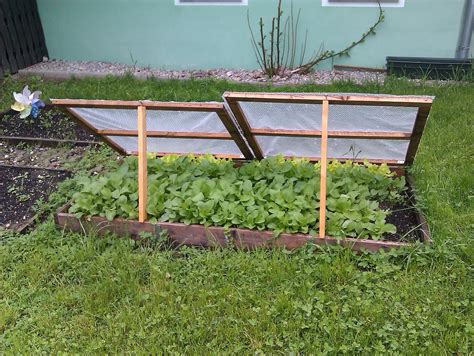
Simple physical barriers can protect young plants from flying insects and larger pests. Row covers made of fine mesh fabric allow sunlight and water through but keep out cabbage moths, squash bugs, and flea beetles. Burying a collar around the base of seedlings can deter cutworms. Netting can also be used to protect fruiting plants from birds.
Attracting Beneficial Insects
Nature provides its own pest controllers in the form of beneficial insects. Ladybugs feast on aphids, parasitic wasps target a variety of larvae, and lacewings are generalist predators. You can encourage these helpful allies by planting flowers rich in nectar and pollen, such as dill, cilantro, cosmos, and sweet alyssum. Providing a water source and avoiding broad-spectrum pesticides will also help maintain a thriving beneficial insect population.

Hands-On Pest Management
When pests do appear, some immediate, hands-on interventions can make a big difference.
Hand-Picking and Water Blasting
For larger pests like tomato hornworms, slugs, or Colorado potato beetles, hand-picking them off your plants can be surprisingly effective. Drop them into a bucket of soapy water to dispatch them. For aphids, spider mites, or whiteflies, a strong blast of water from a hose can knock them off plants, often disorienting them enough to prevent them from returning.
Homemade Sprays and Remedies
For more persistent infestations, homemade sprays using common household ingredients can offer a natural solution.
Insecticidal Soap Spray
A simple insecticidal soap spray can be made by mixing 1-2 tablespoons of mild liquid dish soap (avoid detergents with degreasers) with a gallon of water. Spray this solution directly onto soft-bodied pests like aphids, spider mites, mealybugs, and whiteflies. The soap suffocates the insects by dissolving their outer waxy coating. Always test on a small leaf first to ensure no adverse reaction.

Neem Oil Spray
Neem oil, derived from the neem tree, is a powerful organic pesticide that acts as an anti-feedant, repellent, and growth disruptor for many pests. Mix 1-2 ounces of cold-pressed neem oil with 1 gallon of water and a teaspoon of mild soap as an emulsifier. Spray thoroughly, ensuring coverage of both the top and underside of leaves. Use in the late evening to avoid harming beneficial insects and ensure the oil doesn’t burn leaves in direct sunlight.
Garlic or Chili Pepper Spray
The pungent compounds in garlic and chili peppers can deter a range of pests. Blend several cloves of garlic or a few hot peppers with a quart of water and a dash of liquid soap. Let it sit overnight, then strain the mixture and dilute with more water before spraying. This acts as a repellent and can irritate pests, making them less likely to feed.
Good Garden Hygiene and Crop Rotation
Maintaining a clean and organized garden space is crucial for pest control. Remove plant debris, weeds, and fallen fruit regularly, as these can harbor pests and diseases. Practicing crop rotation – not planting the same crop in the same spot year after year – can disrupt pest life cycles and prevent soil-borne diseases.
Conclusion: A Holistic Approach to Pest-Free Gardening
Successful natural DIY pest control in your vegetable garden is less about finding a single magic bullet and more about adopting a holistic approach. By combining preventative measures like companion planting and attracting beneficial insects with reactive solutions such as hand-picking and homemade sprays, you can create a vibrant, healthy ecosystem. Regularly observing your plants for early signs of trouble and acting swiftly with these natural methods will help ensure your garden remains a haven for fresh produce, not pests.