

What natural methods deter common garden pests like aphids without chemicals?

Embracing a Chemical-Free Garden
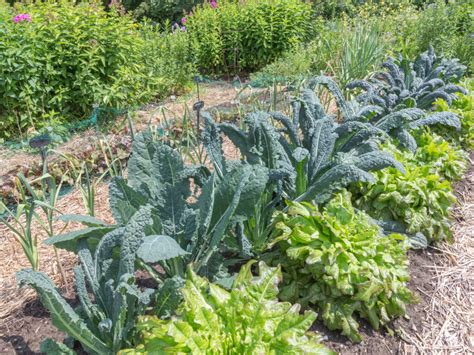
Creating a vibrant garden without resorting to harsh chemicals is a rewarding endeavor, especially when facing common adversaries like aphids, slugs, and spider mites. A thriving garden ecosystem is one where nature’s own checks and balances are encouraged, leading to healthier plants and a safer environment for pollinators and pets. The key lies in understanding pest behavior and implementing a multi-faceted approach that supports biological diversity.
Understanding Your Garden Ecosystem
Before launching into action, take time to observe your garden. Identifying the specific pests you’re dealing with is the first step towards effective natural control. Aphids, for instance, are small, soft-bodied insects that cluster on new growth, sucking sap and weakening plants. Understanding their life cycle and preferred host plants can inform your strategy, allowing you to proactively prevent infestations rather than merely reacting to them.
Beneficial Insects: Nature’s Pest Patrol
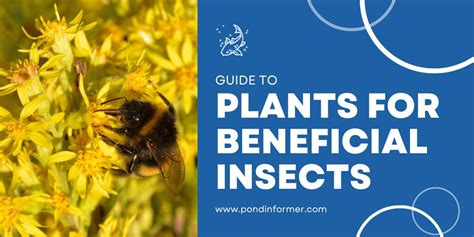
One of the most powerful natural defenses against pests is inviting beneficial insects into your garden. Ladybugs, lacewings, hoverflies, and predatory wasps are voracious predators of aphids and other soft-bodied pests. Creating a habitat for these helpful creatures involves planting a diversity of flowers, especially those with small, open blooms like dill, cilantro, sweet alyssum, and marigolds, which provide nectar and pollen. Avoiding broad-spectrum pesticides ensures these allies are not inadvertently harmed.
Strategic Planting: Companion Power
Companion planting is an ancient practice that leverages the natural properties of certain plants to deter pests or attract beneficial insects. For aphids, planting nasturtiums as a ‘trap crop’ can draw them away from more valuable plants. Marigolds (Tagetes species) are known to deter nematodes and some flying insects, while strong-smelling herbs like garlic, chives, and onions can confuse and repel a variety of pests. Experimenting with different combinations can yield surprisingly effective results.
Manual and Mechanical Controls
Sometimes, the simplest methods are the most effective. For small aphid infestations, a strong blast of water from a hose can dislodge them from plants. Regular inspection allows for hand-picking larger pests like slugs or caterpillars. Row covers, made of lightweight fabric, can physically prevent flying insects from laying eggs on susceptible crops, acting as a barrier against early infestations. These hands-on methods require consistency but offer immediate, chemical-free solutions.

Homemade Remedies and Organic Sprays
When infestations become more widespread, natural sprays can provide a targeted solution. An insecticidal soap spray, made from a mild liquid soap (not detergent) mixed with water, can smother soft-bodied insects like aphids, mites, and whiteflies. Neem oil, derived from the neem tree, is another organic option that acts as an anti-feedant and growth disruptor for many pests, while being relatively safe for beneficial insects once dry. Always test any homemade spray on a small part of the plant first to ensure it doesn’t cause damage.

Cultivating a Healthy Garden Environment
A strong, healthy plant is more resilient to pest attacks. Focus on building healthy soil through composting and mulching, which provides essential nutrients and fosters a robust root system. Adequate watering and proper spacing between plants also reduce stress and improve air circulation, making plants less susceptible to disease and pest pressure. Crop rotation helps break pest life cycles by moving specific plant families to different areas each season. Encouraging birds to your garden with bird baths and feeders can also provide natural predation against many insect pests.

By integrating these natural methods, gardeners can foster a balanced ecosystem where pests are managed without the need for harmful chemicals. This approach not only protects your plants but also contributes to the overall health of your garden, local wildlife, and the wider environment, embodying the true spirit of country living.