
What natural methods effectively deter deer from my homestead vegetable garden?
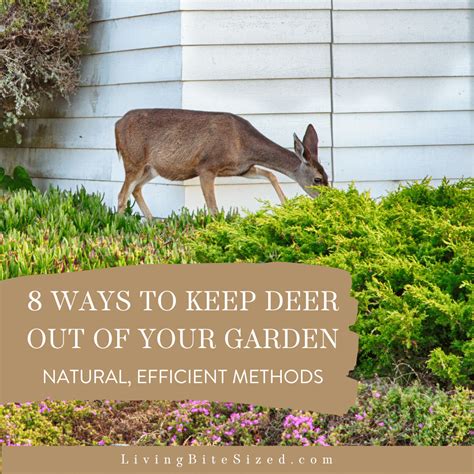
Deer, while beautiful creatures, can quickly decimate a vegetable garden, turning months of hard work into a frustrating wasteland. For homesteaders and gardeners who prefer environmentally friendly approaches, resorting to chemical deterrents isn’t always the first choice. Fortunately, a variety of natural and effective methods can help protect your precious produce without harming wildlife or the ecosystem.
Establishing Physical Barriers: The First Line of Defense
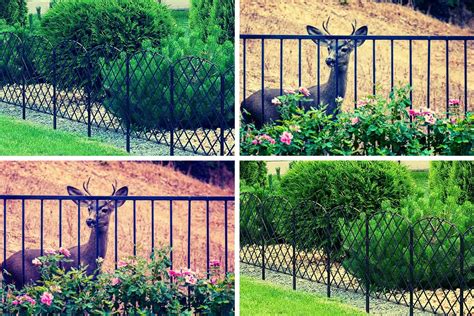
The most foolproof method for deterring deer is often a physical barrier. A well-constructed fence can be incredibly effective, though it requires an initial investment of time and resources. Deer can jump surprisingly high, so a fence needs to be at least 8 feet tall to be truly deer-proof. Alternatively, an angled fence, or a double fence with two parallel fences about 3-5 feet apart, can confuse and deter them.
For smaller areas or temporary solutions, deer netting draped over hoops or stakes can protect individual beds or rows. While less robust than a permanent fence, it’s a good option for specific crops during vulnerable stages. Ensure the netting is securely anchored to the ground to prevent deer from pushing underneath.
Natural Repellents: Appealing to Senses
Deer have a keen sense of smell and taste, which can be exploited to keep them away. Planting strong-smelling herbs around the perimeter of your garden, such as garlic, chives, mint, lavender, and rosemary, can act as a natural deterrent. While deer may still venture close, these plants are generally unappetizing to them.
Homemade repellent sprays can also be effective. Common ingredients include rotten eggs, hot pepper, garlic, or even human hair (from local salons) mixed with water and applied directly to plants. The scent of predators (e.g., coyote urine) can also be purchased and applied around the garden’s perimeter, though this might not be suitable for all homestead environments. Reapply these sprays frequently, especially after rain.

Scare Tactics and Sensory Disruption
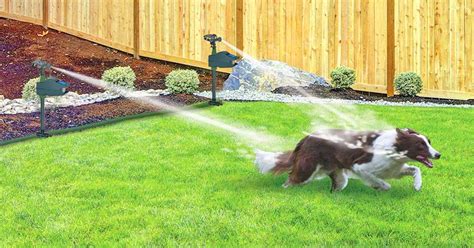
Deer are creatures of habit and easily startled. Introducing elements that create surprise or discomfort can deter them. Motion-activated sprinklers, which blast a sudden spray of water, are highly effective and humane. They work by startling the deer and associating the garden with an unpleasant experience.
Other visual and auditory deterrents include reflective tape, old CDs hanging from string, wind chimes, or even a radio playing talk shows at a low volume. While these methods can work, deer are intelligent and can become accustomed to static deterrents over time. Rotating different scare tactics or combining them with other methods can increase their effectiveness.
Cultivating Deer-Resistant Plantings and Companion Planting
While deer will eat almost anything if hungry enough, some plants are less palatable to them. Incorporating deer-resistant plants into your landscaping, especially around the edges of your vegetable patch, can create a buffer zone. Examples include ornamental grasses, certain perennials like peonies and daffodils (though these aren’t vegetables), and some herbs.
Companion planting within your vegetable garden can also help. Pairing highly desired vegetables with strong-smelling, deer-aversive plants can offer some protection. For instance, planting onions or garlic amongst lettuce or beans can make the entire bed less appealing to deer.
The Integrated Approach: Consistency and Combination
No single method is 100% foolproof against determined deer. The most successful strategy involves an integrated approach, combining several deterrents. Start with the most practical physical barriers, then layer on sensory repellents and scare tactics. Regularly inspect your garden for signs of deer activity and adapt your methods as needed.
Persistence is key. Deer pressures can vary season to season, and what works one year might need reinforcement the next. By employing a multi-pronged, natural strategy, you can significantly reduce deer damage and enjoy a bountiful harvest from your homestead vegetable garden.