What natural methods improve heavy clay soil for better vegetable garden yields?

Understanding the Challenge and Potential of Heavy Clay Soil
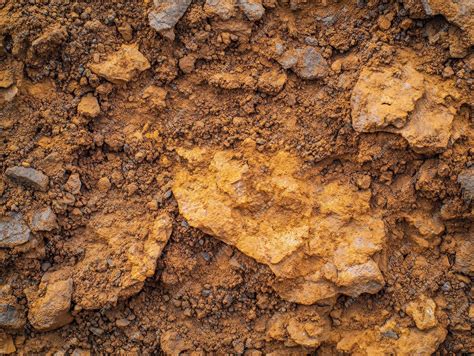
Heavy clay soil often presents a formidable challenge for gardeners. Its dense, fine particles pack together tightly, leading to poor drainage, compaction, and difficulty in root penetration. When wet, it’s a sticky mess; when dry, it turns into a rock-hard, cracked landscape. However, clay soil isn’t without its merits. It’s typically rich in nutrients, holding onto them better than sandy soils, and has excellent water retention once it eventually absorbs moisture.
The key to successful vegetable gardening in clay is not to fight its inherent properties, but to improve its structure naturally. By enhancing aeration, drainage, and workability, you can unlock its nutrient-holding potential and create an ideal environment for robust root growth and abundant harvests.
The Cornerstone: Incorporating Organic Matter
Without a doubt, the single most effective natural method for improving heavy clay soil is the generous addition of organic matter. Organic materials act like tiny sponges, creating pathways for air and water, binding small clay particles into larger aggregates, and making the soil more friable and easier to work. This process dramatically improves drainage and aeration while simultaneously enhancing the soil’s ability to hold nutrients and beneficial microbes.
Compost
- How to use it: Incorporate 2-4 inches of well-rotted compost into the top 6-12 inches of your garden beds annually, especially in the fall or early spring.
- Benefits: Compost is a universal soil amendment, improving structure, adding a slow-release supply of nutrients, and boosting microbial activity.
Aged Manure
- How to use it: Similar to compost, spread 1-2 inches of aged (at least 6 months old) cow, horse, or chicken manure over the soil and lightly incorporate it. Avoid fresh manure, which can burn plants.
- Benefits: Provides a rich source of nutrients and organic material, significantly improving clay structure over time.
Leaf Mold
- How to use it: Rake up fallen leaves, shred them if possible, and allow them to decompose into leaf mold. Incorporate into beds or use as a mulch.
- Benefits: Excellent for improving soil structure, water retention, and providing slow-release nutrients, all while being a fantastic way to recycle yard waste.
Green Manures and Cover Cropping
Green manures, or cover crops, are plants grown specifically to benefit the soil, rather than for harvest. They are incredibly effective for improving clay soil, particularly in larger garden areas or during off-seasons.
- How they work: Their root systems penetrate and break up compacted clay, creating channels for air and water. When tilled into the soil (before flowering), they add a significant amount of organic matter.
- Examples: Hairy vetch, clover, annual rye, oats, buckwheat, and field peas are good choices.
- Application: Sow cover crops after your main harvest in late summer or fall, or in spring before planting. Allow them to grow, then cut them down and turn them into the soil a few weeks before planting your vegetables.

No-Dig Gardening and Mulching
These complementary methods are excellent for long-term clay soil improvement and reduced effort.
No-Dig Gardening
This approach involves building soil layers on top of existing clay, without tilling. Over time, the organic material breaks down, enriching and improving the underlying clay. Start by laying down cardboard, then add thick layers of compost, aged manure, straw, and other organic materials. This creates a rich, loose growing medium that gradually integrates with the heavy clay beneath.
Mulching
Applying a thick layer (3-6 inches) of organic mulch, such as straw, wood chips, or shredded leaves, to your garden beds has multiple benefits for clay soil. It conserves moisture, suppresses weeds, regulates soil temperature, and, most importantly, slowly breaks down to add organic matter to the soil surface. This continuous input of organic material encourages earthworms and microbes to pull it down, naturally aerating and improving the clay below without disturbance.
Minimizing Compaction and Smart Watering
Even with significant organic matter, heavy clay soil remains susceptible to compaction. Avoid walking on your garden beds as much as possible; create dedicated pathways. If possible, consider raised beds, which offer excellent drainage from the start and prevent foot traffic on the growing medium.
When watering clay soil, slow and deep is the rule. Its dense nature means water penetrates slowly. Rather than frequent, shallow watering that leads to runoff, water less often but for longer periods, allowing the water to soak deeply into the root zone. This encourages roots to grow deeper, making plants more resilient.

Patience and Persistence
Improving heavy clay soil is not an overnight task; it’s a journey. Each year you amend your soil with organic matter, grow cover crops, and practice no-dig principles, you’ll notice a significant improvement in its texture, drainage, and overall fertility. With consistent effort using these natural methods, your challenging clay soil will transform into a productive and thriving environment, yielding abundant harvests for your vegetable garden.