

What natural pest solutions protect a small organic vegetable garden effectively?
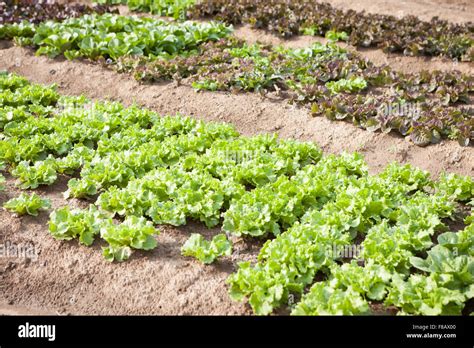
For many small organic vegetable garden enthusiasts, the joy of harvesting fresh, chemical-free produce is paramount. However, this pursuit often comes with the challenge of managing unwelcome pests. The good news is that a thriving organic garden naturally resists many common invaders, and there are numerous effective, eco-friendly solutions to protect your precious plants without resorting to synthetic pesticides.
Understanding Your Garden Ecosystem
Before reaching for any solution, take time to observe your garden. Identifying the specific pests you’re dealing with and understanding their life cycles is the first step toward effective natural control. A healthy garden soil teeming with microbes, coupled with proper plant spacing and watering, creates a strong foundation for resilient plants that are less susceptible to pest attacks.
Prevention is Key
The most effective pest management starts with prevention. Choosing disease-resistant varieties, ensuring proper air circulation, and maintaining consistent moisture levels all contribute to a garden environment where plants can thrive and naturally fend off many pests. Regularly inspect your plants for early signs of infestation.
Cultivating Beneficial Allies
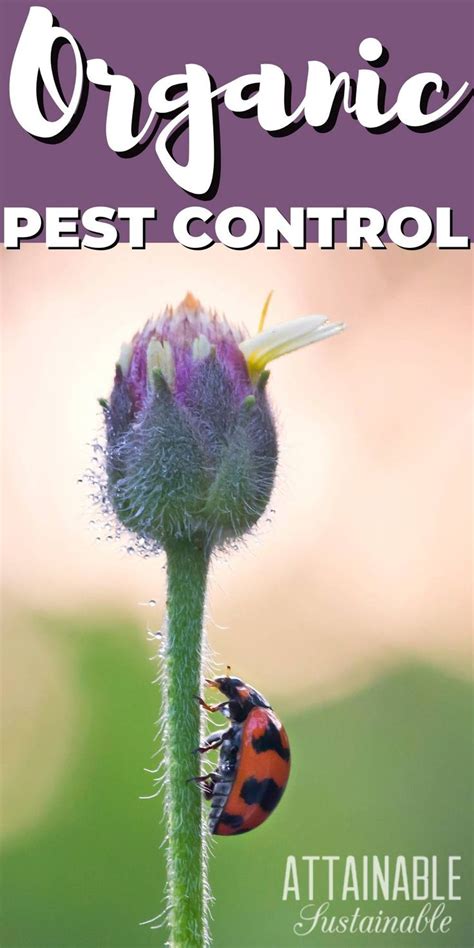
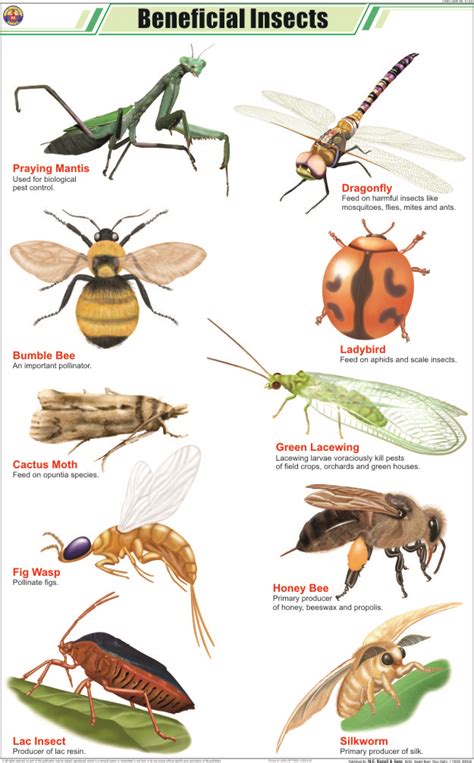
One of the most powerful natural pest solutions is to invite nature’s own pest controllers into your garden. Beneficial insects, such as ladybugs, lacewings, and parasitic wasps, prey on common garden pests like aphids, mites, and caterpillars.
Attracting Good Bugs
Planting a diverse array of flowers alongside your vegetables can create a welcoming habitat for these helpful insects. Consider herbs like dill, fennel, and cilantro, and flowers such as marigolds, sweet alyssum, and cosmos. These provide nectar and pollen, sustaining beneficial insects through their various life stages.
Companion Planting Strategies
Companion planting involves strategically placing different plants near each other to create a mutually beneficial environment. Some plants naturally repel pests, while others attract beneficial insects. For instance, planting marigolds near tomatoes can deter nematodes, while nasturtiums can act as a trap crop for aphids, luring them away from more valuable vegetables.
Physical Barriers and Manual Control
Sometimes, the simplest solutions are the most effective. Physical barriers and direct intervention can provide immediate and targeted protection.
Row Covers and Netting
Lightweight row covers or insect netting can physically prevent flying insects like cabbage moths, squash bugs, and cucumber beetles from reaching your plants. Ensure they are securely anchored to prevent pests from crawling underneath. Remember to remove them for pollination if you have fruiting plants that require it.
Hand-Picking and Traps
For larger pests like tomato hornworms or slugs, hand-picking can be incredibly effective. Regularly patrol your garden, especially in the early morning or evening, and remove pests manually. Slug traps (like shallow dishes of beer) or sticky traps can also help reduce populations.

DIY Organic Sprays and Repellents
When infestations occur, certain homemade organic sprays can offer a non-toxic line of defense. Always test any new spray on a small section of a plant before applying it widely.
Neem Oil and Insecticidal Soap
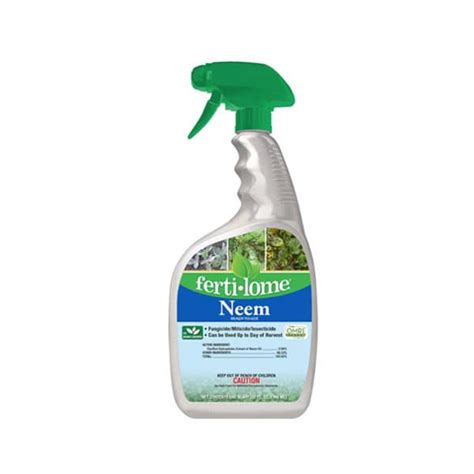
Neem oil, derived from the neem tree, disrupts the feeding and reproduction cycles of many soft-bodied insects without harming beneficial ones significantly. Insecticidal soap sprays work by suffocating pests like aphids, spider mites, and whiteflies. Both are most effective when applied thoroughly, covering all leaf surfaces.
Garlic and Chili Sprays
Homemade concoctions using garlic, chili peppers, or even essential oils like peppermint can act as effective repellents. Their strong scents and irritating compounds deter pests from munching on your plants. These are generally used as a deterrent rather than a direct killer.
Maintaining Garden Health
A proactive approach to garden health is fundamental to long-term natural pest control. Healthy plants are naturally more resistant to pests and diseases.
Crop Rotation and Soil Health
Practicing crop rotation helps break pest cycles by moving plants to different locations each season, denying pests a consistent food source. Enriching your soil with compost and organic matter promotes vigorous growth and a healthy microbiome, making plants less vulnerable to attacks.
Garden Hygiene
Regularly remove weeds, as they can harbor pests and compete with your vegetables for nutrients. Promptly dispose of diseased or heavily infested plant parts to prevent the spread of problems. Clean up garden debris at the end of the season to eliminate overwintering sites for pests.

Protecting your small organic vegetable garden effectively doesn’t require harsh chemicals. By observing your garden, fostering beneficial relationships, employing physical barriers, and utilizing simple organic solutions, you can cultivate a thriving, pest-resistant haven that yields abundant, healthy produce year after year. Embrace the ecological balance, and your garden will reward you with its resilience.