



What real food recipes best preserve seasonal garden harvests for winter meals?

Embracing the Bounty: Preserving Your Garden’s Best for Winter
As the vibrant colors of summer give way to the crisp air of autumn, home gardeners face a delightful dilemma: how to best utilize and preserve the abundant harvest before the frost sets in. The key lies in ‘real food’ recipes – methods that not only extend the shelf life of your produce but also retain its nutritional value and robust flavors, ensuring your winter meals are as wholesome and delicious as those enjoyed fresh from the vine.
Preserving your garden’s bounty isn’t just about reducing waste; it’s about connecting with your food, understanding its journey, and providing your family with nutrient-dense meals long after the growing season has ended. Let’s explore some of the most effective and delicious real food preservation techniques.
Traditional Canning: Jams, Jellies, and Savory Staples
Canning is a time-honored method for preserving everything from fruits to vegetables, creating shelf-stable staples that are ready to use. Water bath canning is ideal for high-acid foods, while pressure canning is essential for low-acid vegetables.
Recipes for Canning:
- Homemade Tomato Sauce/Paste: Transform bushels of ripe tomatoes into rich, flavorful sauces or concentrated paste. These form the base for countless winter stews, pasta dishes, and chilis. Simply cook down peeled and seeded tomatoes with herbs, then can in jars.
- Pickled Green Beans/Dill Pickles: Crisp dilly beans or classic cucumber pickles are a tangy addition to any meal. Use a simple brine of vinegar, water, salt, and spices.
- Fruit Jams & Preserves: Strawberries, raspberries, peaches, and plums can be turned into delightful jams with minimal sugar or alternative sweeteners, perfect for toast or desserts.
Freezing: The Quick and Easy Preservation Method
Freezing is arguably the simplest way to preserve many garden vegetables and fruits, retaining much of their fresh taste and nutritional content. Most vegetables benefit from blanching before freezing to lock in color and flavor.
Recipes for Freezing:
- Blanched Green Beans/Broccoli: Blanch for a few minutes, cool rapidly in ice water, drain, and freeze in single layers on baking sheets before transferring to bags. Perfect for quick side dishes.
- Berry Blends: Flash freeze individual berries (strawberries, blueberries, raspberries) on trays, then combine them in bags. Ideal for smoothies, pies, and muffins.
- Roasted Vegetable Purees: Roast butternut squash, pumpkin, or sweet potatoes until tender, then puree and freeze in portions. These are excellent for soups, sauces, or baby food.
- Pesto Cubes: Make large batches of fresh pesto, then freeze it in ice cube trays. Once frozen, pop out the cubes and store them in a freezer bag for a taste of summer basil all winter long.
Dehydrating: Concentrating Flavors and Nutrients
Dehydration removes water, inhibiting spoilage and concentrating flavors. It’s an energy-efficient method for many items, creating lightweight, shelf-stable ingredients perfect for camping or long-term storage.
Recipes for Dehydrating:
- Dried Herbs: Hang bundles of herbs or use a dehydrator to dry rosemary, thyme, oregano, and basil. Crumble and store in airtight containers for year-round seasoning.
- Apple Rings/Fruit Leathers: Thinly slice apples or blend fruit purees to create healthy, chewy snacks.
- Sun-Dried Tomatoes (Oven-Dried): Halve cherry or Roma tomatoes, toss with a little salt and olive oil, and slow-bake in the oven until leathery. Store in oil or vacuum seal.
- Vegetable Flakes/Powders: Dehydrate leftover vegetable scraps (carrots, celery, onions) and grind them into a powder for instant broth or seasoning.

Fermentation: The Art of Probiotic Preservation
Fermentation is an ancient preservation method that not only extends shelf life but also enhances nutrients and creates beneficial probiotics. It’s a fantastic way to add complex flavors and gut-healthy goodness to your diet.
Recipes for Fermentation:
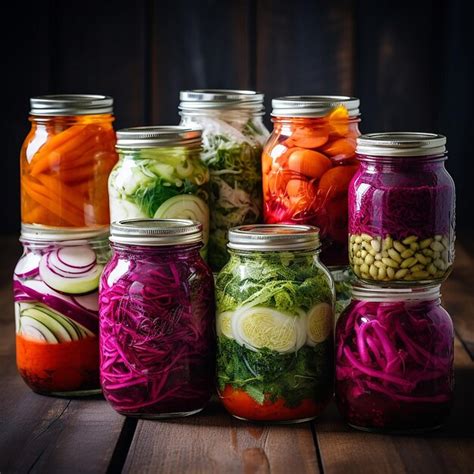
- Sauerkraut: Finely shred cabbage, massage with salt, and pack into jars to ferment. The result is a tangy, probiotic-rich condiment perfect with sausages or in salads.
- Lacto-Fermented Pickles: Unlike canned pickles, lacto-fermented versions use a salt brine and beneficial bacteria to preserve cucumbers, carrots, or green beans, yielding crunchy, tangy treats.
- Kimchi: A spicy Korean fermented cabbage dish that’s incredibly flavorful and versatile, excellent with rice, noodles, or grilled meats.
Beyond Preservation: Utilizing Your Winter Pantry
Once your preserves are safely stored, the real joy comes in incorporating them into your winter meal planning. Canned tomatoes become the base for hearty minestrone or rich pasta sauces. Frozen berries brighten up morning oatmeal or winter crumbles. Dehydrated herbs infuse soups and stews with garden-fresh flavor, and fermented vegetables add a zesty crunch to cold-weather dishes.
By investing a little time and effort in preserving your garden’s harvest, you’re not just stocking your pantry; you’re building a foundation for healthier, more flavorful, and truly ‘real food’ winter meals, bringing the taste of summer sunshine to even the coldest days.