What real food recipes best preserve summer’s garden bounty & reduce kitchen waste?

Embracing the Summer Harvest: Preservation and Waste Reduction
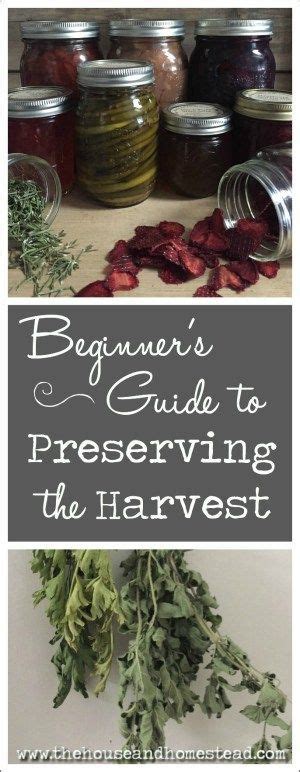
The arrival of summer brings with it a glorious bounty from gardens, farmers’ markets, and local farms. Vibrant tomatoes, crisp cucumbers, tender beans, and fragrant herbs overflow, promising endless culinary possibilities. However, this abundance can also lead to a dilemma: how to savor every bit of this seasonal goodness before it spoils? The answer lies in mastering real food preservation techniques that not only extend the life of your harvest but also champion a zero-waste kitchen.
Preserving your garden’s treasures ensures a taste of summer throughout the colder months, transforming fleeting freshness into year-round delight. Beyond the joy of eating homegrown produce, these methods significantly reduce food waste, honoring the effort that went into growing or sourcing your ingredients. Let’s explore some of the most effective and delicious ways to preserve summer’s bounty.

Classic & Creative Preservation Techniques
Canning & Jarring: Locking in Flavor
Canning and jarring are time-honored methods for preserving fruits and vegetables, creating shelf-stable delights from jams and jellies to pickles and sauces. These methods require careful attention to sterilization and processing times but offer immense rewards.
- Classic Tomato Sauce: Transform your ripe tomatoes into a rich, versatile sauce for pasta, pizzas, and stews. Simmer with herbs like basil and oregano, then can in sterilized jars.
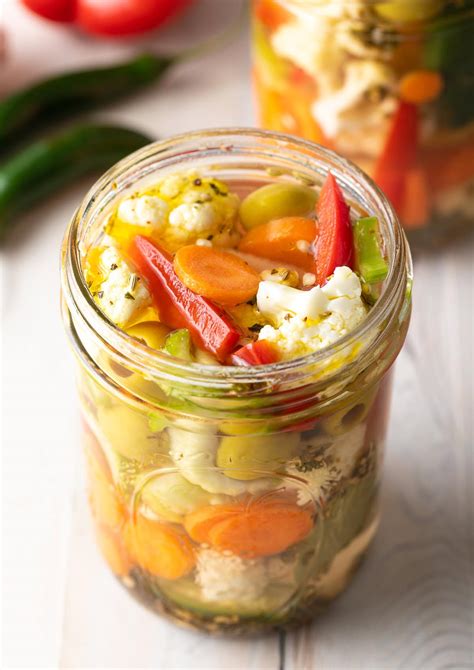
- Quick Pickled Cucumbers/Zucchini: Slice cucumbers or zucchini and immerse them in a brine of vinegar, water, salt, sugar, and spices (dill, garlic, mustard seeds). Process for refrigerator pickles or water bath can for shelf stability.
- Berry Jams & Compotes: Preserve the sweetness of summer berries by cooking them down with sugar and a touch of lemon juice. Enjoy homemade jam on toast or as a topping for desserts.
Freezing: Simple & Effective
Freezing is arguably the easiest way to preserve most fruits and vegetables, requiring minimal equipment and effort. Proper preparation ensures that textures and flavors remain vibrant.
- Blanched Green Beans/Broccoli: Blanch vegetables in boiling water for a minute or two, then immediately plunge into ice water to stop the cooking process. Drain well and freeze in single layers on baking sheets before transferring to freezer bags. This helps retain color and nutrients.
- Fruit Purees & Slices: Blend ripe berries or peaches into purees for smoothies, sauces, or baby food, then freeze in ice cube trays or freezer-safe containers. Sliced fruits can be frozen on trays and then bagged.
- Herb Cubes: Chop fresh herbs like basil, parsley, or cilantro, mix with a little olive oil or water, and freeze in ice cube trays. Pop them into soups, stews, or stir-fries for instant flavor.

Fermentation: Gut Health & Tangy Flavors
Fermentation is an ancient technique that not only preserves food but also enhances its nutritional value by introducing beneficial probiotics. It’s a fantastic way to add complex flavors to your meals.
- Homemade Sauerkraut: Finely shred cabbage, massage with salt until it releases liquid, then pack tightly into a jar, ensuring it’s submerged in its brine. Ferment for a few weeks for a tangy, gut-healthy condiment.
- Kimchi: A spicier, more complex fermented vegetable dish, typically made with napa cabbage and a flavorful paste of gochugaru (chili powder), garlic, ginger, and other seasonings.
Drying & Dehydrating: Concentrated Goodness
Removing moisture from food concentrates its flavors and extends its shelf life indefinitely. This can be done with a food dehydrator, oven, or even sunlight.
- Dried Herbs: Hang bundles of herbs in a cool, dry place or use a dehydrator to dry them. Crumble and store in airtight containers for year-round seasoning.
- Fruit Leathers: Puree fruit, spread thinly on dehydrator sheets or parchment paper, and dry until pliable. A healthy, portable snack.
- Sun-Dried Tomatoes: Slice tomatoes and dehydrate until chewy. Rehydrate in olive oil for salads or pasta, or grind into a powder for seasoning.
Zero-Waste Kitchen: Utilizing Every Bit
Beyond traditional preservation, a truly sustainable approach involves minimizing waste by incorporating often-discarded parts of your produce into delicious dishes. This is where creativity truly shines.
Pestos & Sauces from Greens and Stems
- Radish Top Pesto: Don’t throw away those vibrant radish greens! Blend them with nuts, garlic, parmesan (optional), and olive oil for a peppery pesto.
- Carrot Top Chimichurri: Similar to radish tops, carrot greens can be finely chopped and mixed with garlic, vinegar, olive oil, and spices for a fresh, herbaceous sauce.
- Swiss Chard Stem Puree: Instead of discarding robust chard stems, sauté them until tender, then blend into a vibrant, flavorful puree that can be added to soups, sauces, or served as a side.
Vegetable Scraps for Broths & Stocks
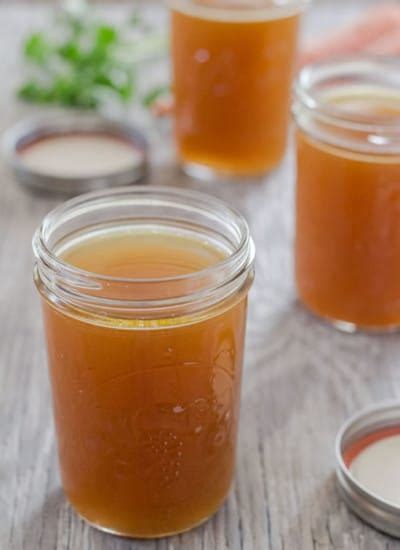
Keep a bag in your freezer specifically for vegetable scraps: onion skins, carrot peels, celery ends, mushroom stems, herb stalks, and any wilting greens. Once full, use these to simmer a rich, flavorful vegetable broth. This stock forms an excellent base for soups, risottos, and sauces, extracting every last bit of goodness and nutrients from your produce.
Planning for Year-Round Enjoyment
Successful preservation and waste reduction often start with a plan. Consider what you use most, what grows abundantly in your region, and how much storage space you have. Start small with a few favorite recipes, and gradually expand your repertoire.
By embracing these real food preservation techniques and adopting a waste-conscious mindset, you not only ensure a delicious pantry full of summer’s best but also contribute to a more sustainable way of living. Enjoy the process of transforming your garden’s bounty into wholesome meals that nourish you throughout the year, celebrating every leaf, stem, and fruit.