

What simple country living chores teach kids real food values?
Cultivating Appreciation: Beyond the Supermarket Aisle
In a world where food often appears magically packaged on supermarket shelves, many children grow up disconnected from its origins. Simple country living chores, however, offer a powerful antidote, grounding kids in the fundamental truths about where their sustenance comes from. These daily tasks aren’t just about getting work done; they are immersive lessons in patience, responsibility, and the true value of real food.
The Garden’s Classroom: From Seed to Supper
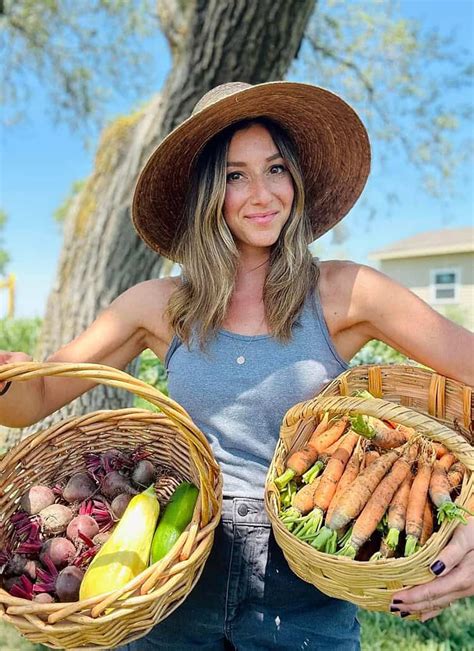
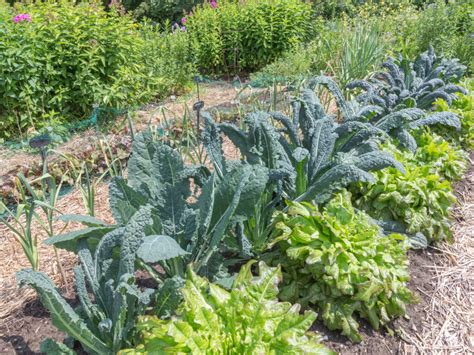
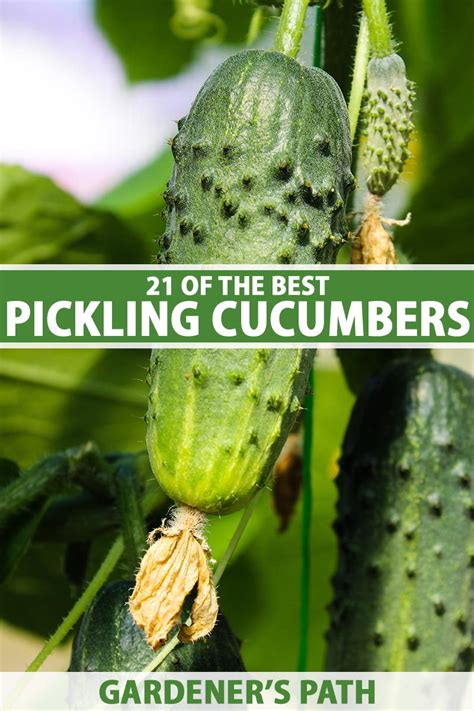
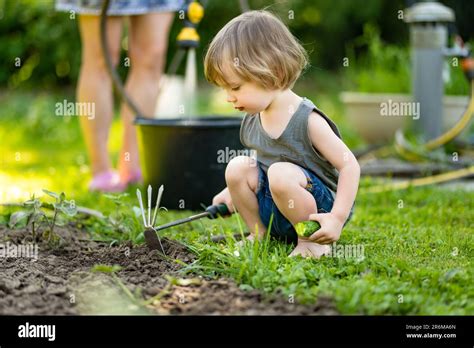
Perhaps the most direct lesson comes from the garden. When children participate in planting seeds, watering sprouts, weeding rows, and finally harvesting ripe vegetables, they learn an invaluable lesson in cause and effect. They witness the miracle of growth firsthand, understanding that food doesn’t simply appear. The effort involved in nurturing a plant from a tiny seed to a bountiful harvest teaches them patience and the incredible labor behind every meal.
This direct involvement fosters a deep appreciation for fresh produce. A child who has pulled a carrot from the earth or picked a tomato still warm from the sun is far more likely to eat it with enthusiasm than one who has only seen it in a plastic bag. They learn about seasonality, the natural rhythm of growing things, and the superior taste of food picked at its peak.
From Coop to Table: Understanding Animal Welfare and Sourcing
Caring for livestock, even a small flock of chickens, provides critical insights into animal welfare and the origins of animal products. Kids learn responsibility by feeding animals, ensuring they have fresh water, and cleaning their living spaces. Collecting eggs teaches them the direct connection between a living creature and the food it provides, fostering respect for the animal and its contribution.
For families that raise meat animals, the process can be even more profound, teaching children about the full cycle of life and the ethical considerations of food production. This hands-on experience demystifies the process, making them more discerning consumers and fostering a greater appreciation for the resources involved.

The Art of Preservation and Preparation: Minimizing Waste, Maximizing Flavor
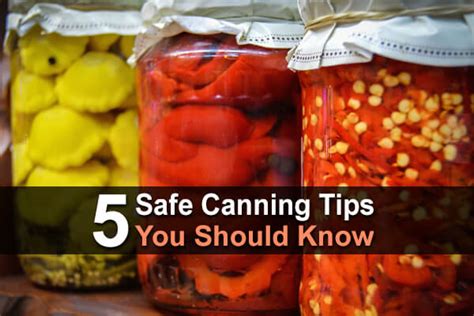
Country living often necessitates skills like canning, dehydrating, freezing, and baking from scratch. Involving children in these activities teaches them resourcefulness and the importance of minimizing waste. They learn to value the abundance of a harvest by transforming it into ingredients that can be enjoyed year-round. Peeling apples for sauce, snapping beans for canning, or kneading dough for homemade bread are more than just chores; they are lessons in self-sufficiency and the art of traditional food preparation.
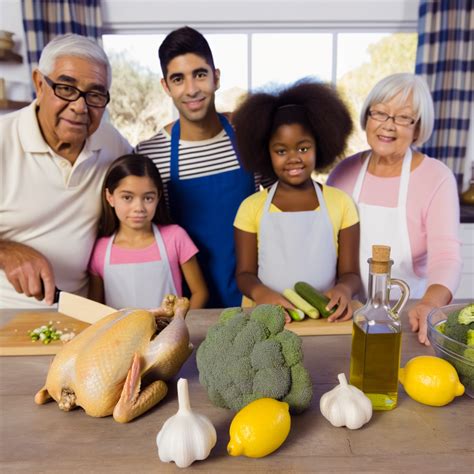
These activities also inherently teach about nutrition and the quality of ingredients. When kids help prepare meals using whole, unprocessed foods, they develop an understanding of what constitutes a healthy diet, far beyond what any textbook can convey. The shared experience of cooking together also strengthens family bonds and establishes positive eating habits.

Connecting to Nature’s Rhythm and Local Lore
Chores like foraging for wild berries (with proper guidance and safety), tapping maple trees, or even simply observing the changing seasons and their impact on available food connect children to the natural world. They learn about local ecosystems, sustainable harvesting practices, and the diversity of foods that grow in their immediate environment. This fosters an understanding of the interconnectedness of nature and food, reinforcing the value of eating locally and seasonally.

Building Lifelong Values and Habits
Ultimately, simple country living chores do more than just produce food; they cultivate character and instill a deep-seated respect for the entire food system. Kids learn about hard work, patience, responsibility, and the profound satisfaction that comes from producing something with their own hands. These experiences translate into a lifelong appreciation for real food, a healthier relationship with eating, and a more sustainable outlook on the world.