
What simple DIY fence keeps deer from my backyard vegetable patch?

Protecting your backyard vegetable patch from hungry deer can feel like an endless battle. These elegant creatures can decimate a garden overnight, turning your hard work into an all-you-can-eat buffet. While professional fencing can be costly and extensive, several simple, do-it-yourself fence options can effectively deter deer without breaking the bank or requiring advanced carpentry skills.

Why Deer Are a Problem for Gardeners
Deer are primarily grazers and browsers, meaning they will eat a wide variety of plants. Unfortunately, many popular garden vegetables, fruits, and ornamental plants are high on their preferred menu. Common damage includes eaten leaves, stripped bark, trampled plants, and completely devoured crops like hostas, beans, lettuce, corn, and fruit trees. Their nocturnal habits often mean you only discover the damage the next morning.
Understanding Deer Behavior for Effective Fencing
To build an effective deer fence, it’s crucial to understand their capabilities and typical behaviors. Deer are excellent jumpers; a straight vertical fence typically needs to be at least 7-8 feet tall to prevent them from leaping over it. However, their depth perception is not as good when faced with an angled or double barrier, making lower fences effective in certain configurations. They also tend to avoid areas where they feel trapped or cannot easily see an escape route.
Simple DIY Deer Fence Solutions
1. The Angled or Slanted Fence (6-foot effective height)
This is one of the most effective DIY deer fence designs because it plays on a deer’s reluctance to jump where they can’t clearly see the landing zone. Instead of a straight vertical fence, you build one that angles outwards from your garden.
- Materials: 6-foot metal T-posts or wooden stakes, deer netting (polypropylene or light metal mesh), zip ties or baling wire.
- Construction: Install your posts at an angle, tilting them outwards from your garden at about a 45-degree angle. The base of the post should be closer to your garden, with the top leaning away. Stretch the deer netting tightly across these angled posts. A 4-foot tall fence angled outward creates an effective vertical barrier of around 6 feet or more, which deer are less likely to attempt to jump.
2. Tall Netting Fence with Sturdy Supports (7-8 foot height)
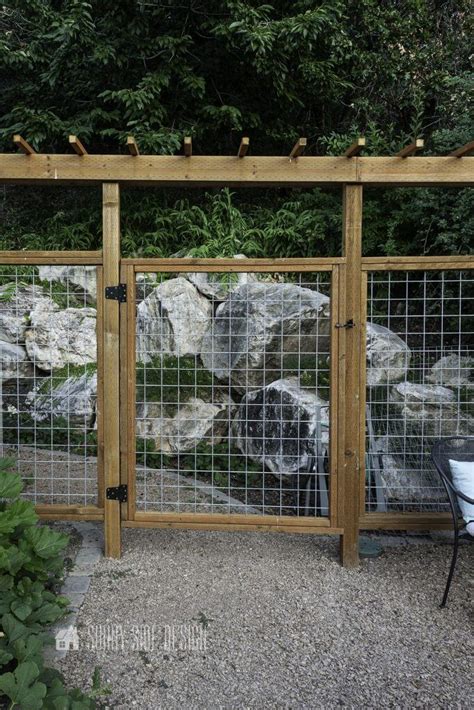
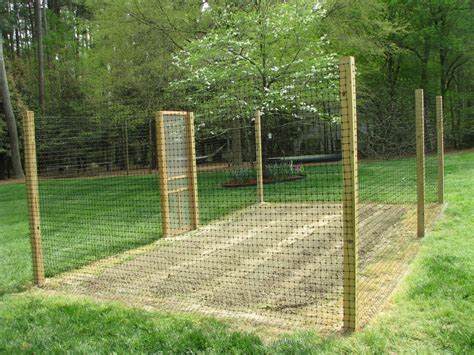
If you prefer a more traditional vertical barrier, a tall netting fence is a lightweight and relatively inexpensive option. The key here is height and tension.
- Materials: 8-foot metal T-posts or sturdy wooden posts, 7-8 foot tall polypropylene deer netting (strong, UV-resistant), hog rings or zip ties, wire for top and bottom tensioning (optional but recommended).
- Construction: Bury your posts deep enough to provide stability, spacing them every 10-15 feet. Attach the deer netting securely to the posts using hog rings or heavy-duty zip ties. Ensure the netting is taut. If desired, run a strand of wire along the top and bottom of the netting and attach it to the netting for extra stability and to prevent deer from pushing under.
3. The Double-Layer Visual Deterrent (Low Height, High Confusion)
This method uses two parallel, shorter fences spaced a few feet apart, creating a corridor that deer are reluctant to enter because it feels like a trap.
- Materials: 4-foot metal T-posts or rebar stakes, 4-foot deer netting or even fishing line/electric fence wire.
- Construction: Build two fences approximately 3-5 feet apart. Each fence only needs to be about 3-4 feet tall. The inner fence protects the garden, and the outer fence creates the confusing barrier. Deer perceive the space between the fences as too narrow to jump into, and too difficult to jump over both barriers at once.
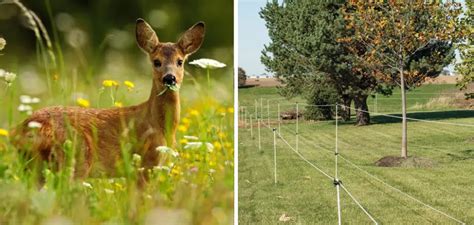
4. Fishing Line Fence (Invisible Barrier)
This method works on the principle of surprise and discomfort. Deer bump into the nearly invisible line, get spooked, and retreat.
- Materials: Sturdy stakes (rebar, metal posts, or sturdy bamboo), heavy-duty monofilament fishing line (50lb+ test), zip ties or staples.
- Construction: Install stakes around your garden every 10-15 feet. Run multiple strands of fishing line between the stakes at various heights: 18 inches, 3 feet, 5 feet, and optionally 7 feet. The key is that the deer don’t see the line until they hit it. This often works best for smaller patches or as a temporary solution.
General Tips for Installation and Maintenance
- Bury the Bottom: For any fence type, bury the bottom edge of the netting a few inches into the ground or secure it tightly to the ground with landscape staples. Deer can sometimes push under fences.
- Check for Gaps: Regularly inspect your fence for any holes or loose sections. Even small gaps can become an entry point.
- Maintain Tension: A taut fence is more effective. Loose netting sags and is easier for deer to bypass.
- Add Visual Deterrents: While not a fence in itself, hanging reflective tape, old CDs, or strips of aluminum foil can add an extra layer of visual deterrent, especially if they flutter in the wind.
Enhancing Your Fence: Other Deterrents
No single method is 100% foolproof, so combining a physical barrier with other deterrents can boost effectiveness:
- Scent Deterrents: Commercial deer repellents, bars of Irish Spring soap (hung from stakes), or human hair can sometimes deter deer through smell, though they often need frequent reapplication.
- Noise/Motion Deterrents: Motion-activated sprinklers or radios playing talk radio can occasionally startle deer away, especially if their visits are infrequent.
Conclusion
Protecting your backyard vegetable patch from deer doesn’t have to be an overwhelming or expensive endeavor. By understanding deer behavior and employing a few simple DIY fencing techniques like an angled fence, a tall netting barrier, a double-layer system, or even an invisible fishing line fence, you can create an effective deterrent. Regular inspection and combining methods will ensure your efforts keep your delicious produce safe for your family, not for the local deer population.