

What simple homemade routines help busy families connect & eat real food daily?

In the whirlwind of modern life, juggling work, school, and countless commitments can leave busy families feeling stretched thin, often at the expense of connection and healthy eating. Yet, building strong family bonds and nourishing bodies with real food doesn’t require elaborate plans or endless hours. The secret lies in simple, homemade routines – small, consistent actions that yield significant results.
The Undeniable Power of Intentional Routines
Routines provide structure, predictability, and comfort, especially for children. For families, they act as anchors in a chaotic sea, carving out dedicated time for what truly matters. When these routines are intentional, focusing on shared experiences around food and communication, they become powerful tools for connection and well-being.
Instead of viewing routines as rigid rules, think of them as gentle rhythms that guide your family through the day, ensuring that essential elements like nutritious meals and quality time aren’t overlooked but naturally integrated into your lifestyle.
Simple Routines for Real Food, Daily
Eating real food doesn’t have to be a monumental task. By integrating a few key habits, even the busiest families can prioritize wholesome nutrition.
1. The Weekend Prep Power Hour (or Two!)
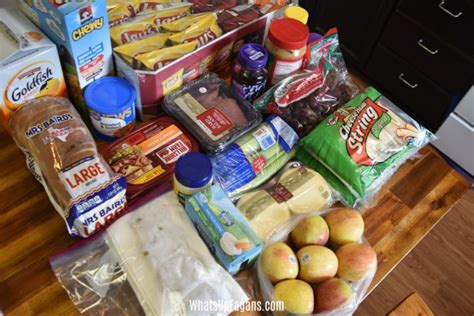
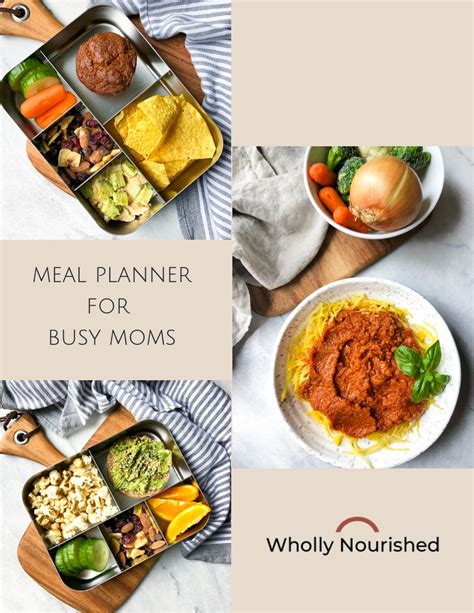
- Batch Cooking Basics: Dedicate an hour or two on a less-busy day (e.g., Sunday afternoon) to prep core ingredients. Cook a large batch of grains (quinoa, brown rice), roast a tray of vegetables, chop salad ingredients, or prepare a versatile protein like shredded chicken or lentils. These become building blocks for quick meals throughout the week.
- “No-Cook” Meal Ideas: Plan for 1-2 meals that require minimal cooking during busy weeknights. Think hearty salads with pre-cooked chicken, loaded whole-wheat wraps, or breakfast-for-dinner using prepped fruit and yogurt.
2. Involve Everyone in the Kitchen
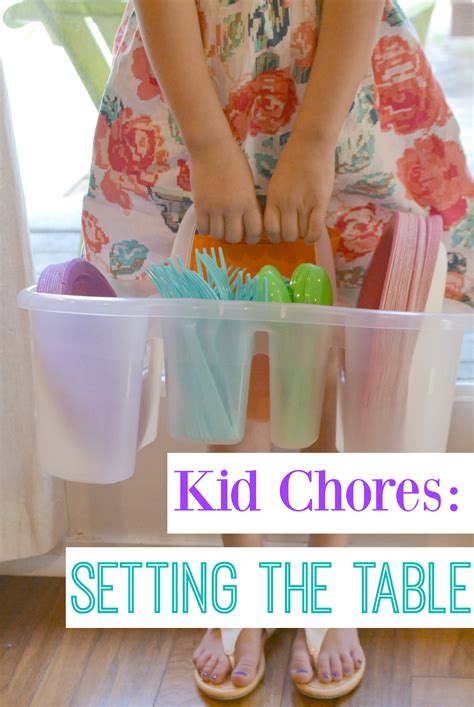
Cooking together is a fantastic way to teach life skills, foster teamwork, and make healthy eating more appealing. Assign age-appropriate tasks, from washing vegetables to setting the table, or even choosing a simple recipe once a week. When children have a hand in preparing food, they are more likely to eat it.

Fostering Deep Family Connection
Beyond the plate, routines can intentionally create spaces for emotional connection and open communication.
1. Sacred Family Mealtime
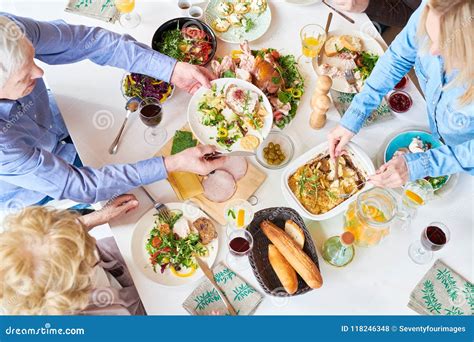
Aim for at least one meal a day (dinner is often easiest) where everyone sits down together, phones away, and engages in conversation. This isn’t just about eating; it’s about sharing the day’s highs and lows, laughing, and simply being present with one another. Consider a “rose and thorn” routine where each person shares one good thing (rose) and one challenging thing (thorn) from their day.
2. Morning Mindful Minutes
Even 5-10 minutes can make a difference. Before the rush, gather for a quick hug, a shared cup of tea (for adults) or warm milk (for kids), or a brief chat about the day ahead. This small ritual can set a positive tone and ensure everyone feels seen before heading out the door.
3. Evening Wind-Down & Gratitude
Before bedtime, establish a consistent routine for winding down. This could include reading together, sharing three things each person is grateful for, or simply quiet cuddle time. This ritual signals the end of the day, helps kids (and adults) relax, and reinforces feelings of love and security.

Making It Stick: Tips for Success
- Start Small: Don’t try to implement every routine at once. Choose one or two that resonate most and build from there.
- Be Flexible: Life happens! Routines are guides, not rigid laws. If a day goes off track, simply return to the routine the next day without guilt.
- Involve the Family: Discuss routines and their benefits with your family. When everyone has buy-in, they are more likely to participate and uphold them.
- Celebrate Small Wins: Acknowledge when a routine goes well. Positive reinforcement encourages continuation.

Conclusion
Building simple, homemade routines for connection and real food isn’t about perfection; it’s about consistency and intention. By integrating small, actionable habits into your family’s daily rhythm, you can transform chaotic days into opportunities for shared meals, meaningful conversations, and lasting memories. These routines become the silent architects of a thriving, connected, and well-nourished family life, proving that even in the busiest schedules, there’s always time for what truly matters.