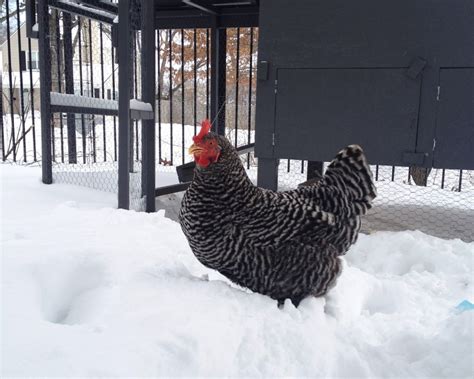





What simple methods keep predators from backyard chickens year-round?

Backyard chickens offer numerous benefits, from fresh eggs to natural pest control, but their presence can also attract unwanted attention from local wildlife. Ensuring the safety of your flock year-round against common predators like raccoons, foxes, hawks, and coyotes doesn’t have to be complicated. Simple, consistent methods are key to a secure and thriving chicken run.
Fortify the Coop: Your First Line of Defense
The chicken coop is your flock’s primary sanctuary, especially at night. A secure coop is the single most important deterrent. Start by inspecting the entire structure for any weaknesses, cracks, or gaps that a determined predator could exploit.
Hardware Cloth Over Chicken Wire
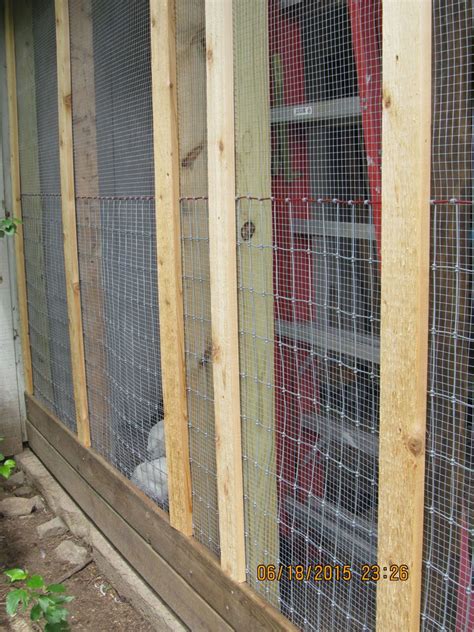
While chicken wire keeps chickens in, it’s often not strong enough to keep predators out. Replace or reinforce existing chicken wire with 1/2-inch or 1/4-inch hardware cloth. This material is incredibly strong, galvanized, and difficult for predators to chew through or bend.
Sturdy Latches and Locks
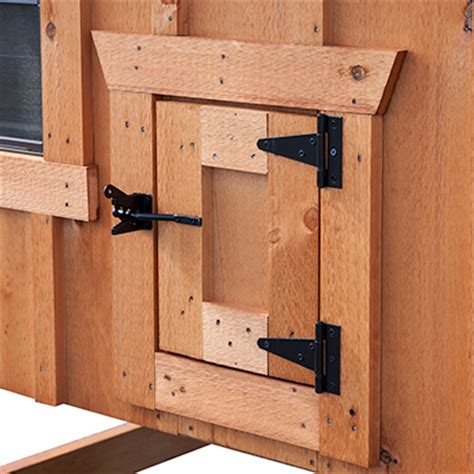
Raccoons are notoriously clever with latches. Simple hook-and-eye closures often aren’t enough. Invest in predator-proof latches, such as carabiner clips, barrel bolts, or even padlocks for coop doors and nesting box entrances. Ensure all doors and windows close tightly and securely.
Bury an Apron Wire
Digging predators like foxes and coyotes can tunnel under fences and coop walls. To prevent this, create an apron of hardware cloth around the perimeter of your coop and run. Bury the hardware cloth at least 12-18 inches deep and extend it outwards from the base of the coop by the same amount. This creates a barrier that discourages digging.
Secure the Run: Daytime Protection
Even during the day, chickens are vulnerable to aerial and ground predators. The run needs to be as secure as the coop itself.
Covered Runs
Hawks and owls are significant threats. Cover the top of your run with hardware cloth, poultry netting, or sturdy wire mesh to prevent aerial attacks. This also deters climbing predators like raccoons from entering from above.
Electric Fencing
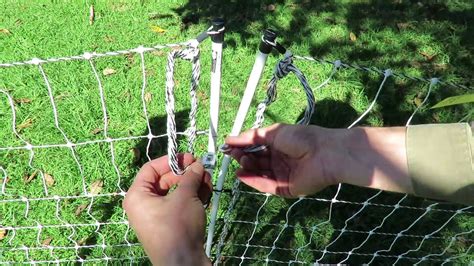
For larger runs or free-ranging areas, a low-voltage electric fence can be an effective deterrent. Install it around the perimeter of your run, placing strands at varying heights to deter both digging and climbing predators. Ensure the fence is well-grounded and regularly checked for functionality.
Remove Attractants and Practice Good Husbandry
Predators are often drawn to easy food sources and cover. Minimizing these attractants is a simple yet vital step in predator prevention.
Secure Feed Storage
Store all chicken feed in sturdy, airtight, metal containers with secure lids. Plastic containers can be chewed through by rodents and raccoons. Spilled feed around the coop can also attract pests and larger predators.

Regular Cleaning and Maintenance
Clean your coop and run regularly. Remove any dropped eggs, deceased birds, or food scraps promptly, as these can draw predators. Keep surrounding vegetation trimmed to reduce hiding spots for lurking animals.
Lighting and Noise Deterrents
Motion-sensor lights can startle nocturnal predators and alert you to their presence. Some people also use radios or predator eyes (flashing LED lights) to deter wildlife, although their long-term effectiveness can vary as animals habituate to them.
Constant Vigilance is Key
Predator pressure can change throughout the year due to breeding seasons, availability of natural food sources, and weather conditions. What works in spring might need reinforcement in winter. Regularly inspect your coop and run for new vulnerabilities, stay aware of local wildlife activity, and adapt your methods as needed. By consistently implementing these simple strategies, you can significantly reduce the risk of predator attacks and keep your backyard flock safe and healthy year-round.

