



What simple organic methods boost soil health for a thriving vegetable garden?
The Foundation of Life: Understanding Healthy Soil
A thriving vegetable garden begins not with the seeds you plant, but with the soil they grow in. Healthy soil is a living ecosystem, teeming with microbes, fungi, and invertebrates that work together to break down organic matter, cycle nutrients, and create an ideal environment for roots. Focusing on soil health through organic methods not only reduces the need for synthetic fertilizers and pesticides but also leads to more resilient, productive plants and richer harvests.
Composting: Nature’s Gold for Your Garden
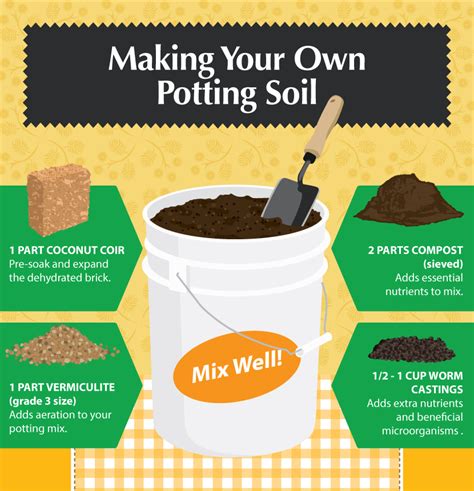
Compost is undoubtedly one of the most powerful tools in an organic gardener’s arsenal. It’s decomposed organic material—think kitchen scraps, yard waste, and leaves—transformed into a nutrient-rich soil amendment. Adding compost improves soil structure, enhances water retention in sandy soils, and improves drainage in clay soils. It also introduces beneficial microorganisms that help plants absorb nutrients more efficiently and fight off diseases.
Starting a compost pile or bin is straightforward. Balance ‘greens’ (nitrogen-rich like food scraps and grass clippings) with ‘browns’ (carbon-rich like dry leaves and wood chips), keep it moist, and turn it regularly. The result is a dark, crumbly material that smells like fresh earth, ready to be incorporated into your garden beds.
Mulching: The Soil’s Protective Blanket
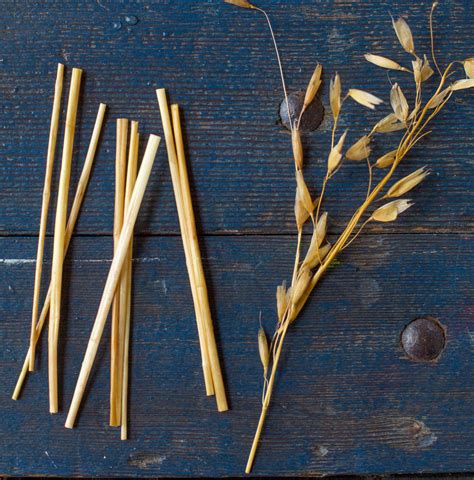
Mulching is a simple yet incredibly effective organic practice. Applying a layer of organic material like straw, wood chips, shredded leaves, or grass clippings over the soil surface offers numerous benefits. Mulch helps to conserve soil moisture by reducing evaporation, suppressing weed growth by blocking sunlight, and moderating soil temperature by insulating it from extreme heat and cold. As organic mulches decompose, they slowly release nutrients into the soil, further enhancing its fertility and structure.
For vegetable gardens, straw or shredded leaves are excellent choices as they break down relatively quickly and integrate well into the soil without tying up too much nitrogen. Apply a 2-4 inch layer around your plants, making sure not to pile it directly against stems.
Cover Cropping: The Green Manure Revolution
When garden beds are empty, especially over winter, they are susceptible to erosion and nutrient depletion. Cover crops, also known as ‘green manures,’ are plants grown specifically to protect and enrich the soil rather than for harvest. Common cover crops include clover, vetch, rye, and buckwheat.
They prevent soil erosion, suppress weeds, add organic matter when tilled under (or ‘chopped and dropped’), and some, like legumes, even fix atmospheric nitrogen, making it available to subsequent vegetable crops. Planting cover crops in fall and turning them into the soil in spring before planting your vegetables is a fantastic way to naturally rejuvenate your garden beds.

Embrace No-Till or Minimum Tillage Practices
Traditional tilling can disrupt the delicate soil structure and the intricate network of microbial life that contributes to soil health. Adopting no-till or minimum tillage methods means disturbing the soil as little as possible. Instead of deep plowing, focus on adding organic matter to the surface, allowing earthworms and other soil organisms to do the work of incorporating it. This preserves the soil’s natural layers, enhances water infiltration, and protects beneficial fungi and bacteria, leading to a more stable and fertile environment for plant roots.
Strategic Crop Rotation & Organic Amendments
Rotating your crops annually is another vital organic strategy. Planting the same vegetables in the same spot year after year can deplete specific nutrients and encourage the buildup of pests and diseases. By rotating plant families (e.g., following heavy feeders with nitrogen-fixing legumes, or root crops with leafy greens), you help to balance nutrient use and break pest cycles.
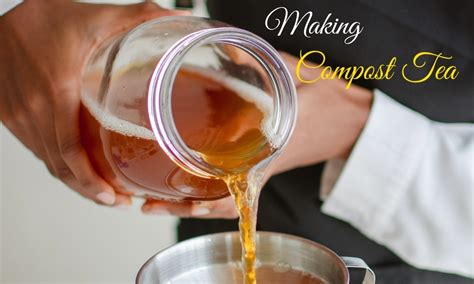
Beyond compost, consider other organic amendments like worm castings (vermicompost), compost tea, kelp meal, and alfalfa meal. These provide a slow release of essential nutrients and further stimulate beneficial microbial activity, supporting strong, healthy plant growth.
Conclusion: A Living Legacy in Your Garden
Boosting soil health with simple organic methods is an investment that pays dividends for years to come. By consistently applying practices like composting, mulching, cover cropping, and minimizing tillage, you’re not just growing vegetables; you’re cultivating a vibrant, self-sustaining ecosystem beneath your feet. This holistic approach ensures a resilient garden that produces abundant, nutritious food, year after year, with less effort and greater environmental benefit.