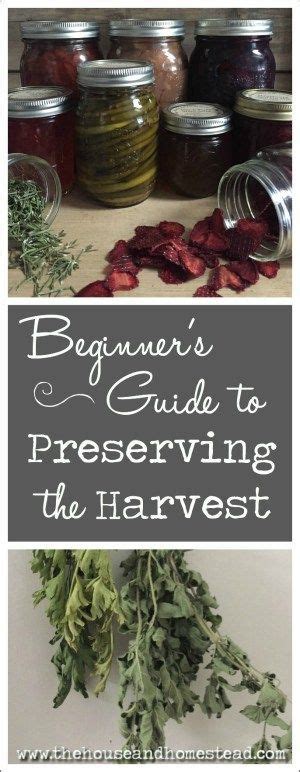
What simple recipes transform garden bounty into real food pantry staples?

The Joy and Value of a Well-Stocked Pantry
There’s an undeniable satisfaction in harvesting fresh produce from your garden. But what happens when the bounty is overwhelming, and you can’t possibly eat it all before it spoils? The secret lies in simple preservation techniques that turn your ephemeral harvest into enduring pantry staples. Transforming fresh garden vegetables and fruits into shelf-stable goods not only reduces waste but also provides healthy, real food options throughout the year, cutting down on grocery bills and ensuring you know exactly what’s in your meals.
Imagine having jars of your own homemade tomato sauce, pickled cucumbers, or strawberry jam lining your shelves, ready for any meal. This journey from garden to pantry is more accessible than you might think, requiring basic kitchen tools and a willingness to experiment with a few tried-and-true methods.
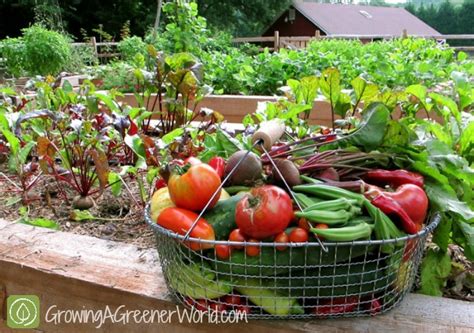
Essential Techniques for Transforming Produce
Before diving into specific recipes, understanding a few core preservation methods will empower you to tackle almost any garden excess:
- Canning: Using heat to seal food in jars, creating a vacuum that prevents spoilage. Ideal for high-acid foods like tomatoes and pickles, or low-acid foods with a pressure canner.
- Freezing: The simplest method for many vegetables and fruits. Blanching some vegetables before freezing helps retain color, flavor, and nutrients.
- Drying/Dehydrating: Removing moisture to inhibit bacterial growth. Great for herbs, fruit leathers, and even sliced vegetables.
- Pickling: Preserving food in an acidic solution, typically vinegar, often with salt and spices.
- Fermenting: A process where beneficial bacteria transform food, creating unique flavors and preserving qualities (e.g., sauerkraut, kimchi).
Garden Staples: Simple Recipes for Every Harvest
Tomatoes: The Versatile Red Gem
Tomatoes are often the most abundant crop in a summer garden, and they lend themselves beautifully to preservation. Simple tomato sauce, salsa, and ketchup are pantry essentials.
- Homemade Crushed Tomato Sauce: Simply core and quarter ripe tomatoes, simmer until soft, then pass through a food mill to remove skins and seeds. Reduce the purée to your desired consistency, season lightly, and can or freeze. This forms the base for countless meals.
- Garden Fresh Salsa: Chop tomatoes, onions, peppers (mild or hot), cilantro, and add lime juice and salt. Simmer briefly, then can or freeze in small batches for quick taco nights or dips.
Cucumbers & Beans: The Art of Pickling
Cucumbers and green beans transform wonderfully into crisp, flavorful pickles.
- Classic Dill Pickles: Pack pickling cucumbers into jars with dill sprigs, garlic, mustard seeds, and peppercorns. Pour a hot brine of vinegar, water, and salt over them, then water bath can.
- Dilly Beans: Use the same brine and spices as dill pickles for green beans. They make a fantastic snack or addition to charcuterie boards.
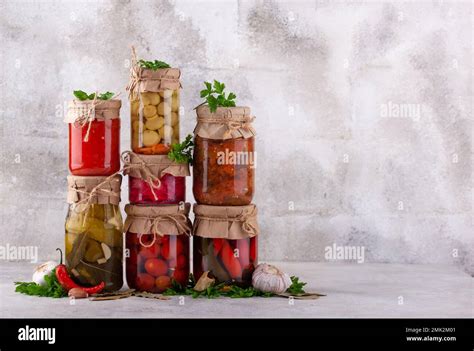
Herbs & Peppers: Drying and Infusing
Don’t let your herb garden go to waste. Drying is incredibly easy.
- Dried Herbs: Tie small bundles of herbs like oregano, thyme, rosemary, or sage and hang them upside down in a warm, dry place. Once crispy, crumble and store in airtight containers. A dehydrator also works wonders.
- Chili Flakes/Powder: Dry ripe hot peppers whole or sliced. Once brittle, crumble for flakes or grind into powder.
Fruits: Sweet Preserves and Leathers
Berries, peaches, apples, and plums can become delightful jams, jellies, and fruit leathers.
- Berry Jam: Combine crushed berries with sugar (and pectin if desired) and cook until thickened. Ladle into jars and water bath can for a taste of summer all year round.
- Fruit Leather: Purée ripe fruit (apples, berries, peaches) and spread thinly onto dehydrator trays or parchment-lined baking sheets. Dry until pliable and leathery, then roll up and store.
Leafy Greens & Root Vegetables: Freezing for Freshness
Freezing is often the quickest way to preserve many vegetables.
- Blanched Greens: Quickly blanch spinach, kale, or Swiss chard in boiling water for 1-2 minutes, then immediately plunge into ice water. Drain well, squeeze out excess water, and freeze in meal-sized portions.
- Diced Root Vegetables: Chop carrots, potatoes, or sweet potatoes into cubes. Blanching is optional but recommended for longer storage. Freeze on a baking sheet before transferring to bags to prevent clumping.

Tips for a Successful Pantry Transformation
- Start Small: Don’t try to preserve everything at once. Pick one or two methods or recipes to master first.
- Good Quality Produce: Use only fresh, unblemished produce for the best results and safest preservation.
- Proper Equipment: Invest in good canning jars, lids, and basic canning tools. A dehydrator can be a game-changer for drying.
- Label Everything: Include the date and contents on every jar, bag, or container.
- Follow Tested Recipes: Especially for canning, use reliable, tested recipes to ensure food safety.
Turning your garden’s abundance into real food pantry staples is a rewarding journey. It connects you more deeply with your food, reduces waste, and ensures a supply of wholesome, delicious ingredients year-round. With these simple recipes and techniques, you can enjoy the fruits (and vegetables!) of your labor long after the growing season ends.