
What sturdy, budget-friendly DIY fence ideas protect garden crops from pests?

The Imperative of a Sturdy Garden Barrier
Cultivating a thriving garden is a rewarding endeavor, but the joy of a lush harvest can quickly turn to frustration when pests invade. From nibbling rabbits and digging groundhogs to foraging deer and curious raccoons, a variety of critters can decimate your precious crops overnight. Investing in a robust garden fence is often the most effective and eco-friendly solution to safeguard your hard work.
While professional fencing can be costly, numerous DIY options exist that are both sturdy and budget-friendly, utilizing readily available or repurposed materials. The key is understanding your specific pest challenges and choosing a fence design that addresses them without breaking the bank.

Understanding Your Adversaries and Fence Needs
Before selecting a fence type, consider the pests you’re trying to deter. Rabbits can squeeze through small gaps, deer can jump high, and groundhogs or gophers can tunnel underneath. Your fence needs to be:
- Tall enough: For deer, this means 7-8 feet; for rabbits, 2-3 feet is usually sufficient.
- Secure at the base: To prevent burrowing animals, the fence should extend below ground.
- Appropriate mesh size: Small openings (1 inch or less) are necessary for rabbits and rodents, while larger openings might suffice for deer if height is adequate.
- Sturdy: Capable of withstanding environmental elements and potential pressure from animals.
Budget-Friendly DIY Fence Ideas for Crop Protection
1. The Classic Chicken Wire or Hardware Cloth Fence
This is arguably the most common and versatile DIY garden fence. Chicken wire is inexpensive and good for keeping out smaller animals like rabbits, while hardware cloth (with smaller, more rigid mesh) is superior for rodents and digging pests.
Materials:
- Wooden or metal fence posts (T-posts are sturdy and easy to install)
- Chicken wire (1-inch mesh for rabbits) or hardware cloth (1/2-inch mesh for smaller rodents)
- U-staples or zip ties
- Hammer or post driver
- Wire cutters
Construction:
- Install posts every 6-8 feet around your garden perimeter, ensuring they are deep and stable.
- Unroll your chosen wire, securing it to the posts with U-staples or zip ties.
- For burrowing animals, bury the bottom 6-12 inches of the wire vertically or bend it outward in an “L” shape below the soil surface to create a barrier.
- Ensure there are no gaps at the bottom or corners.
2. Repurposed Pallet Fence
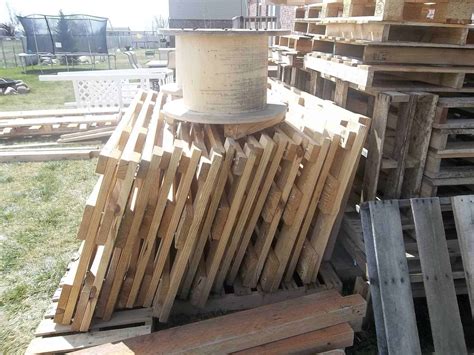
Wooden pallets are often available for free from local businesses, making them an incredibly budget-friendly option. They create a sturdy, rustic barrier that can deter larger animals like deer (if stacked) and provide a solid visual block.
Materials:
- Used wooden pallets (ensure they are heat-treated, marked “HT,” not chemically treated “MB”)
- Strong posts (if not using pallets as posts)
- Heavy-duty screws, nails, or carriage bolts
- Post-hole digger, drill, hammer
Construction:
- Determine the height needed. For deer, you might stack pallets or build a frame to raise them.
- Install sturdy corner and line posts. Alternatively, use pallets themselves as posts by burying part of them or bracing them.
- Stand the pallets upright and attach them securely to each other and to any supporting posts using screws, nails, or bolts.
- For additional protection against small animals, consider attaching chicken wire or hardware cloth to the inside base of the pallet fence.
3. PVC Pipe and Netting Structure
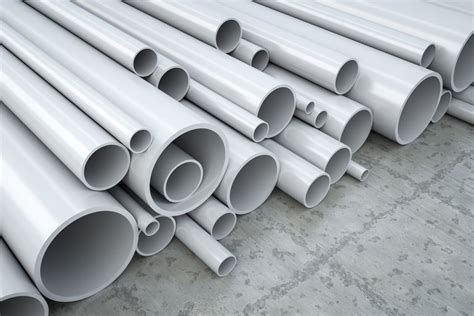
This lightweight, customizable, and rust-proof option is excellent for keeping out birds, rabbits, and even some deer if built tall enough. PVC frames are easy to assemble and disassemble, making them ideal for temporary or seasonal garden protection.
Materials:
- PVC pipes (various diameters, e.g., 1/2 or 3/4 inch)
- PVC connectors (elbows, tees, crosses)
- Garden netting or bird netting (choose appropriate mesh size)
- PVC cement (optional, for permanent joints)
- Zip ties or string
- Rebar or metal stakes (to anchor frame)
Construction:
- Design a frame that suits your garden’s dimensions, planning for vertical supports and horizontal crossbars.
- Cut PVC pipes to your desired lengths using a hacksaw or PVC cutter.
- Assemble the frame using PVC connectors. You can use PVC cement for a permanent structure or leave it uncemented for easy disassembly.
- Drive rebar or metal stakes into the ground at the corners and along the sides, then slip the PVC frame legs over them for stability.
- Drape and secure the netting over the PVC frame using zip ties or string, ensuring no gaps are left open. Bury the bottom edge of the netting for ground pests.
4. Flexible Electric Netting (Low-Voltage)
While often a slightly higher initial investment, low-voltage electric netting is incredibly effective for persistent pests like deer, raccoons, and even bears. It provides a humane deterrent through a mild, memorable shock.
Materials:
- Portable electric fence netting kit (includes posts, net, and energizer)
- Grounding rod
- Battery or solar panel (for energizer)
Construction:
- Unroll the netting around your garden, placing the integrated posts as directed.
- Install the grounding rod in a moist area of the soil.
- Connect the energizer to the netting, the grounding rod, and your power source (battery or solar panel).
- Ensure the fence is clear of vegetation that could short it out.
Enhancing Fence Effectiveness and Durability
- Bury the Base: For virtually any fence type, burying the bottom 6-12 inches of the fence material (or bending it outward in an L-shape underground) is crucial to deter burrowing animals like rabbits, groundhogs, and voles.
- Double Fencing: For highly persistent deer, consider two parallel fences spaced about 3-4 feet apart. Deer often misjudge the jump, making two shorter fences more effective than one very tall one.
- Regular Inspection: Periodically check your fence for damage, loose fastenings, or areas where pests might find a weakness. Prompt repairs prevent larger breaches.
- Material Longevity: Treat wooden posts with non-toxic preservatives or choose naturally rot-resistant wood. Metal posts offer greater durability in wet climates.
Conclusion
Protecting your garden from pests doesn’t have to be an expensive or complicated endeavor. By strategically choosing from these sturdy, budget-friendly DIY fence ideas, you can create an effective barrier that safeguards your crops and ensures a bountiful harvest. Whether you opt for the simplicity of chicken wire, the rustic charm of pallets, the flexibility of PVC, or the reliable deterrent of electric netting, a little ingenuity goes a long way in enjoying your garden’s full potential.