What’s the best DIY design for a sturdy, long-lasting compost bin using reclaimed materials?

Embrace Sustainable Composting with Reclaimed Materials
Creating your own compost bin is a rewarding DIY project that not only reduces household waste but also enriches your garden soil. When you opt for reclaimed materials, you elevate this endeavor to a new level of sustainability, significantly cutting down on costs and environmental impact. The quest for the “best” design often boils down to balancing durability, functionality, and the materials readily available to you. This article will guide you through designing and building a sturdy, long-lasting compost bin primarily from upcycled resources.
Why Choose Reclaimed Materials for Your Compost Bin?
The allure of reclaimed materials extends beyond mere cost savings. By repurposing items like old pallets, fence posts, or scrap lumber, you divert waste from landfills, giving these materials a second life. This approach aligns perfectly with the ethos of composting itself – transforming waste into valuable resources. Furthermore, many reclaimed materials, especially certain types of wood, can be surprisingly robust and durable, ideal for withstanding the elements and the rigors of decomposition.
Key Design Principles for a Durable Compost Bin
Before diving into specific designs, understanding the core principles that contribute to a compost bin’s longevity and efficiency is crucial:
- Sturdiness: The bin must withstand the weight of decomposing organic matter, frequent turning, and various weather conditions.
- Airflow: Good aeration is vital for aerobic decomposition, preventing odors and speeding up the composting process.
- Access: Easy access for adding new materials, turning the pile, and harvesting finished compost is essential.
- Material Durability: Choose reclaimed materials that are naturally resistant to rot and pests, or those that can be treated safely.
- Size: A volume of at least 3x3x3 feet (1 cubic yard) is often recommended for efficient hot composting, but smaller bins can work for slower processes.
The Pallet Compost Bin: A Top Contender for Durability and Ease
When considering reclaimed materials for a sturdy, long-lasting compost bin, wooden pallets consistently emerge as the top choice. They are abundant, often free, and inherently designed to be robust. Their slatted structure naturally provides excellent ventilation, and their standardized size makes construction straightforward.

Materials and Tools Needed:
- 4-6 wooden pallets: Heat-treated (HT) pallets are preferred over chemically treated (MB – methyl bromide) for gardening projects. Look for the “HT” stamp.
- Heavy-duty zip ties, baling wire, or hinges: For connecting the pallets.
- Tools: Work gloves, a utility knife (for zip ties), wire cutters (for wire), drill and screws (for hinges).
- Optional: Chicken wire or hardware cloth (for smaller gaps), tarp or scrap plywood (for a lid).
Construction Steps for a Basic 3-Bin Pallet System:
A multi-bin system is highly recommended for continuous composting, allowing you to have one bin “cooking,” one for new additions, and one for curing finished compost.
Step 1: Prepare Your Pallets
Inspect your pallets. Remove any broken boards or protruding nails. If desired, you can lightly sand rough edges, but it’s not strictly necessary for functionality. Ensure all pallets are roughly the same size for easier assembly.
Step 2: Assemble the First Bin
Stand three pallets upright to form a ‘U’ shape. The front will remain open initially. Secure the corners where the pallets meet using heavy-duty zip ties, baling wire, or by screwing hinges to the adjoining edges. Make sure the connections are tight and stable.
Step 3: Expand to a 3-Bin System
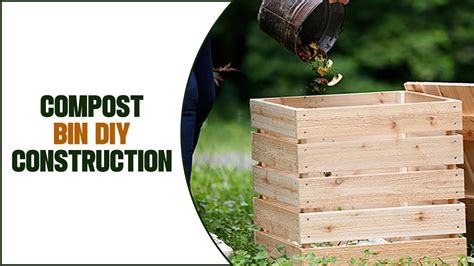
Place a fourth pallet parallel to the first interior pallet, creating the second ‘U’ shape. Connect it securely to the shared middle pallet. Repeat this process with a fifth pallet to form the third bin. You now have three adjoining bins sharing common walls. For the front, you can leave it open, or attach a sixth pallet with hinges on one side for easy access, or simply use a removable pallet held in place with hooks or latches.
Step 4: Reinforce and Refine
For added stability, especially if using wire or zip ties, you might want to drive wooden stakes into the ground next to the outer corners of the bins and secure the pallets to them. If you have concerns about smaller critters entering or compost falling through wider gaps, line the interior with chicken wire or hardware cloth, stapling it firmly to the pallets.
Other Reclaimed Materials for Compost Bins
While pallets are often superior, other reclaimed materials can also be fashioned into sturdy compost bins:
- Concrete Blocks: Stacked without mortar, they offer excellent durability and thermal mass, but can be heavy to move and may lack sufficient airflow unless carefully spaced.
- Corrugated Metal Sheets: Often found from old roofing or siding, these can create strong walls. Combine them with reclaimed wooden posts for a frame. Ensure edges are not sharp.
- Old Tires: While incredibly durable, stacking tires can limit airflow and make turning difficult. They are better suited for specific ‘tire tower’ composting methods rather than traditional bins.
- Wire Fencing/Hardware Cloth: If you have ample sturdy wire fencing or hardware cloth, you can create cylindrical or rectangular bins supported by strong reclaimed wooden posts.

Maintaining Your Reclaimed Compost Bin for Longevity
Even the best design needs a little care to last. Regularly check the connections (zip ties, wires, hinges) for wear and tear. If using wood, consider applying a non-toxic, eco-friendly wood preservative or sealant every few years to prolong its life, especially if it’s not a naturally rot-resistant species. Keep the area around the bin clear to prevent moisture buildup that can accelerate wood decay. By periodically inspecting and making minor repairs, your DIY reclaimed compost bin can serve your garden for many years.
Conclusion: Build a Sustainable Future, One Bin at a Time
Building a compost bin from reclaimed materials is a powerful statement of sustainability and self-reliance. The pallet design stands out for its balance of cost-effectiveness, ease of construction, and excellent functionality. By carefully choosing your materials, adhering to sound design principles, and performing basic maintenance, you can create a sturdy, long-lasting composting solution that benefits both your garden and the planet. Happy composting!