

What’s the best DIY lumber for a rot-resistant raised garden bed for organic veggies?

Creating a raised garden bed is an excellent way to boost your gardening success, offering benefits like improved drainage, better soil control, and easier access. However, when those beds are destined for organic vegetables, the choice of construction material becomes paramount. You need lumber that stands up to constant moisture and soil contact without leaching harmful chemicals into your precious produce. So, what’s the best DIY lumber for a rot-resistant raised garden bed that keeps your organic veggies truly organic?
Why Rot Resistance is Non-Negotiable for Organic Beds
Lumber in constant contact with soil and moisture is an invitation for rot. For a raised bed, especially one intended for years of use, using untreated or unsuitable wood means rebuilding or replacing it every few seasons. The “organic” stipulation further narrows your choices, as many conventional rot-resistant woods rely on chemical treatments that are incompatible with organic growing principles. The goal is a durable bed made from naturally resilient materials.
Lumber to Strictly Avoid for Organic Garden Beds
The most important rule for organic raised beds is to steer clear of pressure-treated lumber. While highly rot-resistant, modern pressure-treated wood uses Alkaline Copper Quaternary (ACQ), Copper Azole (CA), or Micronized Copper Quaternary (MCQ) preservatives. While manufacturers state these are safe for garden beds, many organic gardeners prefer not to risk any chemical leaching into their soil, especially for root vegetables. It’s best practice to avoid them entirely to maintain strict organic integrity.
Similarly, untreated softwoods like pine, spruce, or fir (except for specific heartwood sections) will rot rapidly, often within 3-5 years, making them a poor long-term investment for a raised bed, regardless of organic status.
Top DIY Lumber Choices for Organic Raised Beds
1. Cedar (Western Red & Eastern Red)
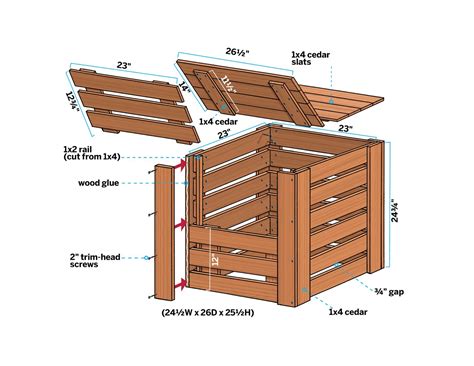
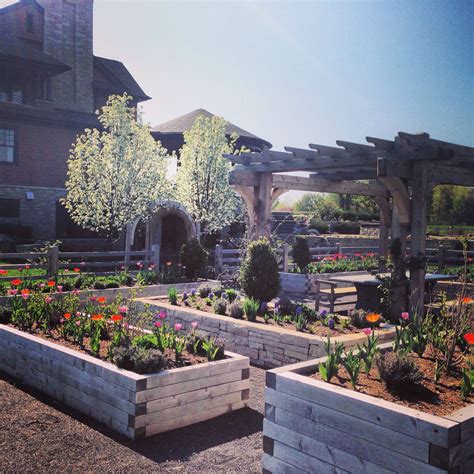
Cedar is hands down one of the most popular and recommended choices for organic raised beds. Both Western Red Cedar and Eastern Red Cedar possess natural oils and compounds that make them highly resistant to rot, decay, and insect infestation. Western Red Cedar is generally softer and easier to work with, while Eastern Red Cedar (also known as aromatic cedar) is denser and even more robust, though it can be more challenging to find in large dimensions. Cedar weathers beautifully, takes screws and nails well, and lasts typically 10-20 years or more in ground contact.
2. Redwood
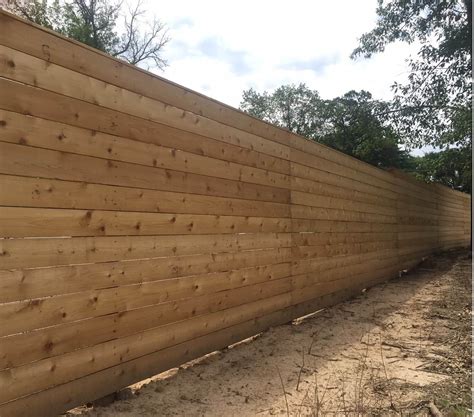
Much like cedar, redwood is famed for its exceptional natural resistance to rot and insects, thanks to its unique heartwood properties. It’s incredibly durable and aesthetically pleasing. However, redwood is often more expensive and less sustainably harvested or readily available outside of its native regions (primarily California), which can make it a less practical option for many DIYers.
3. Black Locust
Often considered the most rot-resistant North American hardwood, black locust can last 25+ years in ground contact, making it an incredibly durable choice. It’s naturally impervious to rot and insects due to its high tannin content. The downsides are that it’s extremely hard, making it difficult to cut and drill, and it’s not as widely available in lumberyards as cedar or redwood. You might need to source it from specialty sawmills.

4. Cypress
Cypress, particularly bald cypress heartwood, offers good to excellent resistance to rot and insects. It contains cypressene, a natural preservative oil. Its availability varies by region, being more common in the Southeastern US. While not quite as rot-resistant as cedar or redwood, it’s a solid, more affordable alternative in areas where it’s plentiful.
5. Other Considerations: Douglas Fir & Larch (Heartwood)
While not as naturally rot-resistant as the top contenders, the heartwood of species like Douglas Fir and Larch can offer moderate resistance, especially if treated with non-toxic sealants. They are more widely available and generally less expensive. If you choose these, focus on selecting boards with a high percentage of heartwood, as the sapwood will rot quickly.
Maximizing the Lifespan of Your Organic Raised Bed
Even with the best rot-resistant lumber, you can take steps to extend the life of your raised bed:
- Use a Liner: Lining the inside of your bed with a heavy-duty, food-grade pond liner or breathable landscape fabric can create a barrier between the soil and the wood, significantly reducing moisture exposure. Ensure good drainage by puncturing the bottom of the liner.
- Elevate Boards: If possible, elevate the bottom boards slightly off the ground using pavers or gravel to prevent direct ground contact, which is where rot often begins.
- Proper Drainage: Ensure your raised bed has excellent drainage to prevent standing water from saturating the wood.
- Seal Exterior (Optional): While not strictly necessary for naturally rot-resistant woods, you could apply an exterior-grade, food-safe sealant (like tung oil or linseed oil) to the outside of the bed to further protect it from weathering, though this adds maintenance.
Conclusion: Making Your Best Choice
For organic vegetable raised beds, prioritizing natural rot resistance and food safety is key. Cedar stands out as the most balanced option, offering excellent durability, workability, and availability. Redwood and Black Locust are superior in rot resistance but come with higher costs or less availability. Cypress provides a good regional alternative. By choosing wisely and implementing simple preservation techniques, you can build a beautiful, long-lasting, and truly organic raised garden bed that will serve your gardening ambitions for many seasons to come.