What’s the best DIY method for preserving garden tomatoes without electricity?

Embracing Off-Grid Tomato Preservation
As the summer sun ripens your garden tomatoes to perfection, the thought of preserving their vibrant flavor for colder months often turns to refrigeration or freezing. However, what if electricity isn’t an option, or you simply wish to embrace more self-sufficient, traditional preservation methods? Fortunately, a wealth of DIY techniques allows you to capture the essence of your harvest without a single watt of power.
Sun-Drying: The Quintessential Electricity-Free Method
Perhaps the most ancient and truly electricity-free method for preserving tomatoes is sun-drying. This technique concentrates their flavor, turning juicy ripe tomatoes into intensely savory, chewy delights perfect for snacking, sauces, or rehydrating. All you need is ample sunshine, warm temperatures (ideally above 85°F/30°C), and good air circulation.
How to Sun-Dry Tomatoes:
- Preparation: Choose firm, ripe tomatoes. Wash them thoroughly and slice them ¼ to ½ inch thick, or halve smaller varieties like cherry tomatoes. For larger tomatoes, you might want to scoop out some of the seeds and pulp to speed drying.
- Salting (Optional but Recommended): Lightly sprinkle salt on the cut surfaces. This draws out moisture and helps inhibit mold growth.
- Arrangement: Place tomato slices in a single layer on screens, cooling racks, or clean baking sheets lined with parchment paper. Ensure good airflow beneath them.
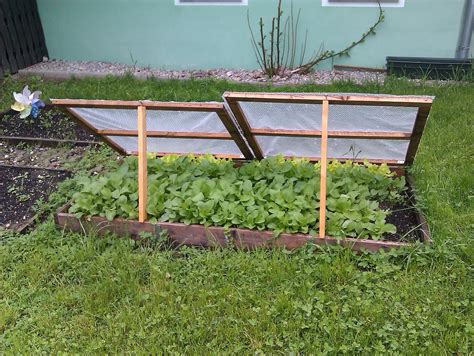
- Drying: Place the trays in a sunny, well-ventilated spot, ideally elevated to deter pests. Cover with cheesecloth or fine mesh to protect from insects and birds. Bring them indoors at night to prevent reabsorbing moisture from dew.
- Monitoring: Flip the tomatoes periodically to ensure even drying. Drying time can range from 3 to 10 days, depending on humidity, temperature, and tomato thickness. They are ready when they are leathery and pliable, with no visible moisture, but not brittle.
Storing Sun-Dried Tomatoes:
Once completely dry, sun-dried tomatoes can be stored in airtight containers in a cool, dark place for up to a year. For longer preservation and added flavor, you can pack them into sterilized jars with olive oil, herbs, and garlic. Ensure they are fully submerged in oil before sealing. While oil-packed tomatoes don’t require refrigeration for a short period, for extended storage and safety against botulism, keeping them in a cool cellar or even in a non-electric cooler with ice rotation is advisable.
Water Bath Canning: Heat without Constant Electricity
While canning requires a heat source, it doesn’t necessarily need electricity for the process itself, nor for subsequent storage. A large pot on a gas stove, wood-burning stove, or even an outdoor propane burner can suffice. Water bath canning is ideal for high-acid foods like tomatoes (especially when acidified with lemon juice or citric acid). You can can whole peeled tomatoes, crushed tomatoes, or even tomato sauce.
Basic Steps for Water Bath Canning Tomatoes:
- Preparation: Wash and prepare tomatoes (peel and core, crush, or dice). Pack into hot, sterilized jars, leaving appropriate headspace. Add lemon juice or citric acid to ensure adequate acidity.
- Filling & Venting: Cover tomatoes with boiling water or juice, leaving headspace. Remove air bubbles.
- Sealing: Wipe jar rims clean, place hot lids, and screw on bands finger-tight.
- Processing: Place jars in a large canner filled with hot water, ensuring jars are covered by at least 1 inch of water. Bring to a rolling boil and process for the recommended time (which varies by altitude and tomato product).
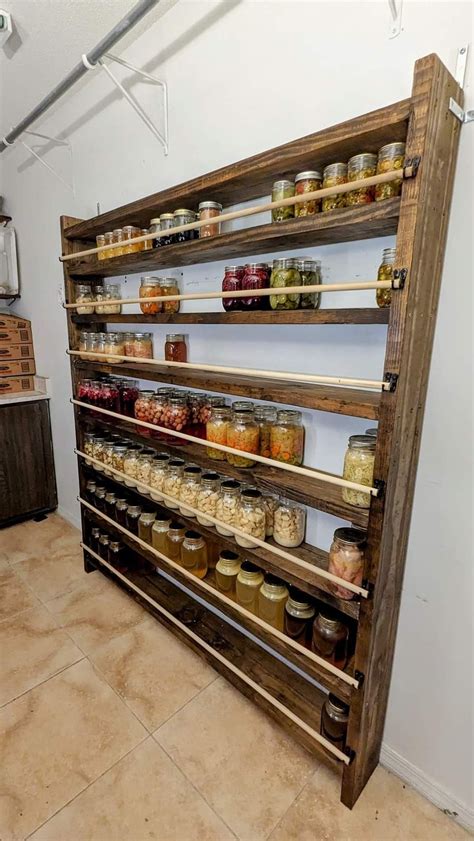
- Cooling & Storing: Remove jars and let them cool undisturbed for 12-24 hours. Check seals. Store properly sealed jars in a cool, dark place.

Lacto-Fermentation: A Living Preservation Method
Fermentation is another fantastic electricity-free method that not only preserves but also enhances the nutritional value of your tomatoes. By creating an anaerobic environment with salt and water (brine), beneficial bacteria thrive, preserving the tomatoes and creating unique tangy flavors. This is often used for creating fermented salsa, tomato paste, or even whole cherry tomatoes.
To ferment, simply chop or halve your tomatoes, add salt (typically 2-3% of the vegetable’s weight), and pack them into a clean jar. Submerge them under their own juices or a brine, ensuring no exposure to air. Use a fermentation weight or a clean, heavy stone to keep them submerged. Seal the jar with an airlock lid or burp daily. Fermentation takes several days to a few weeks, after which the fermented tomatoes can be stored in a cool cellar for several months.
Tomato Paste and Powder: Concentrated Flavor
For an intensely concentrated tomato flavor, consider making tomato paste or even tomato powder. Tomato paste can be made by slowly reducing tomato purée over a fire or stovetop until it’s very thick. Once reduced, it can be preserved by oil-packing (similar to sun-dried tomatoes) or by further drying it into a powder.
Tomato powder is made by thoroughly drying tomato slices (using sun-drying or a dehydrator if available) and then grinding them into a fine powder. This powder is extremely shelf-stable and can be used to thicken sauces, add tomato flavor to dishes, or rehydrate into a paste. Store in airtight containers in a cool, dark place.

Conclusion: Savoring Your Harvest Sustainably
Preserving garden tomatoes without electricity is a rewarding endeavor that connects you with time-honored traditions and builds valuable self-sufficiency skills. Whether you choose the golden simplicity of sun-drying, the reliable method of water bath canning, or the probiotic benefits of fermentation, each technique offers a delicious way to enjoy your harvest long after the growing season has ended. Embrace these methods, and your pantry will be stocked with homemade goodness, ready to brighten any meal.