What’s the best DIY method to build a cheap, effective chicken coop for beginners?

Building Your First Chicken Coop on a Budget
Embarking on the journey of raising chickens can be incredibly rewarding, and building their home yourself adds an extra layer of satisfaction. For beginners, the thought of constructing a chicken coop from scratch might seem daunting, but it doesn’t have to be expensive or complicated. The key is focusing on functionality, safety, and utilizing readily available, affordable materials.
An effective chicken coop provides shelter from the elements, protection from predators, adequate ventilation, and comfortable spaces for roosting and laying eggs. For beginners, simplicity is paramount. Avoid overly complex designs and prioritize the essential needs of your flock.

Choosing Your Materials Wisely
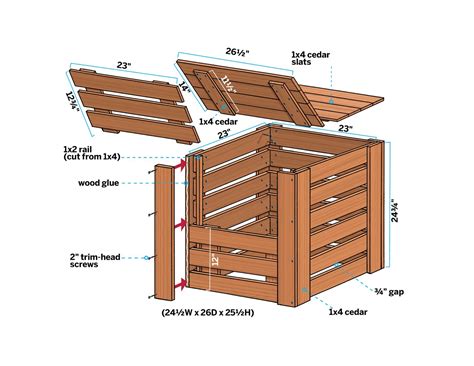
The most significant factor in keeping your coop project cheap is smart material sourcing. Look beyond brand-new lumber and consider reclaimed or repurposed items. Pallets are a goldmine for free wood, often available from local businesses or construction sites. Just ensure they haven’t been treated with harmful chemicals (look for ‘HT’ for heat-treated, avoid ‘MB’ for methyl bromide).
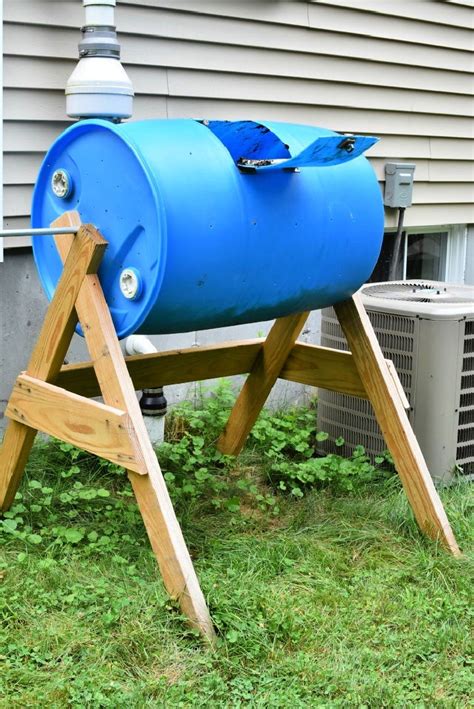
Other cost-effective materials include old fence posts, scrap plywood, corrugated metal sheets for roofing, or even large plastic barrels (for smaller coops). Hardware cloth (not chicken wire, which isn’t predator-proof) is crucial for ventilation and security and may be one of your only ‘new’ purchases. Don’t forget hinges, latches, and screws, which can sometimes be found cheaply at salvage stores or hardware clear-out bins.

Simple & Effective Coop Designs for Beginners
For a beginner on a budget, simple designs are best. An ‘A-frame’ coop is easy to build and requires less material, though it might offer less interior space. A basic ‘shed-style’ coop, resembling a small garden shed, offers more interior room and is also relatively straightforward. Another excellent option is a ‘pallet coop,’ where the pallets themselves form the main structural components.
Focus on a design that offers a clear floor plan for cleaning, elevated roosting bars for the chickens to sleep on, and easily accessible nesting boxes for egg collection. A coop that’s roughly 2-3 square feet per bird inside the coop, plus an attached run of 8-10 square feet per bird, is a good starting point for space planning.
Step-by-Step: Constructing Your Budget Coop
1. Planning and Site Selection
Sketch your design, including dimensions. Choose a level spot in your yard that offers some shade and good drainage. Orient the coop to maximize natural light and airflow, considering prevailing winds.
2. Building the Base Frame
Using your reclaimed wood or pallets, construct a sturdy rectangular base. This will elevate the coop off the ground, preventing moisture issues and making it harder for predators to dig underneath. Ensure it’s square and level.
3. Walls, Roof, and Interior Elements
Erect the walls, remembering to frame out openings for a door, windows, and ventilation. Attach your roof structure, ensuring it has a slight slope for water runoff. Inside, install roosting bars (a simple wooden dowel or branch works) and nest boxes (old buckets, plastic bins, or wooden crates can be repurposed).

4. Ventilation and Predator Proofing
Good ventilation is critical for chicken health. Create openings near the top of the coop and cover them with hardware cloth (1/2-inch or 1/4-inch mesh) to prevent predators from entering while allowing air to circulate. Predator-proof all windows, doors, and any other openings with secure latches and hardware cloth. Bury a perimeter of hardware cloth around the run to deter digging predators.
5. Finishing Touches and Safety
Add a ramp for the chickens to access the coop, and ensure all interior surfaces are smooth to prevent injuries. Paint or seal exterior wood for longevity, using non-toxic paints if chickens might peck at them. Finally, inspect your coop thoroughly for any gaps or weaknesses a predator could exploit.
Budgeting and Cost-Saving Tips
To keep costs minimal, draw inspiration from free online coop plans. Many websites offer detailed schematics for simple, effective coops made from pallets or other scrap materials. Join local online community groups (like Facebook Marketplace or Freecycle) to look for free building materials, even old dog houses or playhouses that can be converted. Don’t be afraid to get creative with common household items for feeders, waterers, and nesting boxes.

Building a cheap and effective chicken coop as a beginner is an achievable goal with careful planning and resourcefulness. By prioritizing the essential needs of your chickens and utilizing readily available materials, you can provide a safe and comfortable home for your flock without breaking the bank. Enjoy the process, and soon you’ll be collecting fresh eggs from your very own DIY coop!