
What’s the best DIY method to build a rodent-proof raised garden bed?

Why Rodent-Proofing Your Raised Garden Bed Matters
Raised garden beds offer numerous benefits, from better soil control to easier access and improved drainage. However, these elevated havens can also become prime real estate for various pests, especially rodents like voles, gophers, mice, and rats. These unwelcome visitors can decimate your cherished crops overnight, chewing through roots, stems, and fruits, leading to significant losses and immense frustration. Investing a little extra effort during construction to make your bed truly rodent-proof is a wise decision that will save you heartache and ensure a bountiful harvest in the long run.

The Best DIY Method: Hardware Cloth Foundation
The undisputed champion for DIY rodent-proofing a raised garden bed is hardware cloth, specifically 1/4-inch or 1/2-inch galvanized steel mesh. Unlike flimsy chicken wire, which has openings large enough for smaller rodents to squeeze through and can easily be chewed through, hardware cloth is robust, has small enough openings to block almost all garden pests, and is durable enough to withstand years of being buried in soil without rusting. This material forms an impenetrable barrier at the bottom and sides of your raised bed.
Key Materials You’ll Need
- Wood for the Frame: Untreated cedar, redwood, or juniper are naturally rot-resistant and excellent choices. Pine or fir can work if treated with a non-toxic, food-safe sealer to prolong their life.
- Hardware Cloth: 1/4-inch or 1/2-inch mesh, galvanized steel. Ensure you purchase enough to cover the entire bottom of your bed and extend 6-12 inches up the interior sides.
- Heavy-Duty Staple Gun and Staples: Essential for securely fastening the hardware cloth to the wooden frame.
- Deck Screws or Carriage Bolts: For assembling the wooden frame, choose weather-resistant options.
- Drill: For pilot holes and driving screws or bolts.
- Tin Snips or Angle Grinder: For cutting the hardware cloth. Safety gloves are recommended when handling hardware cloth.
- Measuring Tape, Pencil, Level, and Safety Glasses.

Step-by-Step Rodent-Proof Raised Bed Construction
1. Design and Cut Your Wood
Determine the desired dimensions for your raised bed. Common sizes like 4×8 feet or 4×4 feet are popular for ease of access. Cut your lumber to length for the sides and ends according to your design. For larger beds, consider adding vertical corner posts or cross braces for enhanced stability and to prevent bowing.
2. Assemble the Frame
Using your drill and deck screws (or carriage bolts for a stronger, more permanent construction), assemble the wooden frame. Ensure all corners are square and the frame is level. If you’re building a very tall bed, you might consider stacking multiple layers of lumber, securing each layer to the one below it.
3. Install the Hardware Cloth Base
This is the most critical step for rodent proofing. Lay your assembled frame on the ground where you intend to place the bed (or on a large, flat, clean surface). Unroll the hardware cloth and carefully lay it across the entire bottom opening of the frame. Ensure there’s enough overhang to extend up the *inside* walls of the bed by at least 6 to 12 inches. Cut the hardware cloth to size, leaving this generous overhang.
Using your heavy-duty staple gun, securely fasten the hardware cloth to the *bottom edge* of the wooden frame, ensuring every inch is stapled down. Overlap any seams in the hardware cloth by at least 2 inches and staple them together rigorously. The goal is to create an impenetrable mesh floor with no gaps.
4. Secure the Sides and Fill
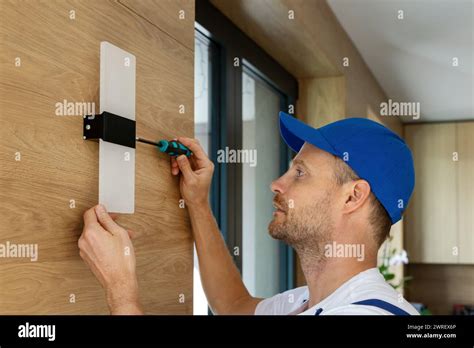
Once the base is securely stapled, stand the raised bed in its final location. Gently push the excess hardware cloth from the bottom up along the *interior* sides of the wooden frame. Staple this hardware cloth firmly to the inside walls of the bed, again ensuring no gaps exist. You can add a decorative trim piece along the top interior edge of the bed to hide the staples and prevent accidental scrapes.
With the rodent barrier fully installed, you can now begin filling your raised bed with a high-quality soil mix. Ensure the soil is deep enough for the plants you intend to grow, typically 8-12 inches for most vegetables.

Maintenance and Additional Tips
- Site Selection: Place your bed away from structures, fences, or overhanging trees that rodents might use as bridges to access the bed from above.
- Regular Inspection: Periodically check the hardware cloth, especially around the edges and corners, for any damage or potential breaches that might occur over time.
- Keep it Clean: Remove fallen fruits or vegetables promptly, as they can attract pests. Keep the area around the bed clear of debris.
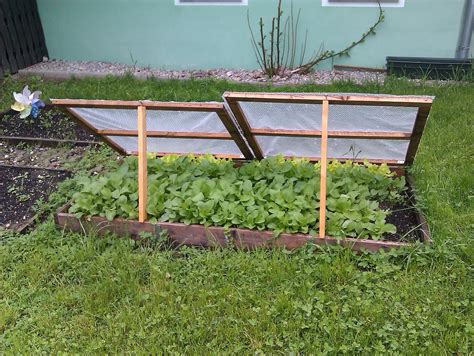
- Consider a Top Barrier: For flying pests, birds, or even climbing rodents, you might add a removable frame with bird netting or finer mesh over the top of your bed.
Enjoy Your Pest-Free Harvest!
Building a rodent-proof raised garden bed with hardware cloth is a worthwhile DIY project that significantly protects your gardening efforts. While it requires a bit more upfront work, the peace of mind and the satisfaction of a thriving, pest-free garden are priceless. With careful construction and a little ongoing maintenance, you can enjoy abundant harvests without the frustration of discovering your precious plants have been nibbled away by unwanted visitors. Happy gardening!