





What’s the best DIY method to build sturdy, predator-proof chicken coop doors?

Why Sturdy, Predator-Proof Doors Are Essential
For any backyard chicken keeper, the safety and security of their flock are paramount. A flimsy or poorly designed coop door is an open invitation for predators, turning your coop into an all-you-can-eat buffet. From sly raccoons and cunning foxes to agile weasels and even determined neighborhood dogs, various threats can compromise your chickens’ well-being. Building a robust, predator-proof door isn’t just about peace of mind; it’s a critical investment in the health and longevity of your flock. This guide will walk you through DIY methods to construct doors that stand strong against even the most persistent intruders.

Understanding Predator Tactics and Material Choices
Before you begin building, it’s crucial to understand how common predators attempt to breach a coop. Raccoons are known for their dexterity and ability to manipulate latches. Foxes and coyotes might try to chew through weak materials or dig under gaps. Weasels can squeeze through incredibly small openings. Your door’s design and materials must counter these tactics.
Recommended Materials:
- Wood: Use pressure-treated lumber for the frame (2x2s or 2x4s) and at least 1/2-inch exterior-grade plywood for the main door panel. Avoid thinner plywood or particle board, which can be chewed through.
- Hardware Cloth: This is a must for any ventilation openings or if you’re building a screen-style door. Choose 1/2-inch or 1/4-inch galvanized hardware cloth, which is significantly stronger than chicken wire and resistant to chewing.
- Hinges: Heavy-duty, exterior-grade hinges are vital. Consider strap hinges or T-hinges for added strength, secured with carriage bolts (nut on the inside) or long screws.
- Latches: This is where many DIY doors fail. A simple hook-and-eye latch is insufficient. Opt for barrel bolts, spring-loaded gate latches, or multiple-point locking mechanisms. Crucially, ensure the latch cannot be easily lifted or manipulated by nimble paws.
- Screws/Bolts: Use galvanized deck screws or exterior-grade wood screws. For attaching hinges and latches, carriage bolts with washers and nuts on the inside are the most secure option.
- Metal Sheeting (Optional): For extra protection, consider adding a thin layer of sheet metal or aluminum flashing around the door edges, especially if wood chewing is a concern in your area.
DIY Door Design and Construction Steps
A good predator-proof door is flush-fitting, sturdy, and features secure locking mechanisms. Here’s a step-by-step guide for a robust wooden door:
Step 1: Measure and Frame
- Measure the Opening: Precisely measure the height and width of your coop’s door opening. Subtract about 1/8 to 1/4 inch from each dimension to allow for easy movement without excessive gaps.
- Cut Frame Pieces: Using 2×2 or 2×4 lumber, cut four pieces to form a rectangular frame for your door. Ensure cuts are square.
- Assemble the Frame: Join the frame pieces using strong wood screws (pre-drill to prevent splitting) and wood glue. You can use butt joints reinforced with corner braces or more advanced joinery like half-lap joints for superior strength.

Step 2: Add Plywood Panel and Reinforcement
- Cut Plywood: Cut a piece of 1/2-inch exterior-grade plywood to fit snugly within (or overlap, depending on your design) your door frame.
- Attach Plywood: Secure the plywood to one side of the frame using plenty of galvanized deck screws, spaced every 4-6 inches along the perimeter.
- Add Diagonal Brace (Optional but Recommended): For larger doors, cut a piece of 1×2 or 1×4 lumber diagonally from one top corner of the frame to the opposite bottom corner. Attach it securely to the frame and plywood to prevent sagging over time.
Step 3: Install Hinges Securely
- Position Hinges: Place two heavy-duty hinges (three for very tall doors) on the side of the door that will swing open. Position them about 6 inches from the top and bottom edges.
- Attach to Door: Fasten the hinges to the door frame and plywood using carriage bolts that go all the way through the wood. Secure with washers and nuts on the inside face of the door. If using screws, ensure they are long enough to penetrate well into the frame.
- Attach to Coop Frame: Hold the door in the opening, ensuring an even gap around all sides. Mark the hinge locations on the coop’s door frame. Attach the hinges to the coop frame using carriage bolts (if possible) or heavy-duty screws.
Step 4: Implement Predator-Proof Latching
This is arguably the most critical step. A single latch is often not enough. Consider a two-point system:
- Barrel Bolt or Gate Latch: Install a heavy-duty barrel bolt or a spring-loaded gate latch at a comfortable height. Ensure the bolt extends well into the coop frame when closed.
- Secondary Latch/Hook: Add a secondary latch, such as a carabiner clip through a drilled hole, a hook-and-staple combination that needs to be rotated, or another barrel bolt, either higher up or lower down. The goal is to make it impossible for a single clever predator to open the door.
- Inside Latch (Optional): If you ever need to lock yourself inside the coop for maintenance or predator evasion, a simple barrel bolt on the inside can be useful.
Advanced Predator-Proofing and Maintenance
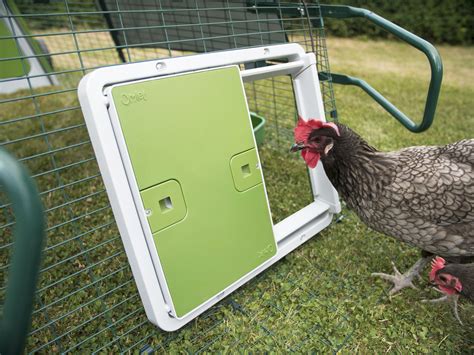
- Automatic Door Openers: For ultimate convenience and daily security, consider installing an automatic chicken coop door opener. These operate on timers or light sensors, ensuring the door is closed at dusk and open at dawn without your intervention. Many models are designed with predator-proof sliding mechanisms.
- Door Sweep/Brush Seal: To prevent small predators like weasels from squeezing under the door, install a durable door sweep or brush seal along the bottom edge.
- Reinforce Gaps: Inspect around the entire door frame. Any gaps larger than 1/2 inch should be sealed with wood trim, caulk, or hardware cloth.
- Regular Inspections: Periodically check your door for wear and tear. Look for loose screws, wobbly hinges, or signs of attempted breaches (chew marks, claw marks). Address any issues immediately.
- Paint/Sealant: Apply exterior-grade paint or sealant to your wooden door to protect it from the elements and prolong its life.
Conclusion
Building a sturdy, predator-proof chicken coop door is a rewarding DIY project that directly contributes to the safety and well-being of your flock. By using robust materials, employing smart design principles, and implementing secure latching mechanisms, you can create a barrier that deters even the most determined predators. Invest the time and effort into building a secure door, and you’ll enjoy the peace of mind knowing your chickens are safe and sound.