



What’s the best DIY method to naturally deter garden pests from edible plants?

Embrace Nature’s Defenses for a Bountiful Harvest
Protecting your edible garden from pesky invaders doesn’t have to involve harsh chemicals. Many gardeners are turning to natural, DIY methods to safeguard their fruits, vegetables, and herbs, ensuring a healthier ecosystem and safer food for their tables. The ‘best’ method often involves a combination of strategies, with prevention being key. Let’s explore some of the most effective natural deterrents.

The Power of Companion Planting
One of the oldest and most effective natural pest control strategies is companion planting. This involves strategically placing different plant species near each other to create a mutually beneficial relationship, often by deterring pests or attracting beneficial insects. It’s a foundational element of organic gardening that works proactively.
Pest-Repelling Companions:
- Marigolds: French marigolds (Tagetes patula) are renowned for repelling nematodes and other soil-borne pests. Their strong scent can also deter whiteflies and other flying insects. Plant them around tomatoes, peppers, and potatoes.
- Nasturtiums: These vibrant flowers act as a ‘trap crop’ for aphids, luring them away from more valuable edibles like brassicas. They also deter squash bugs and cucumber beetles.
- Garlic & Onions: The pungent aroma of alliums deters a wide range of pests, including aphids, slugs, and Japanese beetles. Plant them near roses, carrots, or fruit trees.
- Basil: Known to repel flies and mosquitoes, basil is an excellent companion for tomatoes, improving their flavor and keeping tomato hornworms at bay.
- Mint: While aggressive spreaders (best in pots!), mint repels ants, aphids, and flea beetles.
DIY Pest Deterrent Sprays
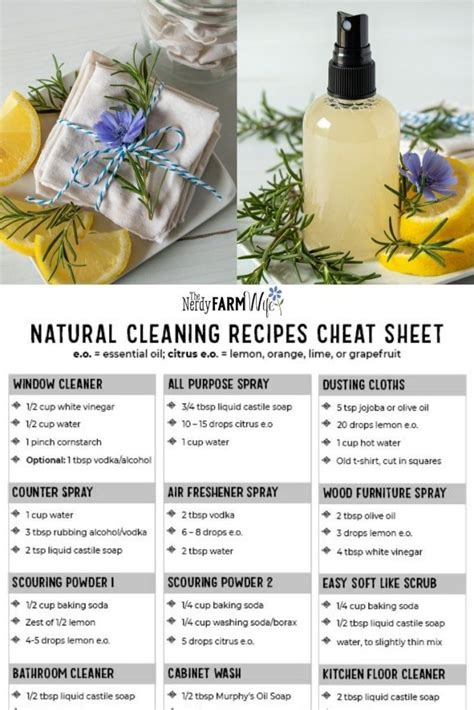
When pests do appear, homemade sprays can offer a targeted, non-toxic solution. These concoctions use common household ingredients to disrupt pests without harming your plants or the environment.
Garlic and Chili Spray:
This potent mixture deters chewing insects and slugs. Blend several cloves of garlic with a tablespoon of cayenne pepper (or a few hot chilies) and a quart of water. Let it sit overnight, then strain and dilute with more water (1 part concentrate to 10 parts water). Add a few drops of mild liquid soap to help it stick. Spray directly onto affected plants, ensuring good coverage, especially on the undersides of leaves.
Dish Soap Spray:
A simple solution for soft-bodied insects like aphids, whiteflies, and spider mites. Mix 1-2 teaspoons of mild liquid dish soap (avoid detergents with degreasers) with a quart of water. Spray directly on pests. The soap disrupts their protective outer layers, causing dehydration.

Physical Barriers and Manual Removal
Sometimes the most straightforward methods are the most effective. Physical barriers and regular inspection can prevent infestations from taking hold.
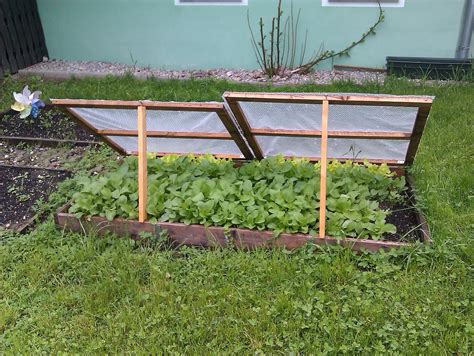
- Row Covers: Lightweight fabric row covers can protect young plants from various flying insects like cabbage moths, squash bugs, and cucumber beetles. Ensure they are securely anchored to prevent pests from crawling underneath.
- Hand-Picking: For larger pests like tomato hornworms, slugs, or potato beetles, good old-fashioned hand-picking is highly effective. Do this in the early morning or evening when pests are most active. Drop them into a bucket of soapy water.
- Sticky Traps: Yellow sticky traps can catch flying insects like whiteflies, fungus gnats, and aphids. While not a complete solution, they can help monitor and reduce populations.
Attracting Beneficial Insects
Not all insects are pests! Many are natural predators of common garden invaders. Creating a habitat that welcomes these beneficial insects is a cornerstone of organic pest management.
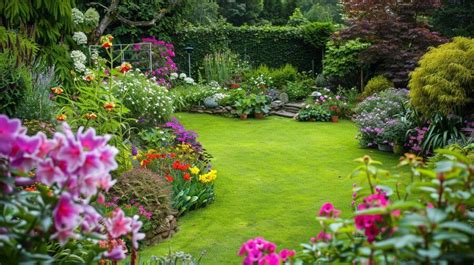
Planting a diversity of flowering plants, especially those with small flowers, provides nectar and pollen for lacewings, ladybugs, parasitic wasps, and hoverflies. Consider adding dill, cilantro, fennel, cosmos, marigolds, and sweet alyssum to your garden beds or borders.

Maintaining a Healthy Garden Ecosystem
The best defense against pests is a healthy, resilient garden. Plants under stress are more susceptible to infestations. Ensure your plants receive adequate water, nutrients, and sunlight. Practice crop rotation to break pest cycles and build healthy soil through composting and mulching.
Regularly inspect your plants for early signs of trouble. Early detection allows for prompt, natural intervention before an infestation becomes severe. By combining these DIY methods—from companion planting to homemade sprays and encouraging beneficial insects—you can create a thriving, chemical-free edible garden that naturally fends off pests, yielding a delicious and healthy harvest.