What’s the best DIY organic pest spray for vegetable gardens?

Embracing Organic Pest Control for a Bountiful Harvest
Cultivating a thriving vegetable garden is incredibly rewarding, but it often comes with the unwelcome challenge of pest infestations. While commercial chemical pesticides offer a quick fix, many gardeners prefer organic methods to ensure their produce remains free from harmful residues and to protect beneficial insects and the environment. The good news is that creating your own effective organic pest spray is not only possible but also surprisingly simple.
Why Choose DIY Organic Pest Sprays?
Opting for a homemade organic pest spray offers numerous advantages. Firstly, it provides peace of mind, knowing exactly what ingredients are being applied to your food. This eliminates concerns about synthetic chemicals and their long-term effects on health and soil quality. Secondly, DIY solutions are often more cost-effective than store-bought organic alternatives, utilizing common household items. Finally, they contribute to a healthier ecosystem by being less harmful to pollinators and other beneficial organisms when used correctly.

Key Ingredients for Effective DIY Sprays
The best DIY organic pest sprays often leverage the natural properties of a few potent ingredients:
- Insecticidal Soap: Not just any soap, but pure castile soap or a mild dish soap (avoid detergents with degreasers or bleach). It works by breaking down the waxy cuticle of soft-bodied insects like aphids, spider mites, and whiteflies, causing dehydration.
- Neem Oil: Derived from the neem tree, this oil is a powerful natural insecticide, fungicide, and miticide. It works as an antifeedant, growth disruptor, and repellent. Neem oil is effective against a wide range of pests, including aphids, whiteflies, mealybugs, and even some chewing insects.
- Garlic and Chili Peppers: These strong-smelling ingredients act as natural repellents due to their pungent compounds. They can deter pests from even landing on plants.
- Essential Oils: Certain essential oils like peppermint, rosemary, and eucalyptus can also act as repellents for specific pests, offering an aromatic barrier.
The All-Purpose Organic Pest Spray: A Step-by-Step Guide
While many recipes exist, a combination of insecticidal soap and neem oil is widely considered one of the most effective broad-spectrum organic pest sprays for vegetable gardens.
Ingredients:
- 1 gallon of water (preferably distilled or rainwater)
- 1-2 tablespoons of pure liquid castile soap or mild, plant-based dish soap
- 1-2 tablespoons of 100% cold-pressed neem oil (emulsified if possible)
- (Optional) 1-2 cloves of minced garlic or a pinch of cayenne pepper for added repellent properties
Instructions:
- Prepare the Soap Solution: In a gallon sprayer or large container, pour the water. Add the liquid soap and stir gently to avoid excessive suds. The soap acts as an emulsifier, helping the oil mix with water.
- Add Neem Oil: Slowly add the neem oil to the soapy water mixture. Neem oil doesn’t mix well with water on its own, so the soap is crucial. Stir vigorously until the oil is fully dispersed. If using garlic or chili, add them now.
- Strain (if necessary): If you added minced garlic or chili, strain the mixture through a fine mesh or cheesecloth to prevent clogging your sprayer nozzle.
- Transfer to Sprayer: Pour the solution into a clean spray bottle or garden sprayer.
- Shake Well Before Each Use: Oil and water can separate, so always shake the sprayer thoroughly before and during application.

Application Tips for Success:
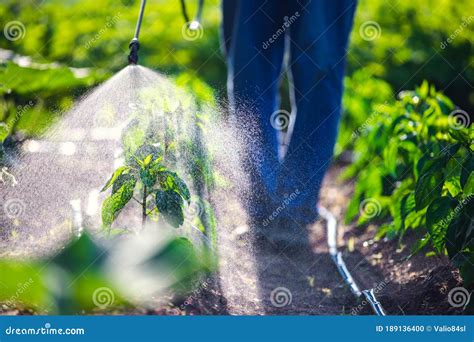
- Timing is Key: Spray in the early morning or late evening when temperatures are cooler and the sun isn’t direct. This prevents leaf scorch and allows the spray to dry without evaporating too quickly, maximizing effectiveness.
- Thorough Coverage: Pests often hide on the undersides of leaves. Ensure you thoroughly coat all plant surfaces, top and bottom, for maximum impact.
- Patch Test First: Always test the spray on a small, inconspicuous part of the plant and wait 24-48 hours to ensure there’s no adverse reaction before spraying the entire plant.
- Consistency: For active infestations, apply every 5-7 days until the pest problem subsides. For prevention, a bi-weekly application can be beneficial.
- Focus on Problem Areas: While broad application is fine, concentrate on areas showing signs of pest activity.
Beyond the Spray: Holistic Pest Management
While DIY sprays are excellent tools, they are most effective as part of a broader organic pest management strategy:
- Companion Planting: Plant herbs and flowers that naturally repel pests or attract beneficial insects (e.g., marigolds, nasturtiums, borage).
- Hand-Picking: For larger pests like tomato hornworms or slugs, manual removal can be highly effective.
- Encourage Beneficial Insects: Provide habitat for ladybugs, lacewings, and predatory wasps, which prey on common garden pests.
- Crop Rotation: Rotate your crops annually to break pest cycles and reduce soil-borne diseases.
- Healthy Soil: Strong, healthy plants grown in rich soil are more resistant to pest attacks.
Safety and Best Practices
Even though these sprays are organic, it’s crucial to handle them responsibly:
- Always wear gloves and eye protection during preparation and application.
- Keep the spray out of reach of children and pets.
- Avoid spraying when plants are flowering to protect pollinators. If you must spray blooming plants, do so in the late evening after pollinators have become inactive.
- Rinse fruits and vegetables thoroughly with water before consumption, especially after recent applications.

Conclusion
The ‘best’ DIY organic pest spray is one that you can easily make, confidently apply, and that effectively tackles the specific pests in your garden. The neem oil and insecticidal soap combination stands out for its broad efficacy and safety profile. By incorporating these homemade solutions with sound gardening practices, you can create a vibrant, healthy vegetable garden that thrives naturally, offering you a truly organic and satisfying harvest.